- The Banana Dilemma Are They Fattening or a Fitness Fuel
- Unpacking the Nutrition Inside a Banana
- How Bananas Affect Hunger and Blood Sugar
- Separating Banana Fact from Weight Loss Fiction
- Smart Banana Pairings and Portion Strategies
- How to Log Bananas in Seconds with PlateBird
- The Verdict Are Bananas Your Weight Loss Ally
If you have heard that bananas are “too sugary” for fat loss, that advice is too simplistic.
A banana is not a cheat meal in yellow packaging. It is a convenient whole food that can fit a weight loss plan very well, depending on how you use it, what you pair it with, and whether you stay aware of your overall intake. That last part matters more than many expect.
The core question is not whether bananas are magically slimming or secretly fattening. The better question is this: are bananas good for weight loss in a way you can repeat consistently? For many people, yes. They are portable, filling for their size, easy to portion, and simple to track.
The Banana Dilemma Are They Fattening or a Fitness Fuel
Bananas get judged for one thing: carbs.
A lot of weight loss advice treats carbs as the villain, so bananas end up on the suspicious list with bread, rice, and anything else that is easy to blame. People see sweetness and assume “bad for fat loss.” They see a fruit that feels substantial and assume it must be too calorie-dense.
That confusion makes sense. Bananas are softer and sweeter than berries. They also feel more like a snack with “real staying power” than watery fruit. So people often wonder if they are crossing some invisible line.
But foods do not cause weight gain because they have a bad reputation. Weight gain comes from regularly eating more energy than your body uses. A banana can fit inside a calorie deficit just as easily as many other snacks. In practice, it often works better than highly processed options because it is naturally portioned and satisfying.
There is another reason bananas spark debate. People do not all eat them the same way. A plain banana eaten quickly on an empty stomach feels different from a banana sliced into Greek yogurt, or one eaten before a workout, or one chosen slightly green instead of fully speckled and very sweet.
Why the advice feels so contradictory
Three ideas usually get mixed together:
- Sugar content: People hear “fruit sugar” and stop thinking.
- Satiety: Others notice bananas keep them full better than crackers or candy.
- Blood sugar response: Ripeness and meal context can change how a banana feels in your body.
That is why blanket rules fail.
A banana is not automatically a weight loss food or a weight gain food. It is a tool. How you use the tool matters.
The useful answer is more practical than dramatic. Bananas can support weight loss when they help you stay full, replace less helpful snacks, and fit your overall intake. They become even more useful when you stop guessing and start tracking them in a way that takes almost no effort.
Unpacking the Nutrition Inside a Banana
A banana works well for weight loss because it gives you enough substance to matter, without being a calorie bomb.
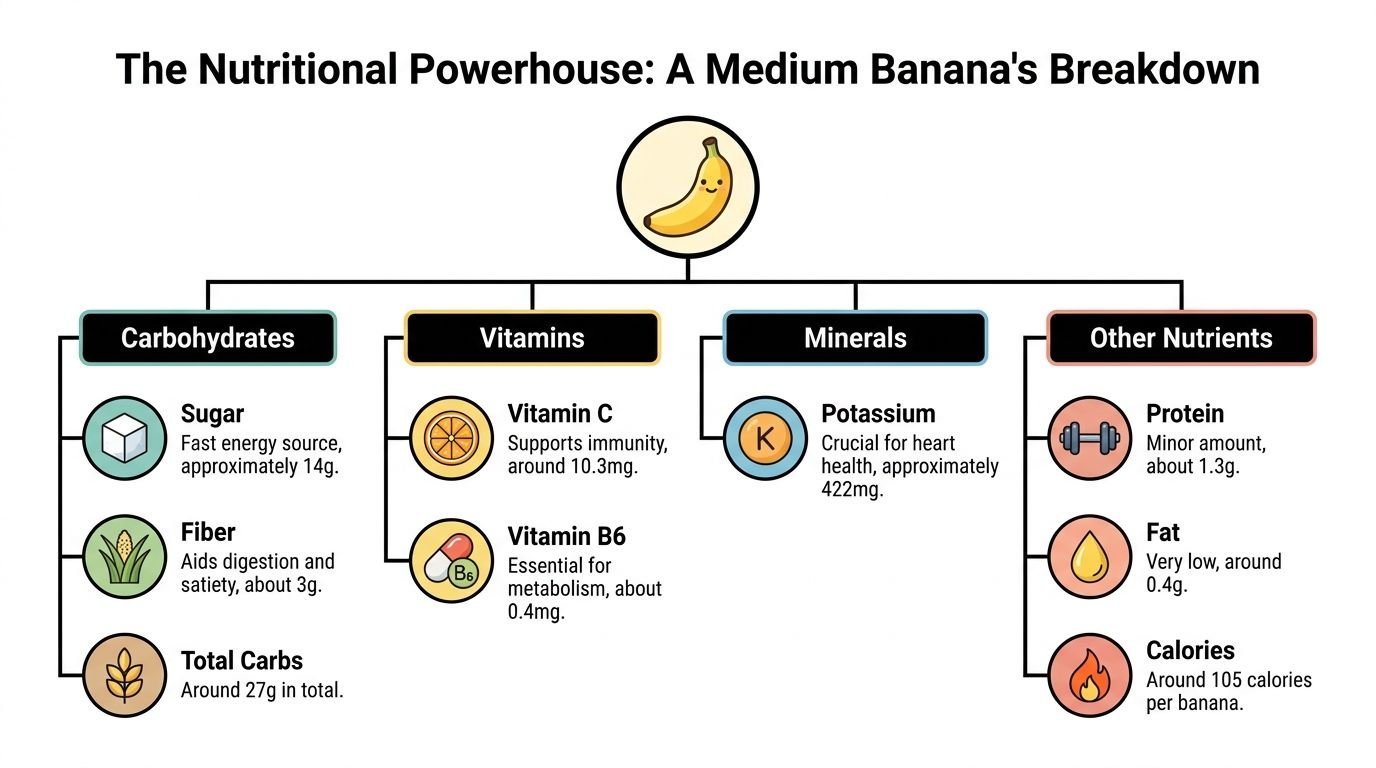
A medium banana contains approximately 105 calories, 27 grams of carbohydrates, and 3.1 grams of dietary fiber, about 11% of the daily value, according to Noom’s banana nutrition breakdown. It also provides nutrients such as potassium and vitamin B6.
Why these numbers matter for fat loss
Calories tell you the cost.
Fiber helps tell you the value.
That is where bananas earn their place. Fiber acts like the part of the snack that slows everything down and helps you feel more settled after eating. If sugar is the gas pedal, fiber is the brake. It helps stop food from feeling like it disappeared the second you ate it.
A banana is also naturally portion-controlled. You do not have to scoop it, count chips, or wonder whether your handful got larger halfway through a Netflix episode. You peel it, eat it, and move on.
Fiber is the quiet advantage
The strongest weight loss case for bananas is not that they are low in calories. It is that they combine moderate calories with meaningful fiber.
In the same Noom article, a 2019 study found that increasing dietary fiber by 3.7 grams per day led to 1.4 kg greater weight loss over 6 months in people on a calorie-restricted diet. That does not mean bananas cause weight loss by themselves. It does show why foods with fiber can make a calorie-controlled plan easier to stick to.
Here is the practical takeaway:
- Fiber supports fullness: That can make it easier to avoid random grazing later.
- Fiber supports appetite control: You are less likely to go hunting for another snack right away.
- Fiber supports digestion: A calmer, more regular eating pattern often feels easier to maintain.
If you have ever wondered does fiber have calories, the more useful question for daily eating is how fiber changes the experience of a meal. It often makes food feel slower, steadier, and more satisfying.
A simple way to think about bananas
Think of a banana as nature’s pre-packed snack.
It is fast enough for a commute, tidy enough for an office bag, and substantial enough to bridge the gap between meals. That matters because the most effective weight loss foods are not always the most glamorous ones. They are often the foods you will eat consistently instead of grabbing pastries, candy, or oversized “healthy” bars.
If a snack is easy to carry, easy to portion, and helps you stay in control later, it deserves more credit than its carb count suggests.
Bananas are not special because they are perfect. They are useful because they are practical.
How Bananas Affect Hunger and Blood Sugar
What a banana does in your body matters more than internet arguments about whether fruit is “good” or “bad.”
The short version is simple. Bananas can help with fullness, but the effect changes with ripeness and with what else you eat alongside them.
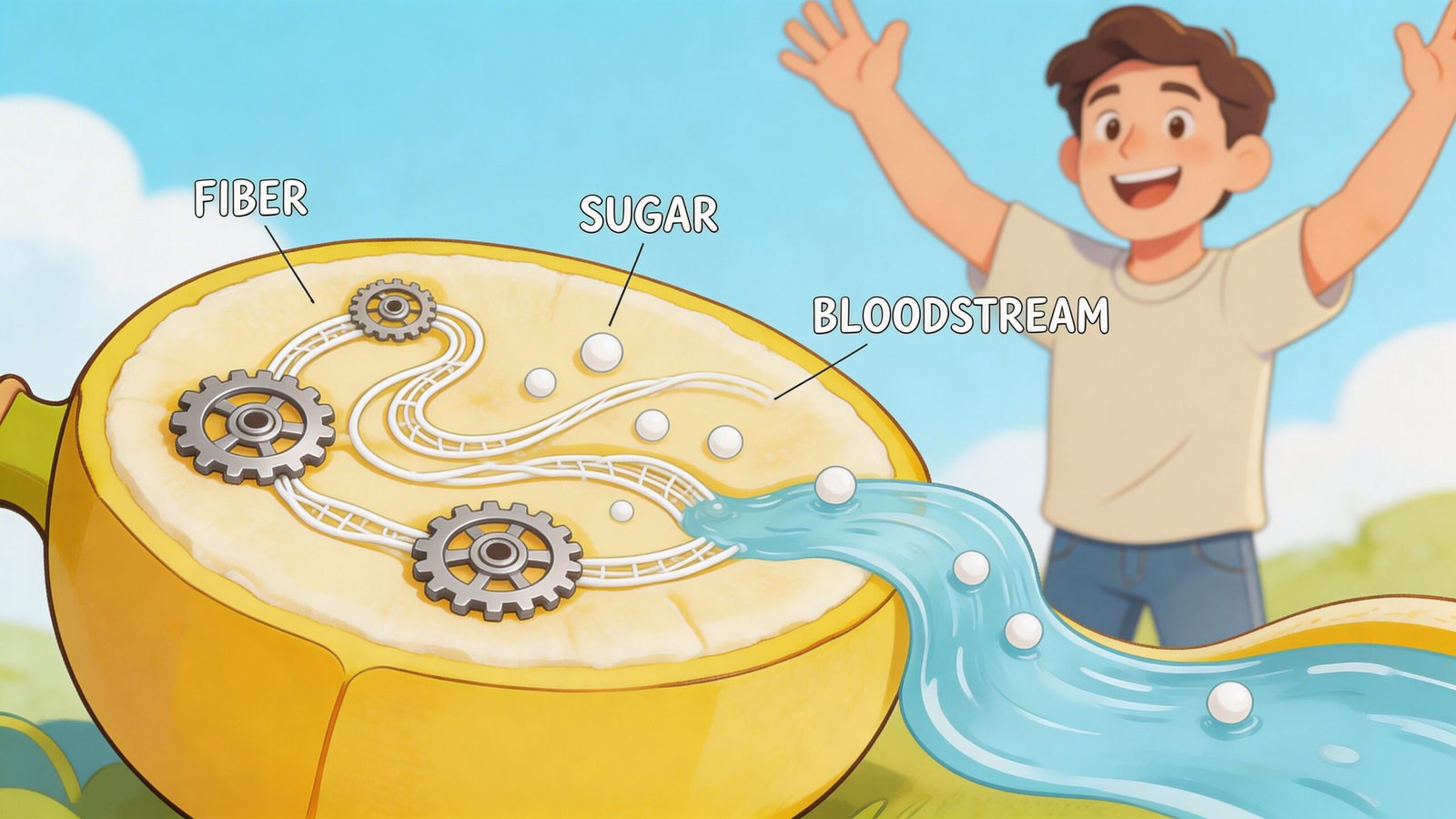
Fiber works like brakes
When you eat a banana, your body breaks down its carbohydrates for energy. That part is normal.
The question is how fast that happens. Fiber helps slow digestion, which can make energy feel steadier and hunger less abrupt. This is why some people find a banana more satisfying than foods that are crunchy, sweet, and easy to overeat.
Another useful concept is the glycemic index, often shortened to GI. You do not need to memorize charts to use it. Think of GI as a rough way to describe how quickly a food raises blood sugar. Lower is generally slower. Slower often feels steadier.
Bananas are often more weight-loss-friendly when they are paired with protein or fat. Adding Greek yogurt or nut butter is like putting stronger brakes on the meal. Digestion tends to slow down, and the snack usually keeps you satisfied longer.
For people trying to understand carbs in a less confusing way, this guide on what net carbs are helps clarify why not all carbohydrate-containing foods behave the same.
Green bananas behave differently
Ripeness changes the experience.
According to Nutrisense’s review of bananas and weight loss, unripe green bananas are rich in resistant starch, which acts a bit like fiber. Resistant starch resists digestion in the small intestine and can help slow things down, support gut health, and promote fullness.
A helpful analogy is this: regular starch is fuel your body burns quickly. Resistant starch is fuel that takes the scenic route. It is less available right away, so digestion feels slower and more gradual.
Nutrisense also notes that a study in people with type 2 diabetes found that adding 250 grams of banana, about two medium bananas, to breakfast for 4 weeks significantly lowered fasting blood sugar and cholesterol. That does not mean bananas are a treatment for weight loss. It does suggest that banana intake, especially in the right context, is not as metabolically chaotic as people fear.
What this means on a normal day
Use ripeness strategically.
A greener banana may suit you better when you want more staying power. A riper banana may be ideal when you want quick, convenient fuel before activity or when you want something sweet that still feels like real food.
If your biggest struggle is constant snacking, pairing bananas with protein can help. Gym Snack has a useful guide on strategies to stay full longer and master your appetite, and bananas fit well inside that bigger satiety strategy.
A quick visual can make this easier to remember.
If bananas leave you hungry fast, do not assume bananas are the problem. First test the ripeness and the pairing.
That is where many people get tripped up. They judge the fruit without looking at the context.
Separating Banana Fact from Weight Loss Fiction
Bananas carry a lot of nutrition baggage online.
Some of it comes from carb fear. Some comes from oversimplified dieting rules. Most of it falls apart when you look at how weight loss works.
Myth one bananas are too sugary for weight loss
This myth sounds persuasive because bananas taste sweet.
But sweet does not equal fattening. Whole fruit comes packaged with water, structure, and fiber. That combination makes it behave differently from candy, pastries, or sugary drinks. A banana can absolutely fit into a calorie deficit, especially when it replaces a more processed snack that is easier to overeat.
The confusion usually starts when people focus on one feature of a food instead of the whole food.
Myth two bananas cause weight gain
No single food causes weight gain in isolation.
A banana can be part of weight loss, maintenance, or weight gain. The same is true for oatmeal, rice, peanut butter, eggs, and almost every other normal food. The outcome depends on your total pattern of eating.
Here is a cleaner way to judge a banana. Ask whether it helps you stay on plan.
- Helpful: It keeps you from raiding the vending machine.
- Not so helpful: It turns into banana plus granola plus honey plus a giant spoonful of nut butter that you never track.
- Neutral: It fills a snack slot in your day.
Myth three all bananas act the same
They do not.
A greener banana often feels different from a soft, spotted one. A banana eaten alone may feel different from one eaten with yogurt. A banana before training may serve a different purpose from a banana eaten late at night while mindlessly snacking.
That is why “bananas are bad” is not a serious nutrition rule. It ignores ripeness, pairing, timing, appetite, and your daily intake.
Bananas are easy to blame because they are sweet and familiar. But most weight loss stalls come from repeated overeating across the day, not from one piece of fruit.
A lot of nutrition myths survive because they feel tidy. Real life is messier. You might do great with bananas at breakfast and feel less satisfied with them as a stand-alone afternoon snack. That does not make bananas good or bad. It means you are paying attention.
The better approach is not fear. It is observation.
Smart Banana Pairings and Portion Strategies
The best way to use bananas for weight loss is to stop eating them randomly.
A banana can be a smart snack. It can also become the opening act for a calorie-heavy spiral if you pair it carelessly. The fix is not avoiding bananas. The fix is building better combinations.
Pair for staying power
A banana on its own can work, especially when you need quick fuel.
But if you want longer-lasting fullness, pair it with protein or fat. This helps the snack feel more balanced and often smoother on energy.
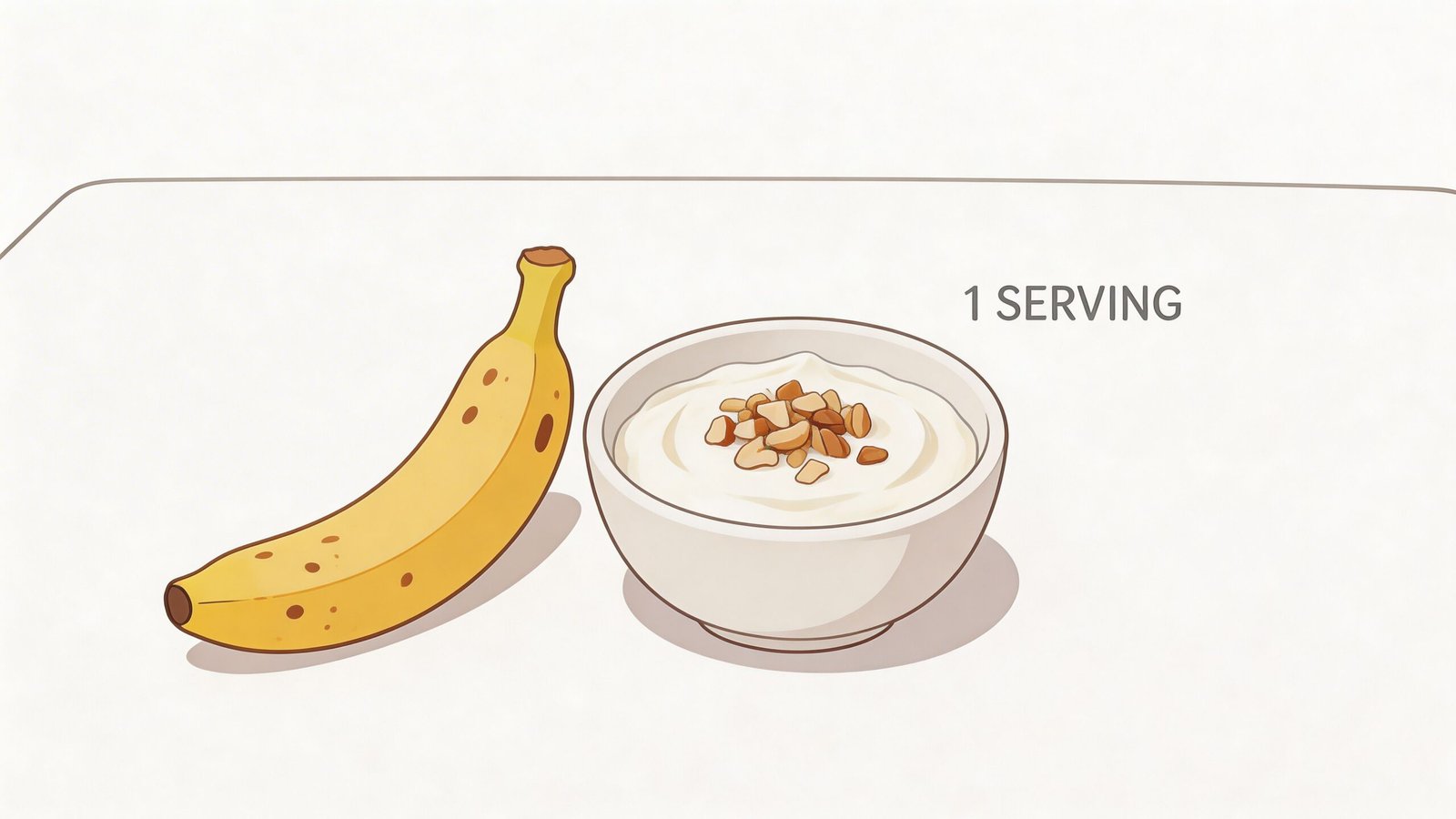
Some practical examples:
- Greek yogurt plus banana: Good for breakfast or a mid-afternoon snack when you want protein and something sweet.
- Banana with nut butter: Useful when you want convenience and a more filling texture.
- Banana with cottage cheese: A less trendy option, but often very satisfying.
- Sliced banana in oats: Best when you want a meal that feels substantial, especially after training.
Match the banana to the moment
Not every banana needs the same job.
Here is a simple decision guide:
| Situation | Better approach |
|---|---|
| You need fast pre-workout fuel | A ripe banana can be convenient and easy to digest |
| You want more fullness between meals | Try a slightly greener banana with protein |
| You want dessert without opening the snack floodgates | Slice banana over yogurt or blend it into a simple smoothie |
| You tend to snack mindlessly at night | Pre-portion the pairing before you sit down |
Appetite is situational. The same banana can feel perfect at one time of day and underwhelming at another.
Watch the add-ons, not just the fruit
People often ask whether bananas are good for weight loss, then ignore what comes with them.
Calorie creep usually hides in toppings, spoonfuls, and “healthy” extras. Nut butter is a classic example. It can make a banana snack better, but it can also turn a light snack into a much heavier one if you free-pour it from the jar.
Try this instead:
- Put the banana on a plate.
- Add your pairing intentionally.
- Sit down and eat it like food, not like an accidental kitchen detour.
That tiny bit of structure helps more than many expect.
A banana is easiest to manage when it stays a snack or part of a meal, not a trigger for adding five more things.
Keep portions boring in a good way
Boring is underrated in weight loss.
The more automatic your snack becomes, the easier it is to repeat. A banana with yogurt after lunch. A banana before the gym. Half a banana sliced into breakfast. Those routines reduce decision fatigue.
You do not need a banana “hack.” You need a repeatable pattern that feels easy on your busiest days.
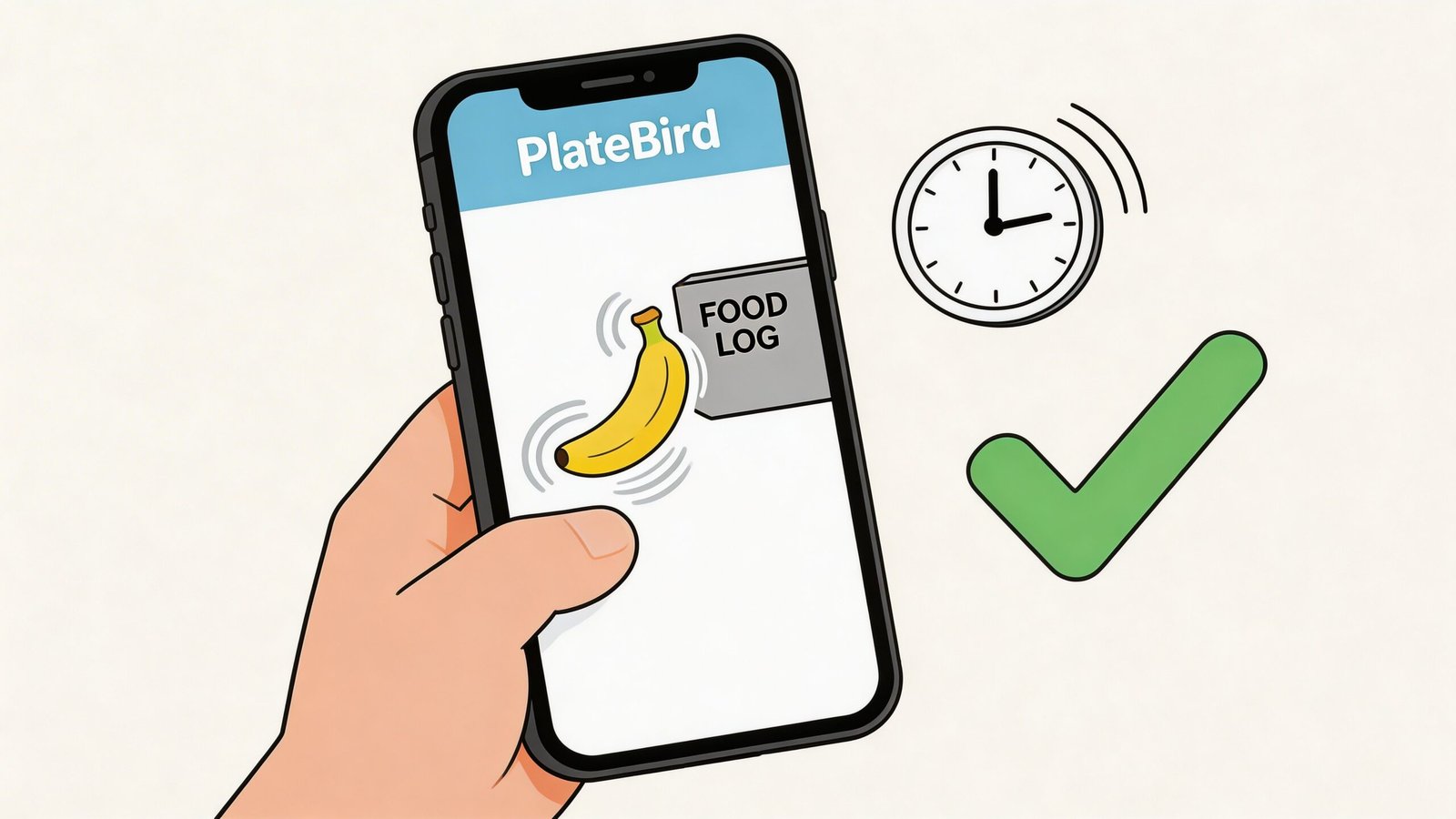
How to Log Bananas in Seconds with PlateBird
Many do not fail weight loss because bananas are confusing.
They fail because tracking everything manually gets annoying fast. Typing into giant food databases, guessing portions from search results, and rebuilding the same snack every day creates friction. Friction kills consistency.
That is where a simpler logging flow matters.
Use text logging for the fastest entries
If your snack is straightforward, type it like a note.
Examples:
- banana
- banana and Greek yogurt
- banana with peanut butter
- oatmeal banana yogurt
That feels easier than hunting through endless menu items. It also matches how people think about food. You remember meals as combinations, not as a stack of database entries.
If you are comparing tools first, this roundup of best meal tracking app options gives useful context on what different trackers prioritize.
Use photo logging when you build bowls or plates
Bananas rarely live alone forever.
Once you slice one into yogurt, oats, cereal, or a smoothie bowl, photo logging becomes useful. You snap the meal, review the food recognition, and move on. That is especially handy for busy professionals, parents packing breakfast on the fly, or gym-goers who eat the same post-workout bowl over and over.
Save recurring snacks as shortcuts
The smartest move is not just logging once. It is reducing the effort the next time.
If you often eat the same banana snack, save it as a shortcut. Then your usual breakfast or afternoon snack becomes a one-tap entry instead of a repeated task. That kind of convenience is what makes long-term tracking realistic.
For people focused on protein targets or calorie control, this breakdown of the best macro tracking app features can help you decide what kind of logging system fits your routine.
Why this matters for weight loss
Tracking is not about obsessing over a banana.
It is about seeing patterns. Maybe bananas keep you more satisfied in the morning than at night. Maybe your “healthy” banana smoothie is closer to a full meal than you realized. Maybe your best days all include the same simple snack that keeps you from overeating later.
Good tracking gives you feedback without drama.
That is the key advantage. Bananas are easy to include in a weight loss plan. They become much easier to use strategically when logging them takes seconds instead of effort.
The Verdict Are Bananas Your Weight Loss Ally
Yes. For many people, bananas are good for weight loss.
Not because they burn fat. Not because they are some miracle fruit. They work because they are convenient, satisfying, easy to portion, and flexible enough to fit different routines. A banana can be a solid snack, quick workout fuel, or part of a more filling meal when paired well.
The nuance matters.
A greener banana may help when you want slower digestion and more staying power. A riper banana may make more sense when you want fast energy. Pairing it with protein or fat often improves fullness. Logging it consistently helps you see whether it supports your appetite and calorie goals.
That is the honest answer people usually need. Bananas are not the problem. Guessing is.
If a banana helps you stay full, avoid impulsive snacking, and stick to your plan, it is not sabotaging your progress. It is helping it.
If you want a simpler way to stay consistent, PlateBird makes logging foods like bananas, yogurt bowls, and repeat snacks feel quick instead of tedious. You can type your meal, snap a photo, and keep moving. That kind of low-friction tracking is often what turns good intentions into a routine you maintain.