You've probably done the hard part already. You watched a few meal prep videos, bought the containers, maybe even spent a Sunday portioning chicken and rice, then by Wednesday the fridge was full of food you no longer wanted to eat. That gap between good intentions and actual follow-through is where most weight-loss meal prep falls apart, and it's usually not because the recipes were bad.
The core challenge with meal prep for weight loss is that it's more than a cooking project. It's a system for making fewer impulsive food decisions, keeping portions honest, and reducing the friction that pushes people toward takeout, snacks, or whatever's easiest at 8 p.m. Planning ahead is one of the behaviors most consistently linked with better eating patterns, not because it's glamorous, but because it changes what happens when you're hungry, busy, and tired. If you want the behavioral foundation behind that, start with the basics of a calorie deficit in this overview.
Why Meal Prep Changes Your Weight Loss Outcomes
The first week usually feels productive. The second week is where reality shows up. You're standing in front of the fridge, the containers are there, and you still want something different, something faster, or something that doesn't require reheating another tray of chicken and vegetables.
Planning changes the decision, not just the menu
That's why meal prep matters. In a large observational study of 40,554 French adults, people who planned meals more often had better diet quality and a higher food-variety score, and women who planned meals had lower odds of being overweight, with an OR of 0.92, and obese, with an OR of 0.79 source. The point is not that planning magically burns fat. It changes the choices you make when you are hungry, busy, and tired, and it helps those choices line up more often with nutrition guidelines.
That is the practical difference between a plan and a wish. A wish depends on how you feel at dinner. A plan already decided what dinner is.
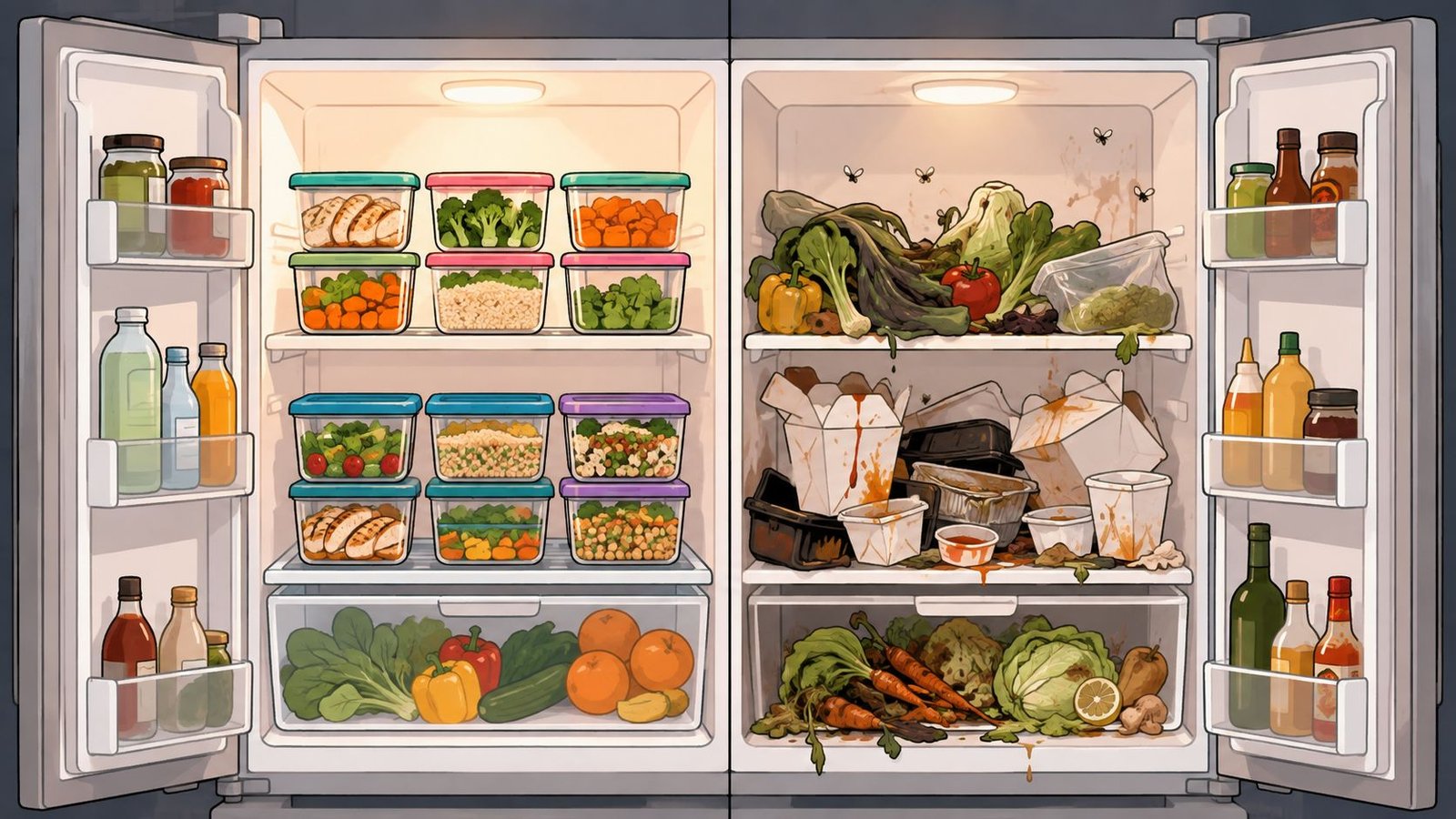
The hidden win is fewer on-the-spot choices. If the food is already portioned and visible, you are not negotiating with hunger at the worst possible moment. You are just following through.
Weight loss works better when the food is already decided
There is also a reason people who prep consistently tend to stick with it longer. More frequent meal planning has been associated with greater weight-loss success, and a peer-reviewed analysis linked frequent planners with about 6.2% body-weight loss versus about 3.4% in less frequent planners over the study period source. That is not a reason to chase perfection. It is a reason to build a routine you can repeat.
The hardest part is not chopping vegetables. It is removing the daily “what should I eat?” loop that starts every time you get hungry. Once the decision is made in advance, the rest of the week gets easier. Meal prep also works best when it reduces friction outside the kitchen, which is why a calorie deficit framework matters from the start, as explained here.
Setting Your Calorie and Macro Targets
A full fridge does not solve a loose target. You can batch-cook all week and still miss the goal if every container is built around vague portions, extra sauce, or sides that add more calories than you expected. Weight loss gets easier when you decide the calorie range first, then build meals that fit it.
Use the plate method as the simplest starting point
The cleanest starting point is the plate split used by the Harvard Nutrition Source, roughly 1/2 non-starchy vegetables, 1/4 lean protein, and 1/4 complex carbohydrates source. That structure keeps portions visible before you start weighing every ingredient. It also helps with one of the most common failure points in meal prep, calorie drift from oversized starch portions, heavy sauces, and oil used without measuring.
Lean protein should stay the anchor. A common benchmark is 25 to 40 g per meal source. That range matters because protein usually helps with satiety while keeping calorie density under control, which is what you want when you are trying to stay in a deficit without feeling like you are constantly underfed.
Practical rule: if you are not ready to count everything, make protein and vegetables the fixed part of the meal, then adjust the starch portion based on your appetite and activity.
The same logic works when you want a little variety without losing control. A tray of roasted vegetables or a sharp side like the beginner's guide to vegetable pickling can add volume and contrast without forcing you to build a complicated menu around it.
For a more detailed breakdown of how macros fit together, use this macro guide as a reference point.
Start with a range, then tighten it later
The mistake I see most often is chasing a perfect number before the routine exists. That usually creates hesitation, and hesitation turns into “I'll start next week.” A better approach is to pick a calorie range, build meals around it, and let the routine show you what your actual appetite looks like once the week is in motion.
A target is not a judgment on your discipline. It is a working boundary that keeps lunch, dinner, and snacks from becoming a string of random decisions.
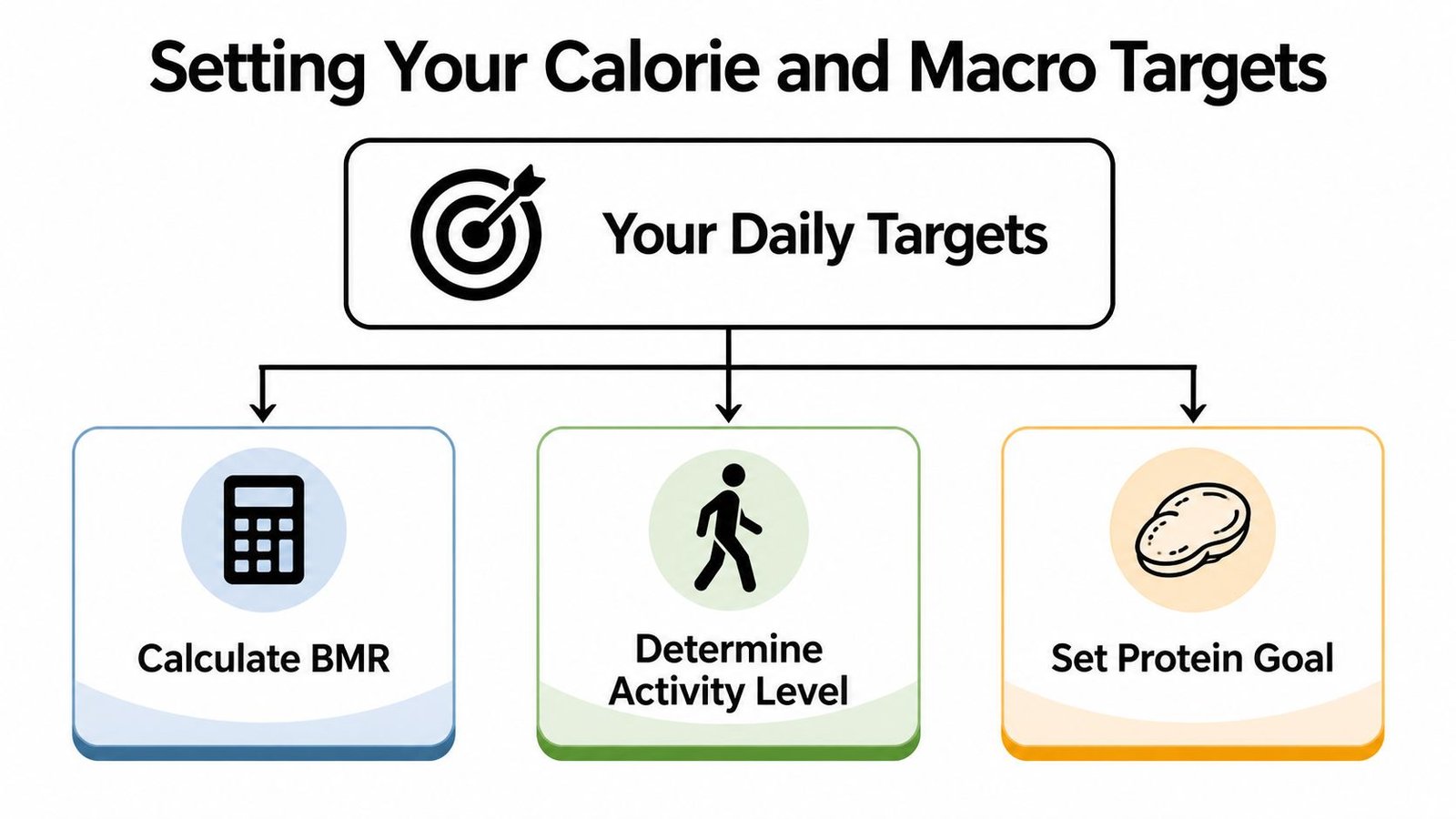
If you track your intake, keep the target visible. If you do not track yet, still build meals as if the numbers matter, because portion accuracy can drift fast after cooking and serving. The visual reminder in the daily calorie and macronutrient target infographic helps make that step concrete.
Planning Your Weekly Menu and Grocery List
A good menu is boring in the best way. It repeats smartly, uses the same ingredient base across multiple meals, and avoids the kind of complexity that collapses on Thursday night. If your plan needs six special sauces and a separate trip to three stores, it's not a plan you'll keep using.
Build from repeatable ingredients
The easiest structure is simple. Choose 3 to 4 proteins, 2 to 3 carbohydrate sources, and 3 to 4 vegetables, then rotate them across breakfasts, lunches, and dinners. That gives you enough variety to avoid monotony without turning meal prep into a culinary project.
I like to think in modules, not recipes. Grilled chicken, turkey meatballs, tofu, or salmon can all play the protein role. Rice, potatoes, oats, or beans can cover the carb side. Broccoli, peppers, spinach, green beans, and cabbage can fill the vegetable lane. Once those pieces are in place, the week becomes assembly instead of improvisation.
Make the grocery list do the mental work
A grocery list is only useful if it follows the structure of the menu. Group items by category, then shop once. The goal is to walk into the kitchen with every ingredient you need, not to discover mid-prep that you're missing the one thing that holds the whole week together.
If you want a deeper framework for organizing the week, the meal planning for weight loss guide is a useful companion, especially if you're still figuring out how strict your prep needs to be.
One underrated trick is to prep one flexible side that makes leftovers more useful. Pickled vegetables are a good example because they add acidity and crunch without asking much from your schedule, and a beginner's guide to vegetable pickling can make a basic prep box feel less repetitive.
Keep the plan simple enough that you'd still follow it on a week when work goes sideways.
If full weekly prep feels too ambitious, start with two days. That's often enough to prove the system without making your kitchen feel like a factory.
Batch Cooking and Portioning with Accuracy in Mind
The cooking part is where confidence can get ahead of the plan. The food smells good, the containers are ready, and it feels like the hard work is done. The part that usually slips is the last one, portioning food so it stays accurate after cooking, cooling, and reheating.
Cook in the order that saves time
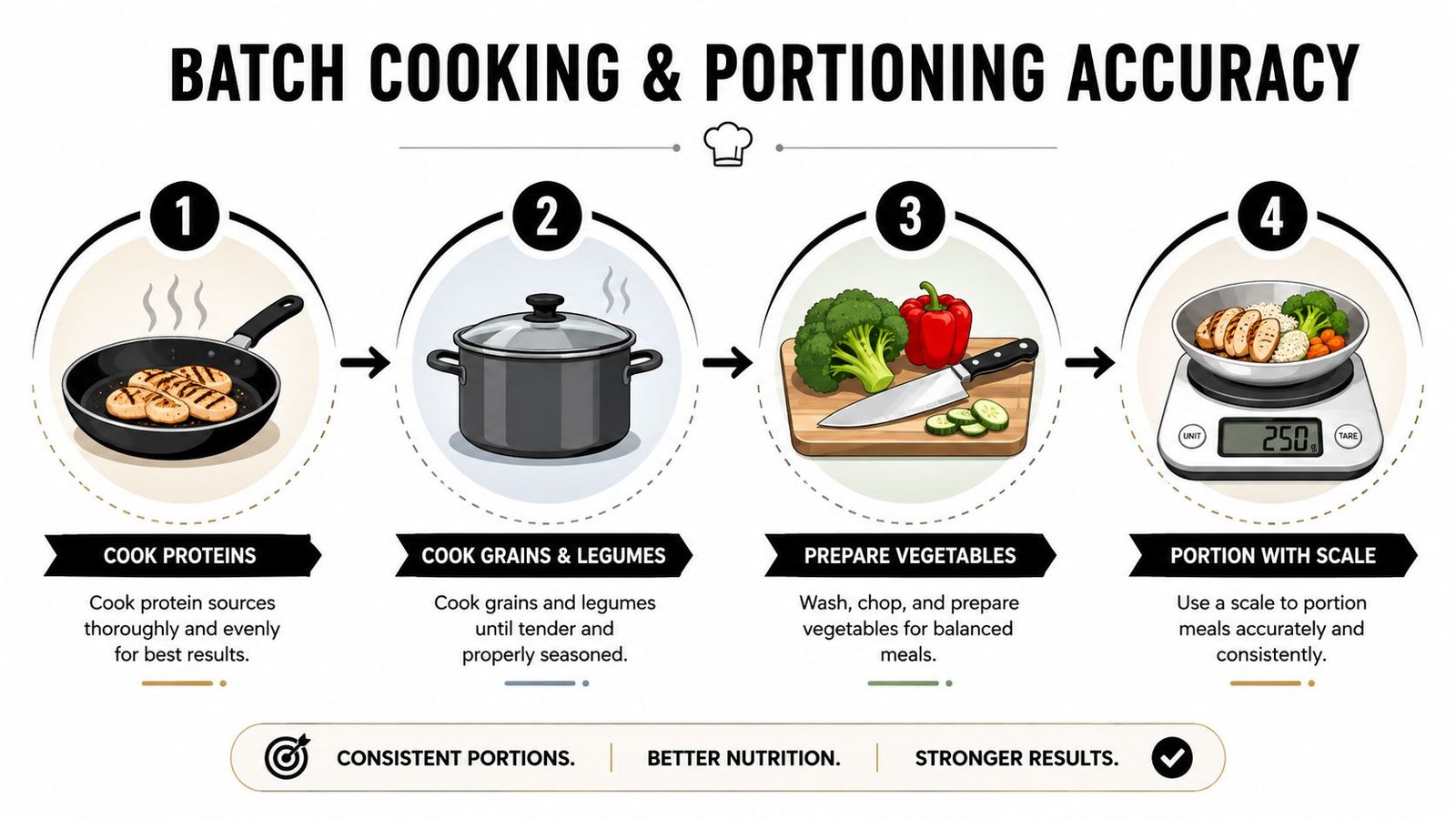
Start with the items that take the longest. Proteins usually go first, then whole grains and legumes, then roasted vegetables. That order keeps the kitchen moving because the slowest foods finish before assembly starts, and you are not standing around waiting for one tray while another pan goes cold.
It also keeps the process calmer. If you try to cook everything at once, the result is often uneven timing, burnt vegetables, undercooked grains, or a counter that turns cleanup into a second job.
Portion with tools, not guesswork
The common mistake is eyeballing everything. Once food is cooked and packed into containers, visual estimates drift fast, especially with oils, grains, sauces, dressings, and snacks. A food scale or measured containers costs less than the calorie drift it prevents.
When possible, weigh ingredients raw, then portion the finished batch as evenly as you can. That is the simplest way to keep each container close to plan without turning every lunch into an accounting exercise. If you use shared sauces or toppings, keep them separate until you are ready to eat so one heavy pour does not change the whole meal.
Storage only works if the timing is tight
Batch cooking only helps if the storage window is respected. Food safety guidelines recommend refrigerating cooked foods within 2 hours source. After that, move them into the fridge promptly so the system stays safe and usable.
Measured, structured prep works better than loose improvisation source. That is the key lesson here. Meal prep is not just cooking in bulk. It is holding onto accuracy long enough for the food to be eaten.
For smaller kitchens, counter space and storage can become the bottleneck. The Cabinet Coach small kitchen guide is useful if your prep area gets crowded the moment you start laying out containers, cutting boards, and sheet pans.
Building a Realistic Weekly Workflow
A meal prep system has to fit inside a week that already has meetings, errands, workouts, and the occasional bad day. The people who keep doing it usually are not the ones making the fanciest recipes. They are the ones who make prep predictable enough to repeat without dreading it.
Pick a prep rhythm you can actually keep
A workable setup usually starts with one fixed prep day, a list-based grocery run, and one or two focused cooking sessions. That might be Sunday morning, Wednesday evening, or a split routine where proteins get cooked one night and vegetables the next. The exact day matters less than whether you can keep returning to it.
Regular planning also reduces decision fatigue. Meal-planning studies have found that people who plan more often tend to stick with healthier eating patterns more consistently over time, which matters more than chasing a perfect weekly reset. That does not mean you need to cook every day. It means a routine you can repeat usually beats a heroic prep session that leaves you tired and behind by Thursday.
Make weekdays friction-light
Once the food is made, weekday behavior should be almost boring. Reheat, log, eat. If you are still deciding from scratch every afternoon, the prep is not carrying enough of the load.
If your kitchen is small, counter space and storage can become a primary constraint. The The Cabinet Coach small kitchen guide is useful because it treats space as part of the workflow, not just a place to stash containers.
Useful standard: if your kitchen setup turns prep into a cleanup marathon, simplify the menu before you blame your discipline.
Leave room for interruptions
Real life will break the routine sometimes. A meeting runs late. You eat out once. A container gets forgotten in the back of the fridge. That does not mean the system failed. It means the system needs a reset point.
The practical fix is to keep a small reserve of easy meals or partially prepped ingredients so one missed prep day does not turn into a lost week. A flexible routine can absorb a disruption and keep going. A rigid one tends to break the moment the week stops behaving.
Tracking Without Losing Your Mind
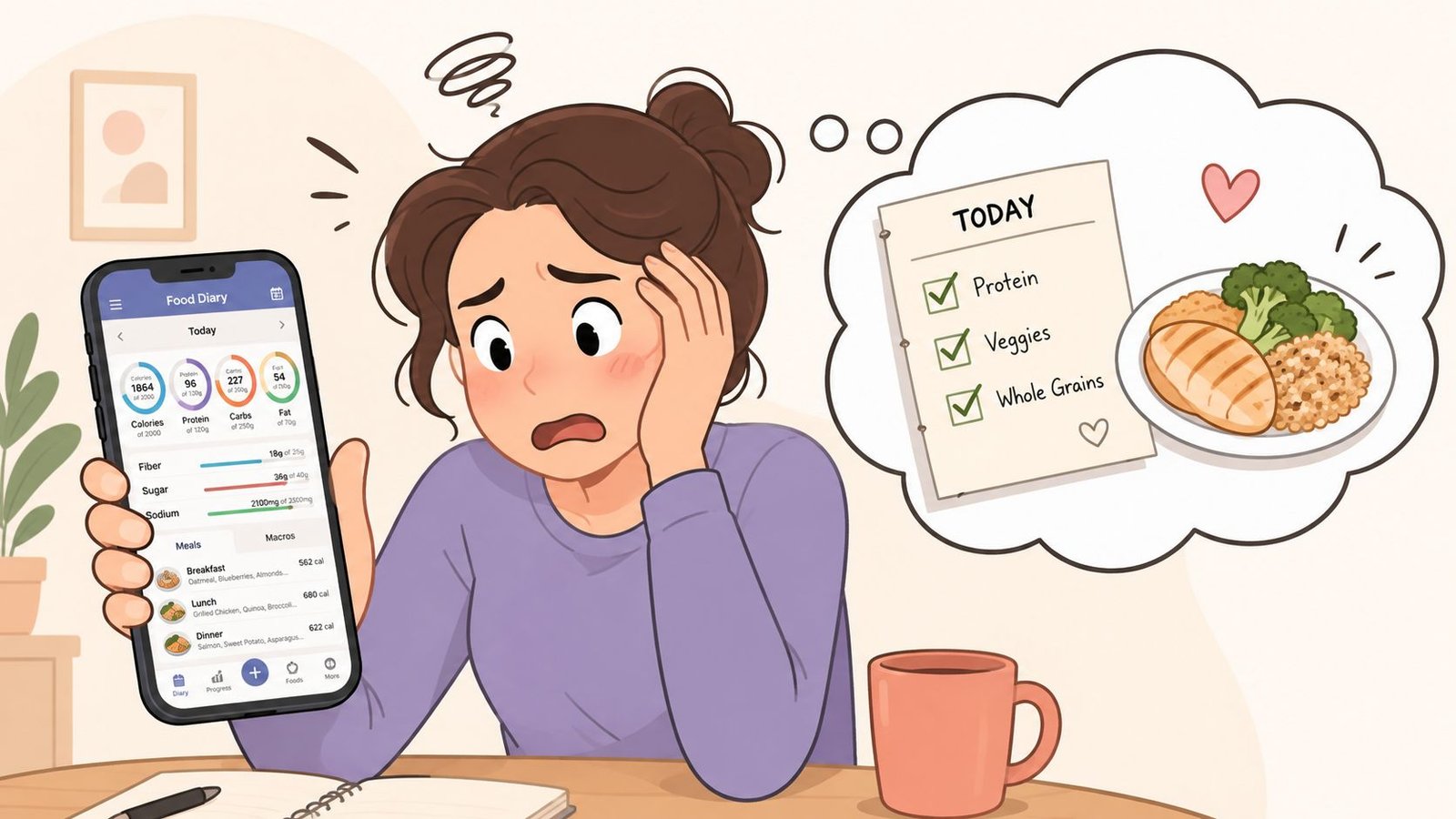
Meal prep gets you 80 percent of the way there. Tracking closes the gap, because the best container in the world doesn't help if the portions, sauces, and extras never get logged. The problem is that many people hate the logging step because it feels slow and repetitive.
Make logging fast enough to keep doing it
The easiest way to stay consistent is to reduce the number of taps. Type what you ate in plain language, use photo-based entry when that's faster, and save recurring meals as shortcuts once they repeat. That kind of workflow keeps tracking close to the actual meal instead of turning it into a separate project you dread after dinner.
PlateBird is one option built around that kind of friction reduction. It lets you type simple meal descriptions or snap a photo, then returns a calorie and macro breakdown so you can log meals quickly without digging through barcode screens or endless food lists.
The key habit is logging before you eat, not after. Once the meal is gone, memory gets less reliable and missing entries become easier to justify.
Treat repeats as shortcuts, not chores
The more often you eat the same breakfast or lunch, the less work tracking should take. Repeated meals should become one-tap entries, not a fresh search every day. That's how tracking starts feeling like part of the routine instead of a separate task hanging over it.
If a meal is hard to log, there's a good chance it's also hard to repeat accurately. That's usually a sign to simplify the ingredients, not to give up on the method.
Troubleshooting Common Meal Prep Failures
Most meal prep failures are predictable. The food goes bland, the schedule gets too tight, or the plan is so rigid that one bad day knocks everything off track. The fix depends on which problem you have.
Match the fix to the problem
If the issue is boredom, the answer isn't abandoning prep. Add herbs, acid, and a little fat so the food tastes like something you'd voluntarily eat again. Plain chicken and broccoli usually fail because they ask too much of willpower and too little of flavor.
If the issue is time, full weekly prep may be the wrong format. Partial prep, two-day prep, or a modular ingredient system often works better than trying to cook every meal in advance. Recent practical guidance from health-system sources reflects that flexibility, and that nuance matters because adherence is the key test, not how impressive the prep day looks.
If the issue is calorie creep, check sauces, oils, dressings, and toppings first. That's where lots of hidden energy intake sneaks in. It's also where portion accuracy matters most after the containers are packed.
Use partial prep when full prep backfires
A full Sunday cookup sounds efficient until you're staring at seven identical meals and dreading all of them. For a lot of busy people, a better compromise is prepping lunches, dinners, or just the ingredients that take the longest. That keeps the week easier without demanding a level of commitment that doesn't match real life.
The plan that survives an ordinary week beats the plan that only works on a perfect one.
If you keep running into the same wall, don't assume meal prep doesn't work for you. Usually the format is wrong, not the idea. Adjust the portioning, simplify the menu, or shorten the prep horizon until the routine feels usable again.
If you want a simpler way to keep meal prep and tracking connected, try PlateBird. It's built to make logging faster, which matters when your goal is to stay accurate without spending all night entering food one item at a time.