- 1. Grilled Chicken Breast with Roasted Vegetables and Quinoa
- 2. Mediterranean Chickpea Salad with Feta and Olive Oil Vinaigrette
- 3. Egg White Scramble with Whole Wheat Toast and Berries
- 4. Turkey Meatballs with Marinara Sauce and Zucchini Noodles
- 5. Salmon with Sweet Potato and Steamed Broccoli
- 6. Greek Yogurt Protein Bowl with Granola, Honey, and Almonds
- 7. Lean Beef Stir-Fry with Brown Rice and Mixed Vegetables
- 8. Tuna Salad Lettuce Wraps with Whole Grain Crackers
- 1200-Calorie Recipe Comparison: Nutrition & Highlights
- Your Action Plan for a Sustainable 1200-Calorie Journey
Day one of a 1200-calorie plan often feels organized. By day three, lunch is rushed, dinner is repetitive, and logging one more meal can feel like a second job. People usually drift off plan at that point because the meals are boring, the portions are unclear, or tracking takes too much effort on a busy day.
A 1200 calorie approach only works if it handles hunger and friction at the same time. Meals need enough protein, fiber, and volume to feel like real food. They also need to be easy to repeat, easy to portion, and easy to log without pulling out a food scale for every bite. Structured 1200-calorie patterns can include grains, vegetables, fruit, dairy, and lean protein, so the goal is not to eat as little as possible. The goal is to make a tight calorie budget livable.
That is the standard I use for these recipes.
Each one is built around commonly purchased ingredients, portions that fit a 1200-calorie day, and simple PlateBird shortcuts that reduce tracking fatigue. If you want a faster system, start with a practical guide on how to count calories accurately without overcomplicating meals, then use the same naming pattern or plate photo method each time you repeat a recipe.
A key advantage is consistency. A meal you can cook again next week, log in under a minute, and adjust without guesswork is far more useful than a “perfect” recipe you make once.
1. Grilled Chicken Breast with Roasted Vegetables and Quinoa
You get home hungry, the day ran long, and dinner needs to be predictable. This is the kind of meal that keeps a 1200-calorie plan from falling apart because it gives you enough volume and protein without creating a tracking headache.
Build the plate with grilled chicken breast, a measured serving of cooked quinoa, and roasted vegetables such as broccoli, zucchini, and bell peppers. If quinoa is already cooked and the vegetables are pre-cut, dinner becomes an assembly job you can finish before hunger turns into grazing.
Why this one works
This meal does three jobs well. Chicken helps with fullness. Vegetables add bulk for very few calories. Quinoa gives the plate enough staying power that dinner still feels complete.
The trade-off is straightforward. This meal is hard to overeat if the grain and oil are portioned first, but it gets calorie-dense fast when quinoa is scooped casually or vegetables are roasted with a heavy pour of oil. That is usually where an otherwise solid dinner stops fitting a 1200-calorie day.
I coach clients to standardize this recipe early because repeat meals are easier to sustain than constantly chasing variety. Once you know your usual portion, PlateBird becomes much faster to use. Save the meal under one consistent name, snap the plate before eating, and compare tonight’s serving to your usual entry. If portions tend to drift, this guide on how to count calories accurately without overcomplicating meals gives you a cleaner system.
A few ways to keep the recipe practical:
- Cook the quinoa in batches: Portion it into single servings while it is fresh, not when you are tired and hungry later.
- Season hard, not heavy: Lemon juice, garlic powder, smoked paprika, black pepper, and herbs add flavor without adding hidden calories to the meal.
- Measure oil once: Toss vegetables in a bowl with a measured amount instead of pouring straight from the bottle.
- Use a visual default: Fill half the container with vegetables, then add the chicken and quinoa. That keeps volume high on lower calories.
- Log the repeat version: In PlateBird, reuse the same saved meal entry rather than rebuilding dinner from scratch every time.
This is not the most exciting dinner on paper. It is one of the most useful. On a tight calorie budget, reliable meals beat creative meals you cannot portion or track consistently.
2. Mediterranean Chickpea Salad with Feta and Olive Oil Vinaigrette
It is 12:40, meetings ran long, and lunch needs to happen in five minutes. This is the kind of meal that keeps a 1200-calorie plan intact because it is fast, filling, and easy to repeat without cooking.
Build it with chickpeas, mixed greens, cucumber, tomato, and red onion. Add a small portion of feta and a measured olive oil vinaigrette. You get fiber, texture, and enough richness to make lunch feel like real food instead of a backup plan.
The trade-off is straightforward. Chickpeas make the salad satisfying, but the calories climb fast once feta and oil stop being measured. I see this a lot with desk lunches. The ingredients are solid, yet one generous pour of dressing can push the meal well past what people meant to eat.
A Mediterranean-style salad still works well in a balanced 1200-calorie day, as noted earlier in the article. The key is keeping the high-calorie ingredients controlled while letting the vegetables do the volume work.
What makes this one practical:
- Measure the vinaigrette before it touches the bowl: One tablespoon feels small at first, but with lemon juice, vinegar, garlic, and oregano, it is usually enough.
- Keep feta in the garnish lane: A little goes a long way. If the salad starts looking white on top, the portion is probably drifting.
- Pack wet and dry parts separately: Greens stay crisp, and PlateBird logging is cleaner because the dressing amount is easy to remember.
- Use chickpeas as the anchor, not the whole container: Pre-portion them once so lunch does not become a guess.
- Save a repeat lunch in PlateBird: A consistent entry like “Mediterranean chickpea salad with 1 tbsp vinaigrette” is faster to reuse than rebuilding the meal every time.
I like this recipe for clients who are tired of reheated leftovers. It travels well, tastes good cold, and holds up on busy workdays.
For PlateBird, this is one of the easiest lunches to track sustainably. A quick text log usually works: chickpeas, feta, greens, cucumber, tomato, red onion, 1 tbsp olive oil vinaigrette. If lunch is your most chaotic meal, the same shortcut mindset behind these easy breakfast ideas for busy mornings applies here too. Keep the ingredients consistent, log the repeat version, and make small changes only when you plan them.
3. Egg White Scramble with Whole Wheat Toast and Berries
You wake up late, have about 10 minutes, and still need a breakfast that will not wreck a 1200-calorie day by 10 a.m. This is one of the few options that works in real life.
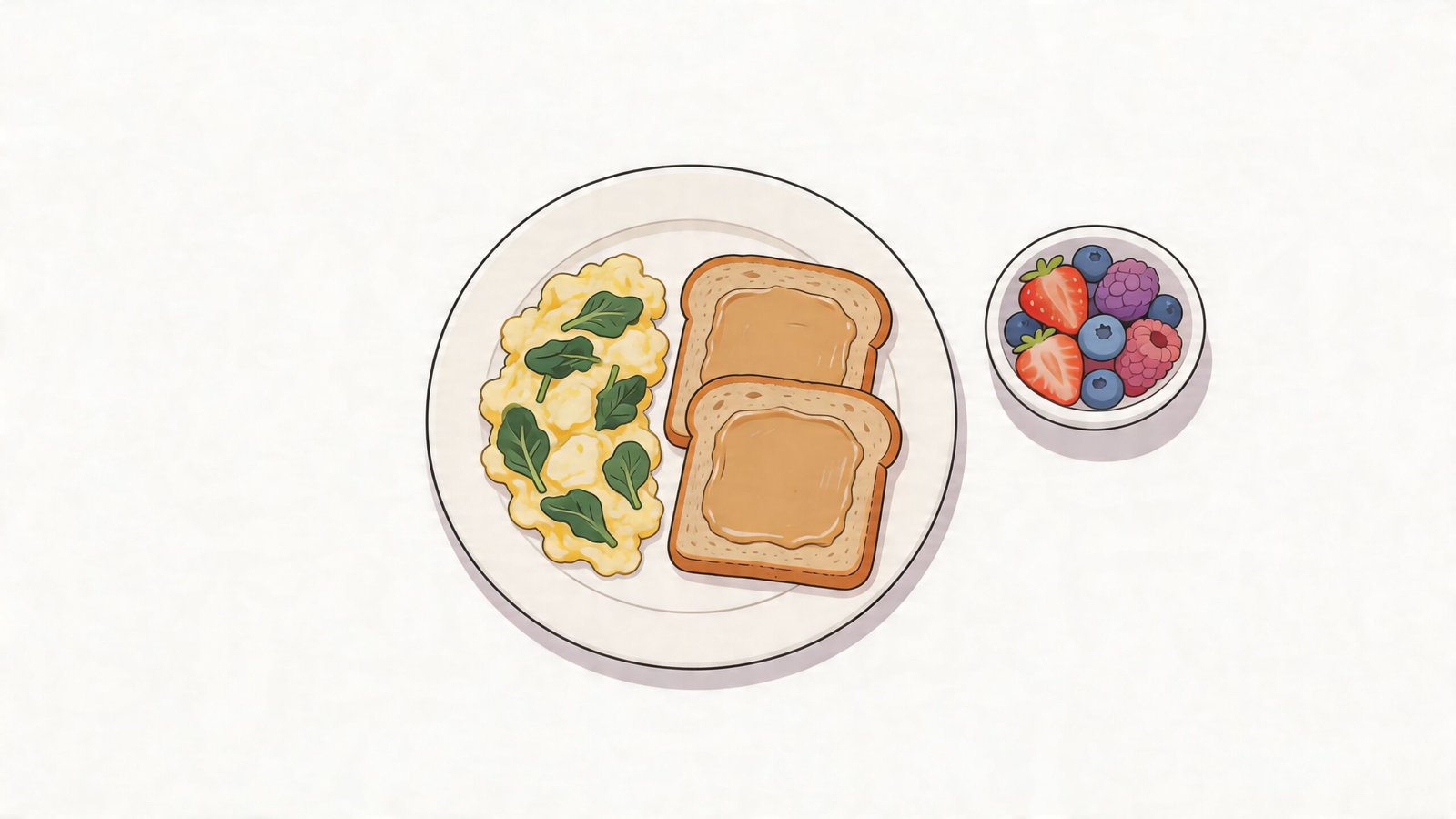
An egg white scramble with vegetables, whole wheat toast, and berries gives you protein, fiber, and enough volume to take the edge off hunger without spending half your calories before lunch. It also uses foods that are easy to portion, which matters more than people expect on a tighter calorie budget.
Build it for fullness
Cook the egg whites with a generous handful of spinach, mushrooms, or peppers. Use one slice of whole wheat toast, add a measured amount of nut butter if you want it, and keep the berries to a planned serving instead of eating from the carton.
The trade-off is simple. Egg whites keep calories lower, but they are less satisfying than whole eggs for some people. If this breakfast leaves you hungry an hour later, use fewer egg whites and add one whole egg. The calories go up a bit, but adherence usually improves, and that matters more than forcing a breakfast you do not enjoy.
A few habits make this meal easier to repeat:
- Cook the vegetables first if they release water: Mushrooms and spinach can make the scramble soggy if they go in all at once.
- Use a measured spread on toast: Almond or peanut butter can turn a light breakfast into a calorie-dense one fast.
- Portion berries ahead of time: A small container is easier to log accurately than a large clamshell on the counter.
- Save the meal as a repeat entry in PlateBird: “Egg white scramble, 1 toast, berries” is faster than rebuilding breakfast every morning.
If breakfast is the meal you skip planning for, a short list of easy meal prep ideas for busy mornings and lunches helps keep the ingredients ready without much effort.
PlateBird is especially useful here because this meal is visually consistent. Snap the plate, confirm the toast, berries, and scramble once, then reuse the entry on similar mornings. That shortcut keeps tracking sustainable, which is usually the difference between following a 1200-calorie plan for a week and sticking with it.
4. Turkey Meatballs with Marinara Sauce and Zucchini Noodles
You get home wanting pasta, but a full bowl can eat up too much of a 1200-calorie day fast. This version solves that problem better than most swaps because it keeps the parts people actually want at dinner. Savory meatballs, red sauce, herbs, and a little cheese.
Lean turkey meatballs over zucchini noodles give you a plate that feels familiar, while keeping calories easier to control than a standard pasta portion. Add basil and a measured sprinkle of parmesan, and the meal tastes intentional instead of stripped down.
Make the texture work for you
The main failure point here is not flavor. It is moisture.
Zucchini noodles can flood the plate and thin out the marinara if they are cooked too long or stored in sauce. Salt them lightly, let them sit for a few minutes, then press or pat them dry. Cook them quickly, just until slightly tender. For meal prep, store the zoodles, meatballs, and sauce in separate containers and combine them right before eating. That one step makes leftovers much better.
This video shows the style of prep that works well for a meal like this:
For pasta lovers, the goal is not to make zucchini identical to spaghetti. The goal is to make the full bowl satisfying enough that you do not miss the larger pasta portion.
There is a trade-off here. Extra-lean turkey keeps calories lower, but it can turn dry if you overcook it. A slightly less lean mix often gives better texture, so the practical move is to compare both options in PlateBird once, save the version you prefer, and repeat it. For many people, the dinner they will keep making beats the dinner with the lowest possible calorie total.
A few details improve this meal:
- Use a measured amount of breadcrumbs and cheese: Small add-ins change the calorie total more than people expect.
- Bake the meatballs on a lined sheet pan: It is easier to portion them evenly, and cleanup is faster.
- Log the full plate once in PlateBird as a saved dinner: “Turkey meatballs, marinara, zucchini noodles” is the kind of repeat meal that makes tracking sustainable.
- Pre-portion meatballs for the week: Four or five per container is easier to stay consistent with than serving from one large batch.
If dinner is the meal that falls apart on busy nights, these easy meal prep ideas for repeatable low-effort lunches and dinners can help you keep components ready without much extra work.
5. Salmon with Sweet Potato and Steamed Broccoli
You get home hungry, chicken sounds boring, and takeout starts to look easier than staying on plan. This is the dinner I use for that moment.
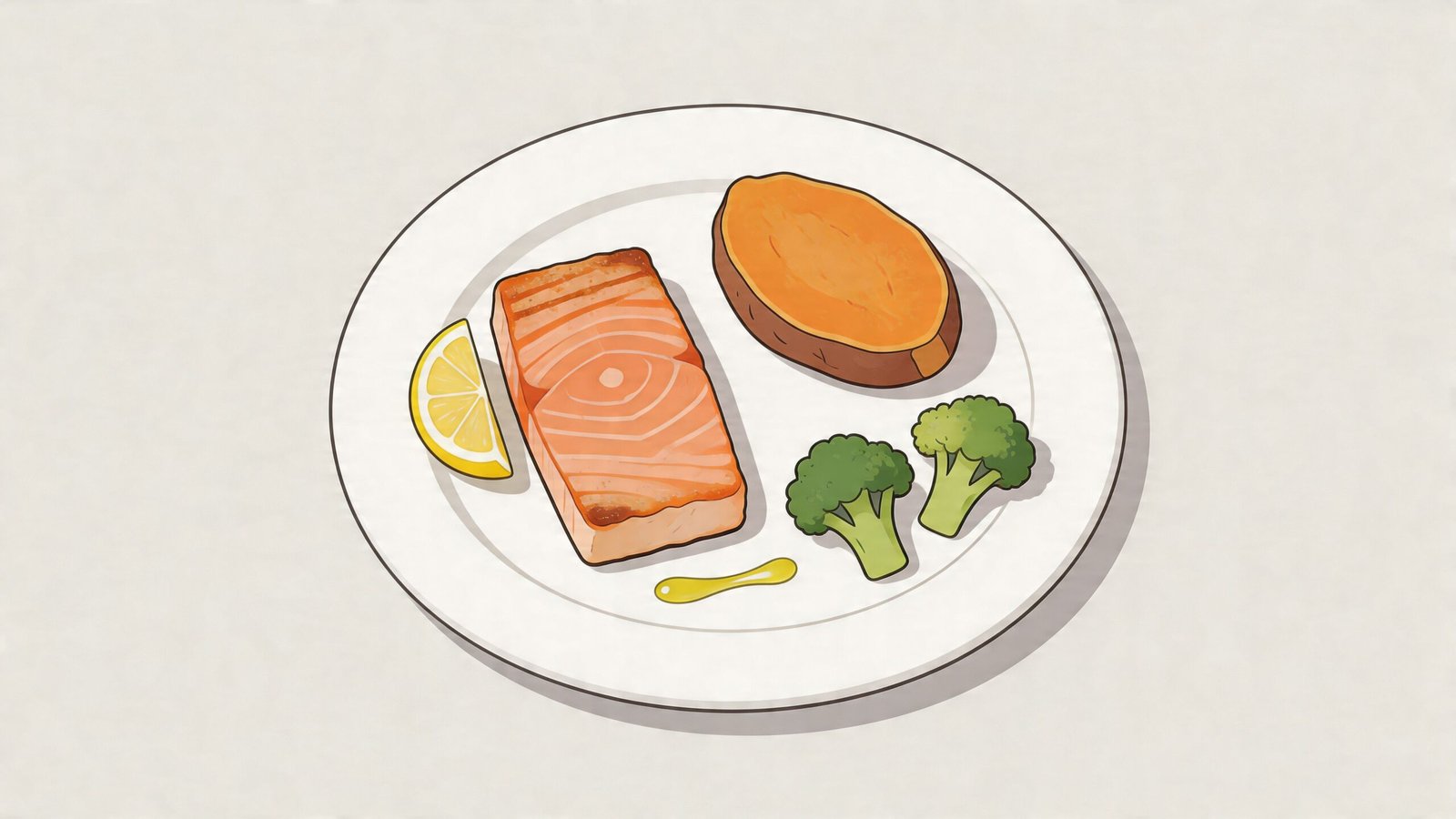
Salmon has more flavor and richness than very lean proteins, which helps a 1200-calorie dinner feel satisfying without a lot of extras. Paired with sweet potato and broccoli, it gives you a plate that looks and feels like a real meal.
A smarter dinner for nights when appetite is high
This meal works because each part does a different job. Salmon brings protein and enough fat to improve flavor. Sweet potato gives you the starch that makes dinner feel complete. Broccoli adds bulk, which matters on a lower-calorie target.
There is a real trade-off here. Salmon is usually more satisfying than very lean fish, but calories can climb fast if the fillet is large or oil is poured freely. The practical fix is to weigh the salmon once, accurately log the oil, and keep the rest of the plate simple.
A few details make this easier to repeat:
- Roast or air-fry the salmon just until it flakes: Dry salmon is one of the fastest ways to stop wanting this meal.
- Microwave the sweet potato if time is tight: A dinner you can make in 10 minutes is more useful than a perfect one you skip.
- Season the broccoli aggressively: Lemon, garlic powder, chili flakes, or a little broth go further than extra butter.
- Build and save the plate in PlateBird after one careful entry: Use a clear name like “salmon, sweet potato, broccoli” so it is easy to find on busy nights.
- Create two saved versions if your portions change: One for a lighter dinner, one for a training day or a hungrier evening.
PlateBird is especially useful here because salmon portions are rarely as consistent as people assume. One fillet can be modest, another can be restaurant-sized. Logging by weight the first time gives you a repeatable template, and that is what makes tracking sustainable.
6. Greek Yogurt Protein Bowl with Granola, Honey, and Almonds
Some people do better with a savory breakfast. Others want something cold, quick, and easy to eat between meetings. This bowl is for the second group.
Greek yogurt, berries, granola, honey, and almonds give you crunch, sweetness, and enough substance to work as breakfast or a light meal. It’s especially useful when you’re tired of eggs but still need something structured.
The trade-off to respect
This meal is easy. It’s also easy to underestimate. Granola, almonds, and honey can turn a modest bowl into a calorie bomb if you build it by mood instead of by portion.
Commercial 1,200-calorie meal programs highlight a different lesson that applies here: plans that keep fiber and protein higher tend to be easier to stick with than generic low-calorie recipes built mostly around deprivation, and variety plays a big role in keeping people engaged (Healthy For Life Meals 1200-calorie traditional plan). A yogurt bowl works because it gives you variety in texture and flavor without demanding much time.
Try these adjustments if you want it to work long term:
- Weigh the granola: Bowls make portions look smaller than they are.
- Add the crunch at the end: Granola stays crisp instead of going soft.
- Layer it in a clear container: Visual appeal is more impactful than often realized.
- Use berries for volume: They help the bowl feel bigger without much effort.
If you tend to snack at night, a well-built yogurt bowl earlier in the day often works better than a tiny breakfast that leaves you playing catch-up.
PlateBird’s photo logging is useful here because layered foods are easy to repeat visually. A quick photo before mixing gives you a clean diary record and makes the bowl easier to recreate.
7. Lean Beef Stir-Fry with Brown Rice and Mixed Vegetables
You get home hungry, you want takeout, and a sad diet dinner will not cut it. Lean beef stir-fry earns its place in a 1,200-calorie plan because it feels like real food, has enough savory flavor to satisfy, and can be portioned with precision.
Use lean beef, brown rice, and a high-volume mix of vegetables such as broccoli, snap peas, onions, and bell peppers. Season hard with ginger, garlic, chili flakes, rice vinegar, or a small amount of low-sodium soy sauce. Keep sesame oil measured, not free-poured. That is usually the difference between a controlled dinner and one that runs long on calories.
Why this one keeps people on plan
Beef brings a different kind of satisfaction than chicken breast, especially at dinner. For some people, that matters more than recipe variety. If a meal reduces the urge to order takeout later in the week, it is doing more than hitting macros. It is protecting adherence.
The trade-off is straightforward. Beef can fit well in a calorie-controlled day, but sauces and oils are where stir-fry meals usually drift off target. Brown rice helps make the plate feel complete, yet the portion has to stay intentional. A modest scoop paired with plenty of vegetables usually works better than trying to build the meal around rice.
A few practical moves improve this recipe fast:
- Slice the beef thin against the grain: It cooks quickly and feels tender even with leaner cuts.
- Batch the rice in advance: A pre-portioned container removes guesswork on busy nights.
- Cook the vegetables in stages: Hard vegetables first, quick-cooking ones last, so nothing turns watery.
- Measure sauce once: Stir-fry sauce is easy to overuse because it spreads across the whole pan.
- Finish with aromatics: Garlic, ginger, and scallions give more payoff than extra oil.
One more real-world point. A 1,200-calorie diet gets harder when meals feel skimpy, repetitive, or bland. This dish solves that by giving strong flavor and chew, which often helps people stay consistent without feeling punished.
PlateBird is especially useful with stir-fry because mixed dishes are notoriously easy to undercount. The first time you make it, log beef, rice, vegetables, and sauce as separate entries or snap a photo before everything is tossed together. After that, save it as a repeat meal inside PlateBird. You get a faster logging routine, and your calories stay anchored to an actual portion instead of a rough guess.
8. Tuna Salad Lettuce Wraps with Whole Grain Crackers
It is 12:30, your next meeting starts in 15 minutes, and lunch needs to be fast enough that you will eat it. Tuna salad lettuce wraps solve that problem better than a lot of prettier meal ideas.
Use tuna, plain Greek yogurt, chopped celery or red onion, a little mustard or lemon, and sturdy lettuce leaves. Add a measured portion of whole grain crackers on the side. You get protein, crunch, and enough texture contrast that lunch does not feel like diet food.
Best for busy weekdays
This works well on low-energy days because there is almost no cooking and very little cleanup. It also helps people who skip lunch, get too hungry by late afternoon, and then lose control around snacks or dinner.
The trade-off is straightforward. Tuna salad can swing from light to calorie-dense fast if mayo, mix-ins, or crackers are added casually. Keeping the ingredient list tight makes the meal easier to repeat and easier to track.
A few details make a real difference:
- Drain the tuna well: Less water means a firmer filling that stays inside the lettuce.
- Use Greek yogurt for most of the binder: It keeps the mixture creamy while holding calories down.
- Season aggressively: Lemon juice, black pepper, mustard, dill, and a little salt do more for flavor than extra dressing.
- Choose lettuce that can hold shape: Butter lettuce works well, but romaine leaves are better if you need more structure for packing.
- Pre-portion the crackers: The side gets out of hand quickly if you eat from the box.
PlateBird is useful here because this meal is usually built from repeat ingredients. Log tuna, yogurt, and crackers once, then save it as a custom lunch so weekday tracking takes seconds. When following a 1200-calorie plan, reducing friction is more valuable than building a perfect spreadsheet for lunch.
1200-Calorie Recipe Comparison: Nutrition & Highlights
| Dish | Complexity 🔄 | Resources & Cost 💡 | Speed & Convenience ⚡ | Expected Outcomes 📊 | Ideal Use Cases ⭐ |
|---|---|---|---|---|---|
| Grilled Chicken Breast with Roasted Vegetables and Quinoa | Moderate, grill/roast + portioning | Basic kitchen tools; quinoa slightly higher cost; scale recommended | ~25 min; meal-prep friendly; moderate portability | High protein (~45g); balanced macros; stable blood sugar | Muscle-preserving weight loss; meal-prep for fitness |
| Mediterranean Chickpea Salad with Feta and Olive Oil Vinaigrette | Low, mostly assemble; optional chickpea batch-cook | Minimal tools; canned or dried chickpeas; feta and olive oil add cost/calories | Quick (5–10 min); dressing stored separately; portable | Moderate protein (~12g); high fiber; heart-healthy fats & antioxidants | Vegetarian/Med-diet plans; heart-health and office lunches |
| Egg White Scramble with Whole Wheat Toast and Berries | Low, simple stovetop cooking | Very low-cost staples; toaster; measure almond butter | Very fast (<10 min); best as warm breakfast; limited portability | High protein (~32g); very satiating; sustained morning energy | Busy mornings, intermittent fasting, bodybuilding breakfasts |
| Turkey Meatballs with Marinara Sauce and Zucchini Noodles | Moderate, meatball prep + spiralizing | Requires spiralizer or knife skills, oven; turkey affordable; parmesan needs measuring | 20–30 min; batch-friendly; reheating recommended | High protein (~42g); low-carb alternative; satisfying volume | Low-carb/keto adaptations; meal-prep comfort-food swaps |
| Salmon with Sweet Potato and Steamed Broccoli | Low–Moderate, bake/steam and weigh portions | Oven/steamer and kitchen scale; salmon cost higher but nutrient-dense | ~20 min; quick dinner; less portable | High protein (~38g); rich in EPA/DHA; anti-inflammatory & cognitive benefits | Cardio/brain health plans, prenatal/postpartum, recovery-focused diets |
| Greek Yogurt Protein Bowl with Granola, Honey, and Almonds | Very low, assemble only | No-cook; granola and almonds calorie-dense, scale advised | Extremely fast (~2 min); highly portable | Moderate protein (~28g); probiotics & sustained energy; calorie-dense add-ins | On-the-go breakfasts, gut-health focus, quick snacks |
| Lean Beef Stir-Fry with Brown Rice and Mixed Vegetables | Moderate, stir-fry timing + rice cooking | Stove/pan or wok; brown rice prep; sesame oil and beef moderate cost | ~25 min; quick weeknight meal; warm-only | Good protein (~35g); heme iron, zinc, B-vitamins; sustained energy | Iron-deficiency recovery, meat-eaters, hearty weeknight dinners |
| Tuna Salad Lettuce Wraps with Whole Grain Crackers | Very low, no-cook assembly | Minimal tools; canned tuna inexpensive; Greek-yogurt mayo lowers calories | Very fast (<5 min); highly portable and shelf-stable | Very high protein density (~36g); low-calorie; efficient for fat loss | Aggressive cutting phases, office/travel lunches, budget meal-prep |
Your Action Plan for a Sustainable 1200-Calorie Journey
It’s 6:15 p.m., you’re hungry, and the day has already gone off script. That is the moment a 1200-calorie plan either holds up or falls apart. The meals in this list work best when they reduce decisions, keep portions clear, and take little effort to log in PlateBird.
A sustainable setup is usually simple. Keep two breakfasts, two lunches, and two dinners in regular rotation. Build them from recipes you already know you’ll eat on busy weekdays, not just on your most disciplined days. Variety matters, but too much variety makes tracking harder and grocery shopping messier.
The primary trade-off is intake versus adherence. A 1,200-calorie target can work for some adults in specific situations, but it is still a low intake. If hunger is constant, energy drops, workouts suffer, or food thoughts start taking over, the plan needs adjustment. Pushing harder rarely fixes that.
A practical system looks like this:
- Repeat meals on purpose: Rotation beats reinvention.
- Measure the calorie-dense parts: Oil, cheese, granola, nuts, dressings, and crackers can change the day fast.
- Use volume strategically: Vegetables, berries, lettuce wraps, and broth-based add-ons help meals feel bigger.
- Track the fast way: The easier logging feels, the more consistent it becomes.
A few habits tend to derail this kind of plan:
- Saving too many calories for late at night: That often leads to overeating when hunger is highest.
- Eyeballing portions: Small misses matter more on a lower calorie budget.
- Choosing “healthy” but unsatisfying meals: If the food feels punishing, adherence drops.
- Building a new menu every day: Decision fatigue is real, especially during a busy week.
For many people, the easiest starting day is straightforward: egg white scramble for breakfast, chickpea salad or tuna lettuce wraps for lunch, then salmon or turkey meatballs for dinner. That gives you protein across the day, decent food volume, and meals that are realistic to prep more than once.
PlateBird is most useful when you treat it like a shortcut, not another task. Save your frequent meals after the first entry. Use a photo when you’re eating something homemade and don’t want to rebuild every ingredient from scratch. If dinner is a repeat from Sunday meal prep, log the saved meal and move on. That habit matters more than chasing perfect precision on every plate.
Household logistics can also break a solid nutrition plan. If your challenge is less about recipe ideas and more about getting food on the table consistently, these meal planning strategies for busy families are useful.
Start smaller than you think. Pick one recipe from this list, make it twice this week, and log it in PlateBird the same way both times. That’s usually enough to turn tracking from a chore into a routine.