- 1. Grilled Chicken Breast with Roasted Vegetables and Quinoa
- 2. Mediterranean Tuna Salad with Whole Wheat Pita
- 3. Turkey and Avocado Wrap with Greek Yogurt Spread
- 4. Shrimp Stir-Fry with Brown Rice and Broccoli
- 5. Chickpea Buddha Bowl with Tahini Dressing
- 6. Greek Yogurt Lunch Bowl with Granola and Berries
- 7. Egg Salad Sandwich on Whole Grain Bread with Vegetables
- 8. Lean Beef Lettuce Wraps with Cauliflower Rice
- 400-Calorie Lunches: 8-Item Comparison
- Make Your Lunch Work for You, Not Against You
Tired of staring at a lunch that looks healthy but leaves you hungry an hour later? That's a common problem with midday eating. If you're aiming for lunch near 400 calories, you need a repeatable setup that tastes good, travels well, and takes almost no effort to track.
A 400-calorie lunch fits mainstream meal planning, not just diet trends. A UK public-health rule of thumb uses 400 calories for breakfast, 600 for lunch, and 600 for dinner inside a 2,000-calorie pattern for women and 2,500 calories for men, while other guidance places lunch in the 500 to 700 calorie range depending on the day and the person (Cosmopolitan UK meal guidance). That matters because lunch is often where people drift. Build the meal with intention, and it becomes much easier to stay on track without feeling deprived.
The best lunches at this calorie level are rarely the prettiest. They are the ones you can prep once, pack fast, and log in seconds with a tool like PlateBird's calorie-counting workflow. If you portion into containers that separate the main components, tracking gets even faster, and meal prep feels less like a chore. The Chef Shop meal prep guide offers practical container options for that kind of routine.
1. Grilled Chicken Breast with Roasted Vegetables and Quinoa
A lunch like this works because it solves the usual midday problems at once. Grilled chicken gives you a clear protein base, quinoa adds a controlled carb portion, and roasted vegetables bring volume without pushing the meal into heavy territory. The result fits the kind of 400-calorie meal template that many people use, where protein, carbs, and vegetables stay balanced enough to feel complete without turning lunch into a chore.
A practical plate is 3.5 oz grilled chicken breast, 1 cup roasted mixed vegetables, and ½ cup cooked quinoa. That combination stays close to the target and still feels like real food, which matters if you want lunch to hold you through the afternoon instead of leaving you hunting for snacks an hour later. It also suits different routines, whether you train during the week, spend most of the day in meetings, or just want something that reheats well and still tastes fine.
Why it works in real life
Chicken stays dependable if you keep an eye on the cook time. Roast it at a moderate oven temperature and let the vegetables cook on the same tray with parchment paper, so cleanup stays simple and the meal does not create extra work.
Practical rule: Keep dressing separate until you eat. That small step helps preserve texture, especially when lunch is packed the night before.
For logging, this meal is easy to enter in PlateBird. Save a shortcut such as “chicken quinoa roasted veg” after the first entry, then reuse it the next time lunch comes up. If you meal-prep on Sundays, portion the chicken and quinoa right away, then take one photo of the finished container and use that log for the rest of the week.
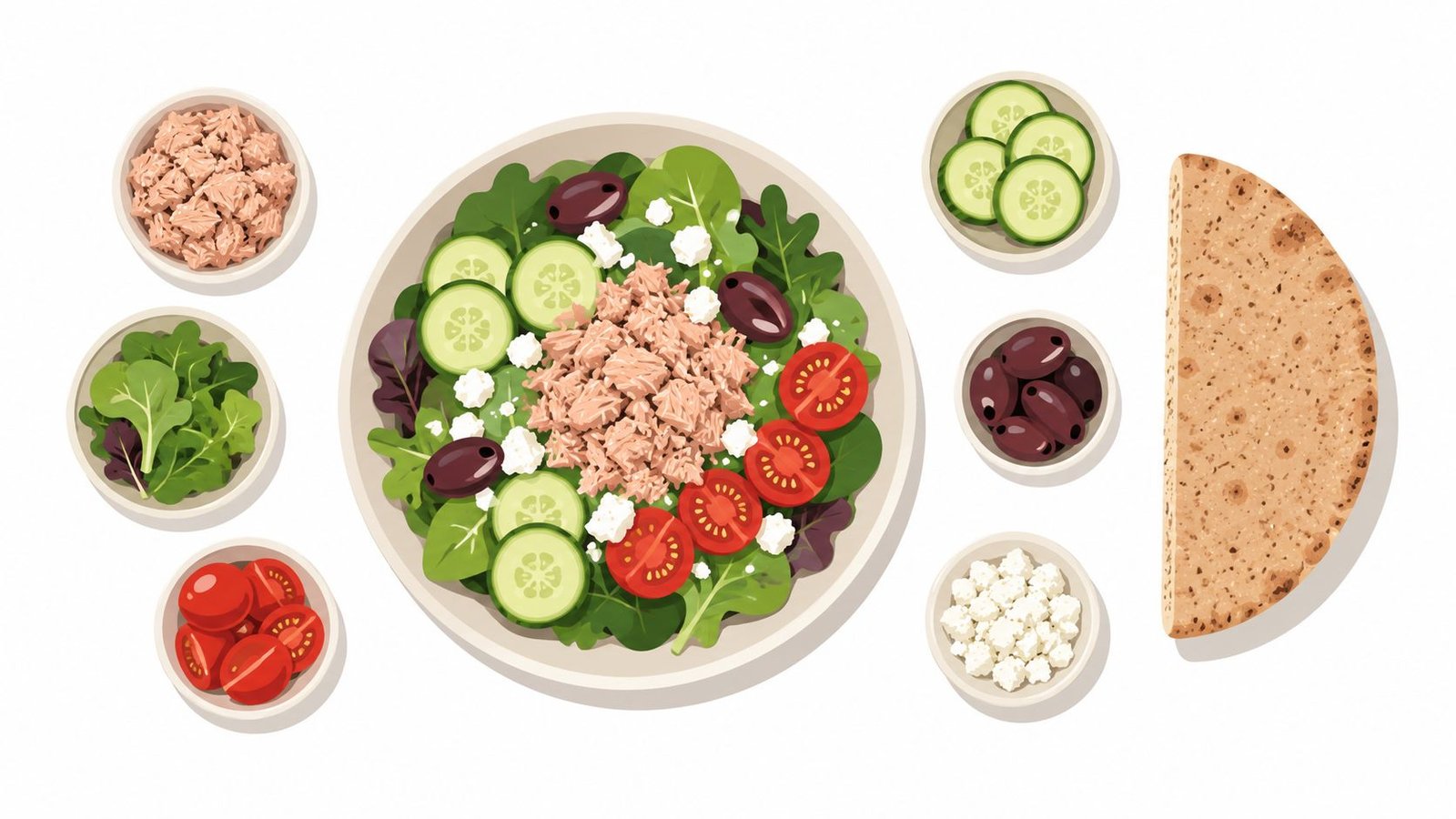
2. Mediterranean Tuna Salad with Whole Wheat Pita
Some lunches work because they don't ask much of you. Tuna salad is one of them. It's fast, cold, portable, and easy to keep in the office fridge without turning into a science project by noon.
The base here is simple, canned tuna in water, greens, chopped cucumber and tomatoes, a little feta, olives, and an olive-oil dressing, with a whole wheat pita on the side. The appeal is that you get a strong savory profile without needing a stove, microwave, or a long ingredient list. For people who eat at a desk, that matters more than another “perfect” recipe.
Keep the flavor, cut the friction
Use low-sodium tuna if you're making this often, because salty lunches are easy to overdo when you're eating out of the same container every day. Fresh dill or parsley helps the bowl taste brighter without adding tracking hassle. If your pita runs bigger than expected, swap to a smaller one and keep the salad volume high.
- Pack dressing separately: This keeps the greens crisp and prevents a soggy lunch.
- Use the photo log once: PlateBird can identify the salad components from a quick snapshot, which is especially useful when lunch is mixed but still visually clear.
- Make the pita the carb, not the bonus: That's the easiest way to stay near your target without overfilling the meal.
If you batch this for workdays, meal-prep it the efficient way by portioning the tuna mixture into containers and adding the pita at the very end. That one step keeps the meal from turning into mush by Thursday.
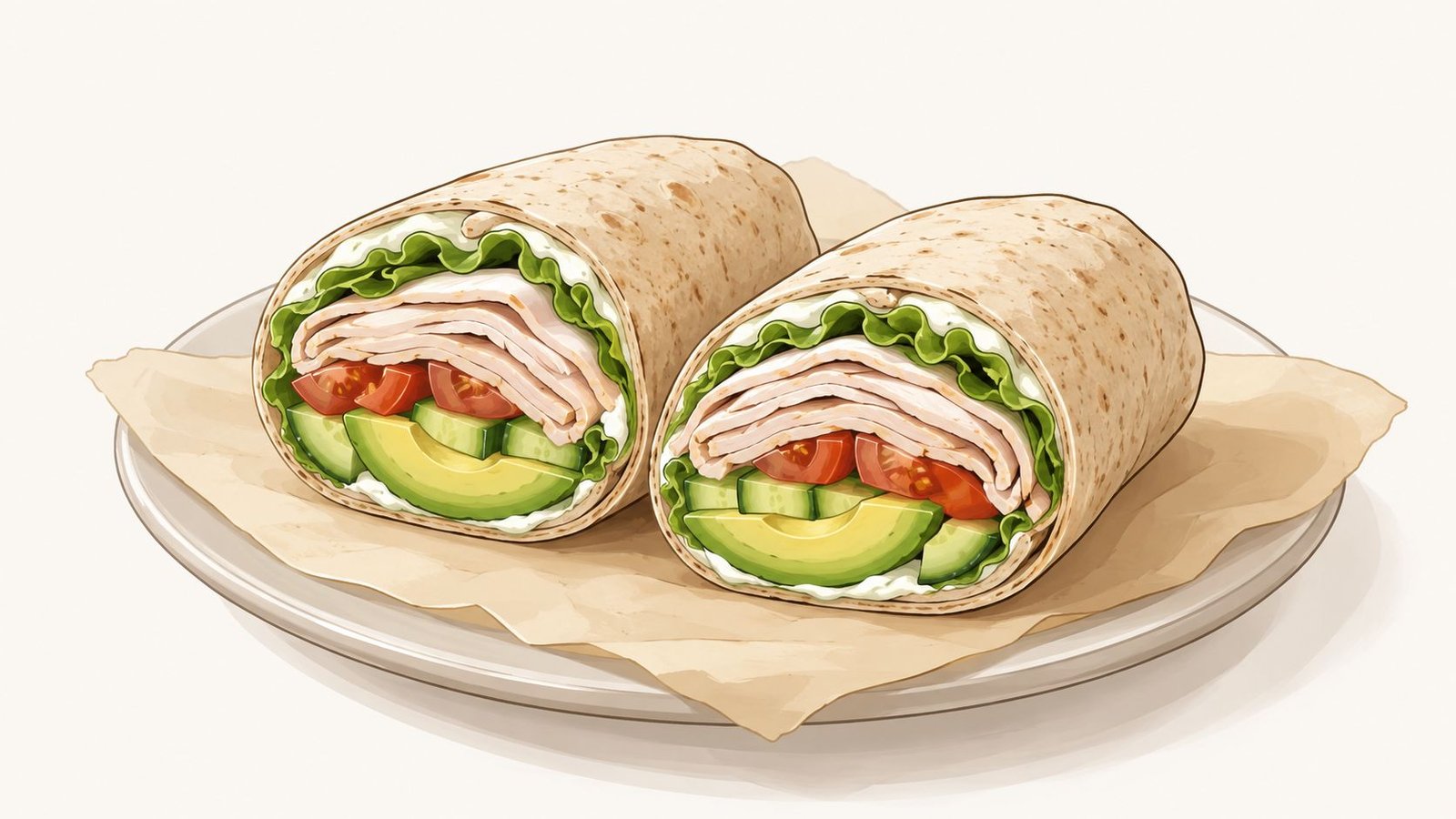
3. Turkey and Avocado Wrap with Greek Yogurt Spread
Wraps solve a problem bowls don't, they're easier to eat on the move. If your lunch happens in the car, at a standing desk, or between calls, a well-built turkey wrap is often more realistic than a fork-and-container setup.
The smart move is to use turkey as the main protein, then replace heavy mayo with a Greek yogurt and mustard spread. Add a little avocado for richness, lettuce for crunch, and tomato or cucumber for moisture. This is the kind of lunch that feels more indulgent than it is because the wrap format delivers structure and portability.
Build it so it survives the commute
The biggest mistake with wraps is overfilling them. Too much avocado, too much sauce, or too much wet tomato, and the wrap falls apart before lunch even starts. Keep the avocado closer to eating time if you can, then roll the tortilla tightly in foil or parchment so the wrap holds its shape.
A few details make a difference.
- Choose sturdy tortillas: Thin wraps tear, especially once they sit in a lunch bag.
- Use mustard for punch: It adds a sharp flavor that makes the lighter spread taste more satisfying.
- Add hot sauce if you want more character: Heat gives the wrap personality without forcing extra ingredients into the log.
PlateBird works well here because this is one of the simplest lunches to reuse. Save “turkey wrap” as a preset the first time, then treat it like a one-tap repeat lunch for the rest of the week. That's the kind of shortcut that keeps calorie tracking realistic on busy days.
4. Shrimp Stir-Fry with Brown Rice and Broccoli
A shrimp stir-fry is a practical lunch for days when you need something hot without spending much time at the stove. Shrimp cooks fast, which makes it a good fit for leftover rice, a bag of frozen broccoli, or any other vegetables you already have on hand. If dinner prep ran long the night before, this is one of the easiest ways to turn leftovers into a lunch that still feels planned.
The base formula stays simple, shrimp, broccoli, brown rice, plus a small amount of sesame oil, soy sauce, and ginger. That mix gives you protein, a controlled starch portion, and vegetables with enough texture to keep the meal from feeling bland. It also fits the same practical 400-calorie structure used in many high-protein lunches, with a lean protein, a modest carb, and low-calorie vegetables doing the heavy lifting.
Best use case: This is the lunch I'd choose when I want something warm, filling, and fast enough to make before I decide to order delivery.
Timing matters more than technique here. Shrimp only needs a short cook, so the rice and broccoli should already be ready, or at least reheated and waiting. Batch-cooked brown rice makes this kind of lunch much easier during the week, because you can move straight from skillet to bowl instead of starting from zero. Frozen broccoli works fine too, as long as you keep the sauce light and avoid turning the pan into a soupy mess.
Logging this meal should take almost no time. A quick photo in PlateBird is usually enough to capture the shrimp, rice, and broccoli together, which is faster than entering each ingredient after a long day. If you keep the sauce consistent, the meal becomes even easier to track because the portions stop changing from day to day. For a useful sourcing reference on seeds and add-ins, the B2B guide to bulk hemp sourcing can help if you want to keep a small, repeatable pantry set for lunches like this.
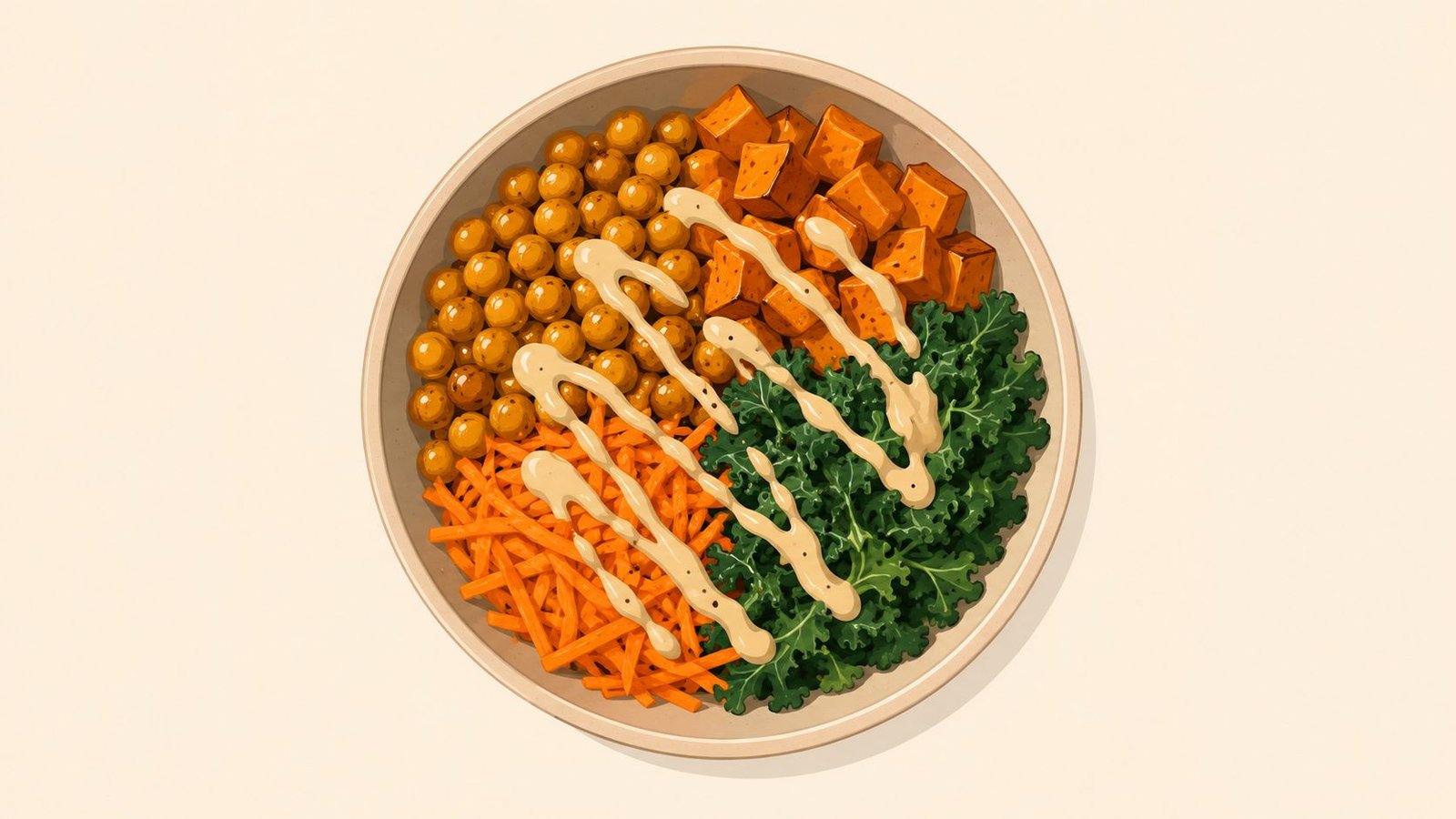
5. Chickpea Buddha Bowl with Tahini Dressing
Vegetarian lunches need more thought if you want them to stay satisfying inside a calorie target. Chickpeas help because they bring body, fiber, and enough substance that the bowl doesn't feel like a side dish pretending to be lunch. Add roasted sweet potato, kale, carrots, and a measured tahini dressing, and you get a bowl that eats like a real meal.
This style works especially well if you're trying to reduce reliance on animal protein without ending up hungry at 2 p.m. The bowl format also gives you plenty of flexibility, since you can swap the greens, change the roast vegetables, or change the seasoning while keeping the structure intact.
Make it richer without making it heavier
The bowl gets its character from the dressing, so don't wing the tahini. Mix it with lemon juice and water so it spreads instead of clumping. If you want more protein density, add hemp or pumpkin seeds, but keep the handful controlled because small add-ons can change the whole calorie picture.
- Use canned chickpeas when time is tight: Rinsing them well saves prep time and gives you a better texture.
- Roast vegetables on a sheet pan: Sweet potato and carrots become much better when they're browned, not steamed.
- Make dressing in bulk: A batch of tahini dressing holds up well in the fridge and keeps weekday lunches simple.
If you're trying to move lunch prep into autopilot, this is a strong candidate for a saved shortcut like “chickpea sweet potato kale bowl” inside PlateBird. That way, you don't need to rebuild the same meal from scratch every time you repeat it. The bulk hemp sourcing guide can be useful if you regularly stock seeds for topping bowls, but the bowl itself works fine even without extras.
6. Greek Yogurt Lunch Bowl with Granola and Berries
Not every lunch has to look like lunch. For some people, a yogurt bowl is the easiest way to stay on track because it's fast, cold, and naturally portioned. It also works well when you want something lighter than a wrap or grain bowl but still need enough protein to make the afternoon manageable.
The appeal here is protein density. Greek yogurt gives you a strong base, berries add freshness, granola adds crunch, and a measured spoon of almond butter rounds out the flavor. In the right proportions, you get a lunch that feels almost like breakfast, which is exactly why some people can repeat it more often than a savory meal.
PlateBird's yogurt protein guide is useful here if you want to sanity-check the protein base before you build the bowl.
Keep the toppings honest
This lunch goes wrong when granola turns from garnish into half the bowl. Keep the topping measured and treat almond butter like a flavor accent, not an afterthought. If you prefer a sweeter finish, cinnamon does a lot of work without making the meal messy or harder to track.
A few practical habits help.
- Choose unsweetened yogurt: It keeps the base flexible and cuts down on hidden sugar.
- Add berries right before eating: That protects texture and keeps the bowl from getting watery.
- Use one spoon, not free-pouring: Granola and nut butter are the easiest ingredients to overdo.
PlateBird is especially useful with this meal because the ingredient list is short and visually distinct. A quick log like “Greek yogurt berry granola” gets you most of the way there, which is exactly what you want when lunch takes less time to make than to analyze. If you like breakfast-for-lunch, this is one of the easiest ways to keep the habit sustainable.
7. Egg Salad Sandwich on Whole Grain Bread with Vegetables
Egg salad gets overlooked because people associate it with cafeteria food or bland deli sandwiches. That's a mistake. When you tighten up the ingredients and use Greek yogurt instead of heavy mayo, it becomes one of the most practical lunches in the whole rotation.
Two hard-boiled eggs, mustard, dill, and a yogurt-based spread give you a creamy filling that still feels structured. Whole grain bread adds enough substance to make the lunch feel complete, while tomatoes and cucumber on the side keep the meal from feeling dry or one-note. For budget-minded meal prep, this is one of the most reliable options.
Make it taste like lunch, not leftovers
The biggest advantage is how easily you can batch it. Boil several eggs at once, chill them, and keep the filling base ready in the fridge. Then all you have to do is assemble the sandwich and add the vegetables. If you want more flavor, celery or capers help without making the log complicated.
Simple rule: If you use a bread that's too airy or too large, the sandwich stops being a 400-calorie lunch and turns into a guessing game.
That's where tracking discipline matters. Use whole grain or sprouted bread when you can, but verify the package because bread varies a lot. PlateBird makes this less annoying because once you've entered “egg salad sandwich” once, you can save it and stop rebuilding the same lunch every week. If you're feeding a family or packing lunch before a long workday, that shortcut is worth more than another fancy recipe.
8. Lean Beef Lettuce Wraps with Cauliflower Rice
This is the low-carb lunch for people who want something savory and substantial without leaning on bread or rice. Lettuce wraps keep the texture fresh, lean ground beef keeps the meal satisfying, and cauliflower rice gives you volume without pushing the plate too far.
The flavor profile is flexible. Garlic, ginger, and soy sauce lean Asian-inspired, while peppers and mushrooms bring more color and bite. It's the kind of lunch that works when you're trying to stay focused on protein and keep carbs lower without eating a tiny portion that leaves you raiding the pantry later.
Make the texture do the work
Butter lettuce gives you sturdier wraps than flimsy greens, and frozen cauliflower rice saves a noticeable amount of prep time. Brown the beef in advance if you can, then portion it with the vegetables so assembly feels effortless. The less work lunch requires, the more likely you are to repeat it instead of drifting into takeout.
If you like seeing the entire meal at a glance, photo logging helps a lot here. PlateBird can identify the beef, lettuce, and cauliflower rice from a finished plate, which is faster than typing ingredients after you've already started eating. That matters because the best lunch is the one you record, not the one you intended to make.
400-Calorie Lunches: 8-Item Comparison
| Item | Implementation Complexity 🔄 | Resource Requirements 💡 | Speed / Efficiency ⚡ | Expected Outcomes 📊 | Ideal Use Cases ⭐ | Key Advantages |
|---|---|---|---|---|---|---|
| Grilled Chicken Breast with Roasted Vegetables and Quinoa | Moderate, basic grilling/roasting (25–30 min) | Oven/grill + quinoa, chicken, mixed vegetables | Moderate ⚡, batch-cooks well | High protein, balanced macros, sustained satiety 📊 | Meal prep, fitness-focused lunches ⭐ | High protein, customizable, meal‑prep friendly |
| Mediterranean Tuna Salad with Whole Wheat Pita | Very low, no cooking, 5 min assembly | Minimal, canned tuna, fresh veg, pita | Very fast ⚡, assemble in minutes | Omega‑3 rich, moderate protein, heart‑healthy 📊 | Desk lunches, no-heat workplaces ⭐ | Convenient, shelf‑stable, nutrient‑dense |
| Turkey and Avocado Wrap with Greek Yogurt Spread | Very low, assembly <5 min | Minimal, tortilla, sliced turkey, avocado, yogurt | Very fast ⚡, highly portable | Balanced protein + healthy fats, moderate carbs 📊 | On‑the‑go professionals, travel lunches ⭐ | Hand‑held, portable, easy to track |
| Shrimp Stir‑Fry with Brown Rice and Broccoli | Moderate, active stir‑fry (10 min cook; rice prep separate) | Pan/wok + shrimp, rice, broccoli, aromatics | Very fast ⚡ for cooking; rice benefits from advance prep | High protein, low calorie, iodine‑rich 📊 | Weeknight dinners, quick meal‑prep ⭐ | Fastest cook time for protein; flavorful |
| Chickpea Buddha Bowl with Tahini Dressing | Moderate, roasting or canned chickpeas prep | Oven (or canned chickpeas), tahini, root veg, greens | Moderate ⚡, extra time if cooking chickpeas/sweet potato | High fiber, plant protein, satiating, sustainable 📊 | Vegetarian/vegan, sustainability‑focused, weight loss ⭐ | Vegan, budget‑friendly, high fiber |
| Greek Yogurt Lunch Bowl with Granola and Berries | Very low, assemble only (2 min) | Minimal, yogurt, granola, berries, nut butter | Very fast ⚡, immediate assembly | Very high protein, probiotics, antioxidant boost 📊 | Quick/light lunches, post‑workout recovery ⭐ | High protein, no‑cook, customizable |
| Egg Salad Sandwich on Whole Grain Bread with Vegetables | Low to moderate, hard‑boil eggs in batches | Basic kitchen gear + eggs, bread, Greek yogurt mayo | Moderate ⚡, prep time for boiling eggs | Protein‑rich, budget friendly, filling 📊 | Meal prep, budget‑conscious eaters, weight‑loss plans ⭐ | Affordable, easy batch prep, satisfying |
| Lean Beef Lettuce Wraps with Cauliflower Rice | Low, quick browning (5–7 min) | Skillet + lean ground beef, lettuce, cauliflower rice | Fast ⚡, quick cook; minimal carbs | Very high protein, low‑carb, iron‑rich 📊 | Keto/low‑carb diets, cutting phases ⭐ | Highest protein‑per‑calorie; low carb |
Make Your Lunch Work for You, Not Against You
These eight lunches show that a 400-calorie goal does not have to feel restrictive. It can feel structured, repeatable, and easier than improvising every day. The main advantage comes from the pattern each meal gives you, especially when work gets busy, the fridge looks bare, or you do not want to think hard about food at noon.
Consistency matters more than perfection. A good lunch plan is not about hitting exact macros every time, it is about building meals you can eat, enjoy, and log without friction. That is why the tracking side matters as much as the food side. If you use PlateBird, the fastest routine is a photo or a short note, then a saved shortcut for lunches you make often. Once the app learns your go-to meals, logging becomes part of lunch instead of a separate chore.
Lunch deserves more respect than it usually gets. Adults who eat lunch tend to take in more energy overall, and lunch foods and beverages make up a meaningful share of daily intake, so midday eating shapes the rest of your day whether you plan for it or not.
Pick one of these lunches, prep it once this week, and make it your default for a few days. If it works, save it, photograph it, and reuse it. If you want a friction-light way to keep lunch under control, PlateBird is worth trying for quick photo or plain-English logging that makes calorie tracking stick. The right lunch bag helps too, and the Urban Totes yellow lunch collection gives you a simple way to pack the meals you want to repeat.