- The Bowl That's Never the Same Twice
- What a Cup of Split Pea Soup Contains
- Homemade vs Canned vs Restaurant
- The Five Levers That Move the Calorie Number
- Estimating Your Bowl Without a Scale
- Lower-Calorie Swaps Worth Making
- Logging Split Pea Soup in PlateBird
- Putting It Together for Long-Term Tracking
You log a bowl of split pea soup on a weeknight, feel good about the choice, and move on. Then the next bowl looks the same, tastes almost the same, and somehow lands 150 calories higher in your tracker. That's the part that trips people up, not the soup itself, but the assumption that “split pea soup” means one fixed number.
It doesn't. A 1-cup serving can sit around 165 calories in a generic database, or 209 calories in a more substantial institutional recipe, and that spread already tells you the label is doing more work than the bowl. If your serving is a big, thick 2-cup bowl, you're not logging a snack, you're logging roughly 330 to 418 calories before bread or toppings even enter the picture, based on the verified nutrition data for standard servings (FatSecret's generic split pea soup entry, Chicago Food Bank's split pea soup recipe).
The Bowl That's Never the Same Twice
Split pea soup looks simple from the outside, but it behaves like a recipe-density problem, not a fixed food. One bowl can be thin, brothy, and built mostly on peas and water. The next can be dense, with extra ham, a longer simmer, or a thicker puree that was reduced on the stove.
That's why one generic log entry often fails. A person can enter 180 calories for a weeknight bowl and feel accurate enough, then serve a second bowl that's closer to 340 because the soup cooked down, the ladle was bigger, or the batch had more solids than the first one. The name on the pot stayed the same, but the energy in the bowl changed.
The real logging problem
The issue isn't discipline, it's variability. Public recipe labels show that split pea soup has been treated as a flexible institutional staple for decades, with university and extension recipes in the 2000s to 2020s showing very different calorie densities and fiber levels depending on recipe structure (Princeton University dining label). That's the same soup family, but not the same bowl.
Practical rule: if the soup was cooked by a person, don't assume the last entry still fits.
For weight loss, that matters more than people expect. A bowl that looks “healthy” can still land like a full meal, especially if it's thick and served generously. The fix is to stop treating the soup name as the number and start treating the recipe as the number.
What a Cup of Split Pea Soup Contains
A standard 1-cup serving gives you the most useful baseline, but only if you treat it as a recipe snapshot rather than a fixed truth. Generic nutrition data places split pea soup at 165 calories per cup, with 26.5 g carbs, 8.6 g protein, and 2.92 g fat (FatSecret's generic split pea soup entry). A more substantial institutional recipe lands at 209 calories per cup, with 38 g carbohydrates, 15 g fiber, and 14 g protein (Chicago Food Bank's split pea soup recipe).
That spread is the whole problem. One cup can be fairly broth-heavy and pea-light, while another is thick enough that the solids carry most of the energy. For tracking, the recipe density matters more than the soup name on the label.
Split pea soup usually runs carb-forward, fiber-rich, and moderate in protein. Fat stays low until the recipe brings in oil, butter, cream, or a richer cut of meat. The bowl feels filling because peas and fiber do the work, not because the soup is automatically light.
The practical takeaway is simple: a thin homemade pot usually sits closer to the lower generic entry, while a heavier institutional-style batch moves toward the higher one. Add more fat or meat, and the count climbs again. That is why generic entries can be useful starting points, but they break down fast once the soup gets thick or loaded with extras.
For the carbohydrate side, carbs in split pea soup explains why a cup can feel more substantial than the calorie total suggests. That matters in PlateBird because the type-and-snap workflow works best when you match the bowl to its recipe style first, then log the portion second.
Useful heuristic: if the broth is doing most of the volume work, the cup count matters more. If the peas are doing most of the volume work, the calories climb fast.
For a practical cross-check, use the kind of pot you ate, not the most convenient database entry, and compare it with fueling advice from RoutePrinter coaches if you are trying to keep the rest of the day's intake in range.
Homemade vs Canned vs Restaurant
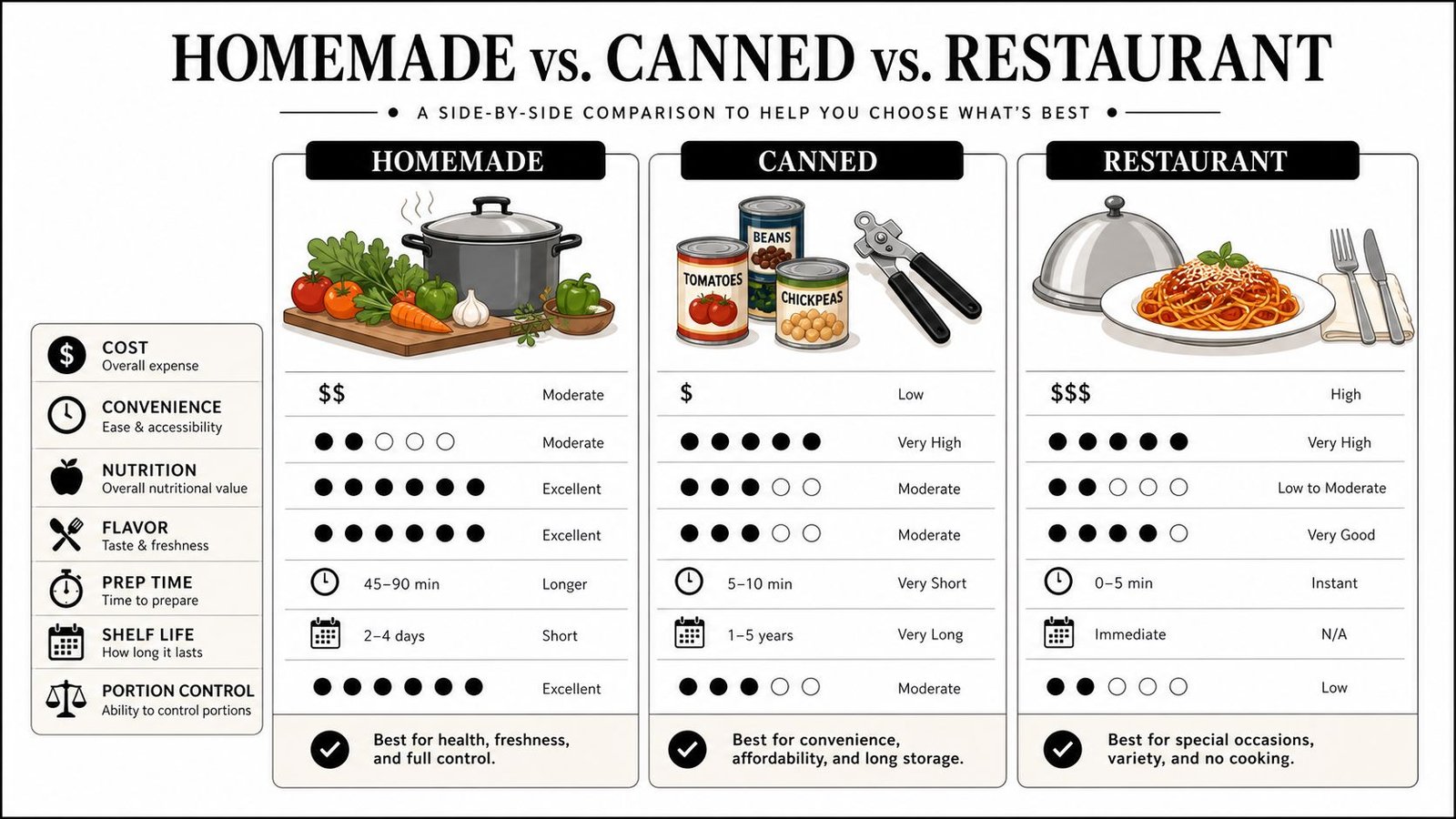
The style of soup is usually the biggest clue to calorie density. A lean homemade pot made with vegetables, broth, and a small amount of smoked meat often sits in a lower range than a deli bowl that's been enriched with extra fat or thicker solids. Canned versions land in the middle more often than people expect, because they're standardized for shelf life, not for your calorie target.
What shifts the number
Homemade split pea soup is the easiest to control. If you keep the pot broth-heavy and use a modest amount of meat, it often stays in a manageable range. Canned soup can still be reasonable, but the label reflects the manufacturer's formulation, not your serving style, so one cup might not match your real bowl.
Restaurant and deli versions are where logging usually goes off the rails. Bigger portions, richer stock, more oil, butter, ham hock, or cream can push the calorie count sharply higher. That's also why the same dish can feel right after a workout and completely different on a low-calorie cut.
For a practical comparison, use the cooking style before you use the database entry. If you're eating a lunch counter bowl, your best guess should usually be higher than a plain homemade cup. If you're eating a homemade vegan pot, it may sit closer to the lower end because the base is mostly peas, vegetables, and broth, like the kind of formula seen in simple plant-based recipes.
If you're planning around a larger daily intake, fueling advice from RoutePrinter coaches is useful context for seeing how a hearty soup fits into a bigger eating day without pretending every bowl belongs in the same calorie bucket.
The Five Levers That Move the Calorie Number
There are five levers that usually decide whether split pea soup feels light or heavy in your tracker. The first is the pea-to-liquid ratio. More peas, less water, and more cooked-down solids mean a denser bowl.
The second lever is added fat. Oil, butter, and rich drippings don't need to be dramatic to matter, because they're calorie-dense and distribute through the whole pot. The third lever is starch, especially potato, which thickens the soup and adds energy even when the bowl still tastes “healthy.”
Ingredients that quietly change the bowl
The fourth lever is the meat choice. A ham hock, diced ham, or leftover holiday meat doesn't just change flavor, it changes how filling the soup feels and how high the calories go. The fifth lever is portion size, which sounds obvious until you realize a typical serving doesn't come from a measuring cup.
A simple way to audit your own pot is to ask which lever changed since the last time you logged it. If the soup cooked longer and thickened, your cup is denser. If you sautéed the vegetables in oil instead of broth, the baseline moved up before the peas even hit the pot.
Kitchen reality: the same pot can move from “side dish” to “full meal” just by reducing water and adding one richer ingredient.
For readers who like checking the broader pattern of metabolism-focused food choices, NexiHerb LLC's top picks for metabolism can provide extra context, but the main point here is simpler. If your split pea soup keeps logging high, it's almost always one of these five levers, not a mystery in the database.
Estimating Your Bowl Without a Scale
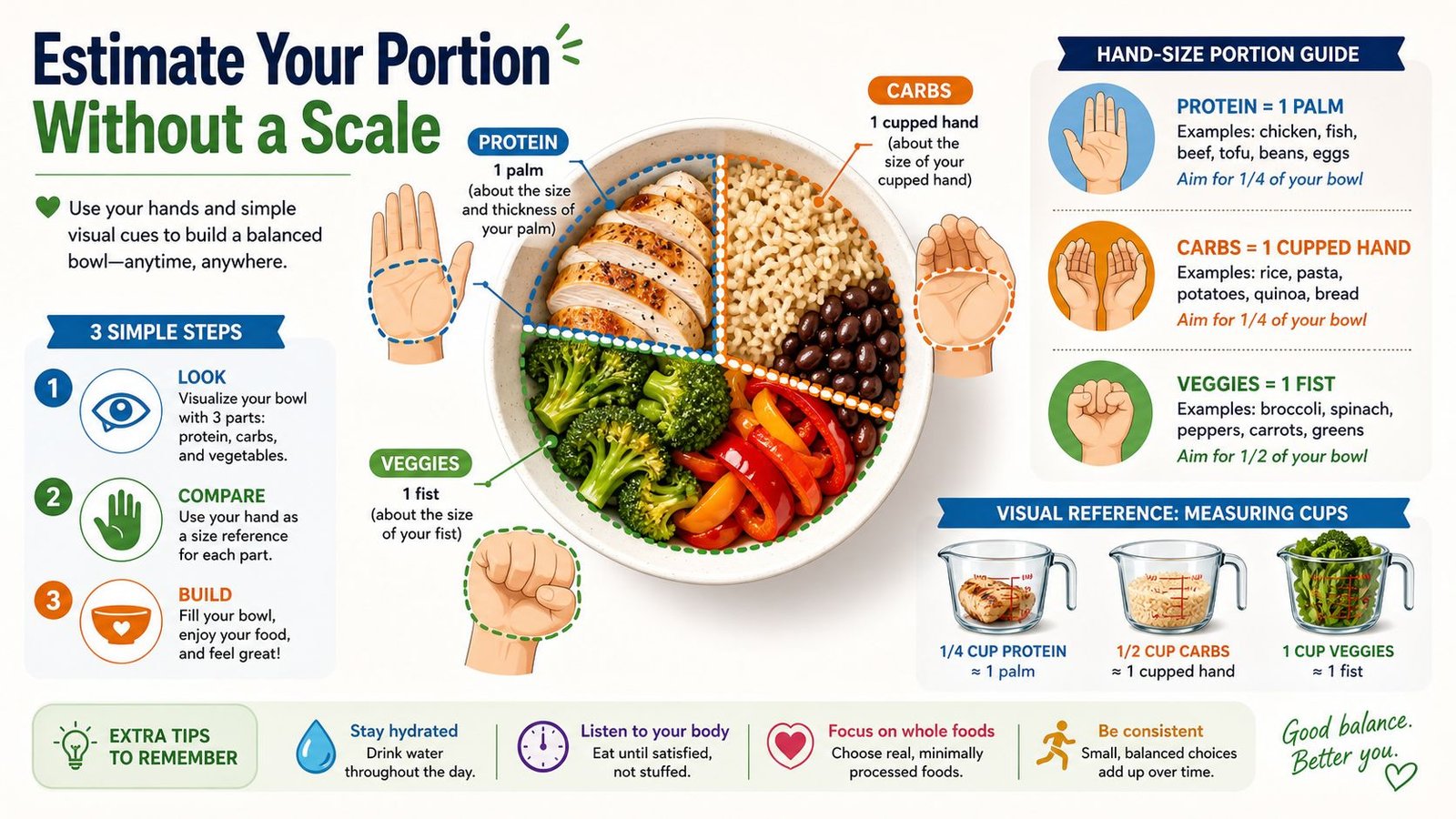
You don't eat split pea soup from a measuring cup, you eat it from a mug, a cereal bowl, or whatever's clean. That means the smartest method is to estimate the vessel first, then apply the per-cup baseline you trust.
A regular coffee mug is often around 1 to 1.25 cups. A cereal bowl can sit around 1.5 to 2 cups. A ladle pour is usually about half a cup. Those aren't perfect measurements, but they're good enough to keep your log honest.
A quick way to log it
Start with the container. If it's a mug, ask how full it is. If it's a bowl, ask whether it looks like one cup, one and a half, or two. Then multiply by the calorie estimate that fits your recipe style, not a random generic entry.
For thick leftovers, a kitchen scale is worth the extra few seconds. Split pea soup can vary a lot in density as it cooks down, so one cup from a thick batch can weigh very differently from one cup of a thinner batch. That's where a scale beats guessing, especially when you're trying to reproduce the same entry later.
For a more complete homemade-food workflow, the guide on how to calculate calories in homemade food is a useful companion when your pot stops fitting a generic entry. And if you're reheating a bowl or serving leftovers, food safety matters too, so this reference on temperature and time for E. coli is worth keeping nearby for practical kitchen context.
Lower-Calorie Swaps Worth Making
You don't need to rewrite the recipe to pull split pea soup back into a tighter calorie budget. One or two swaps usually do the job, especially if your current bowl is drifting from a lunch-sized serving into full dinner territory.
| Swap | What to Replace | Estimated Calorie Savings |
|---|---|---|
| Leaner meat | Ham hock or fatty ham for diced lean ham | Roughly 60 to 90 calories per cup |
| Less added fat | Butter sauté for a light spray of oil | Roughly 40 to 80 calories per cup |
| Less starch | Potato for extra carrots and celery | Roughly 40 to 60 calories per cup |
| Broth choice | Regular broth for low-sodium broth | Calories stay similar, sodium stays easier to manage |
What actually helps on a weeknight
The cleanest win is usually reducing the fat source, because that change is easy to taste and easy to log. Leaner ham keeps the savory profile without dragging the bowl upward as much. Dropping the potato also helps when the soup already has enough body from the split peas.
Use one swap first, not five. That keeps the recipe familiar, and it makes it easier to see which change mattered when you track the next batch. If the bowl still feels too heavy, tighten the portion instead of trying to strip the soup down until it stops tasting like dinner.
That's the trade-off with split pea soup. The most comforting versions are often the densest, and the lightest versions can taste flat if you overcorrect. The goal is a bowl you'll repeat, not a recipe that looks virtuous and gets abandoned after two tries.
Logging Split Pea Soup in PlateBird
The fastest workflow is the one you'll repeat. Type-based logging works well when you know the recipe style, so an entry like “homemade split pea soup with ham, about 1.5 cups” gives the system enough context to estimate both the dish and the portion. Photo logging is even easier when the bowl is in front of you, because a snapshot can capture the soup and any bread or toppings before you start eating.
That matters for soups more than for dry foods. A bowl can change after the first ladle, after a splash of broth, or after you add crackers, so a photo taken first is often the cleanest record. For mixed meals, PlateBird's approach to how PlateBird handles mixed dishes like soups and stir fries is the right mental model, because the bowl is treated as a whole plate, not a label.
Turning one bowl into a shortcut
Once you've logged a homemade recipe a few times, save it as a shortcut. The second bowl of the week should take almost no effort, because the portion and recipe style are already recognized. That's the difference between consistent tracking and logging that falls apart on busy nights.
A good shortcut also reduces guesswork. If your standard soup is always the same pot with the same ladle size, you stop re-deciding every time and just reuse the same entry. That's where the workflow starts to feel less like bookkeeping and more like routine.
Putting It Together for Long-Term Tracking
The long-term answer is consistency, not perfection. Pick a baseline that matches your usual homemade pot, keep one or two lower-calorie swaps in your back pocket, and log by the vessel you used instead of the measure you wish you'd used.
A simple weekly routine works best:
- Choose one baseline: use the recipe style that matches your default pot.
- Adjust once if needed: swap out the richest ingredient before you overhaul everything.
- Estimate the vessel: mug, bowl, or ladle, then apply the right cup estimate.
- Reuse the same entry: don't retype the same soup from scratch every time.
Split pea soup is a great example of why good tracking beats exact guessing. The bowl changes, the pot changes, and the portions change. A number you log every time is more valuable than a perfect number you only capture once.
A CTA for PlateBird.