- 1. Protein Powder Smoothie Bowls
- 2. High-Protein Baked Goods
- 3. Protein Pancakes & Waffles
- 4. Protein Energy Balls & No-Bake Bites
- 5. Protein Pasta & Noodle Dishes
- 6. Protein Overnight Oats
- 7. Protein Chia Pudding
- 8. Protein Ice Cream & Frozen Treats
- 9. Protein Smoothie & Shake Variations
- 10. Protein-Fortified Breakfast Cereals & Granola
- 10-Way Comparison of Protein Powder Recipes
- Make Your Protein Work for You
You bought protein powder to make hitting your macros easier. A few weeks later, the tub is still on the counter, and another plain shake sounds like a chore.
Recipes with protein powder solve that fast. A scoop can make breakfast more filling, turn snacks into something easier to portion, and help desserts fit your day instead of wrecking it. The main trade-off is texture. Some powders bake well but turn oats gummy. Others blend smoothly but taste too sweet once you add fruit or yogurt. Picking the right recipe matters as much as picking the powder.
Tracking matters too. A homemade meal only helps if you can repeat it and log it without guessing. PlateBird keeps that part simple. Type in a meal when you know the ingredients, snap a photo when you're eating something less exact, or save your usual combos as recipe shortcuts so breakfast takes seconds to log next time.
If your go-to add-in is yogurt, it helps to know how much protein is in yogurt before you build the recipe. Small swaps change the macros more than people expect.
If you are still sorting out whey, casein, or plant-based options for cooking, Maximum Health Products' protein guide is a solid starting point. Then use that tub for meals you will want to make again.
1. Protein Powder Smoothie Bowls

Smoothie bowls fix one of the biggest complaints people have about shakes. They’re gone too fast. A bowl slows you down, gives you texture, and feels like a meal instead of a supplement.
The best version starts with less liquid than you think you need. Blend frozen fruit, protein powder, and something creamy like Greek yogurt until it’s thick enough to hold toppings without sinking. Frozen berries with vanilla protein works. Banana, chocolate protein, and almond butter works too. Coconut milk with strawberry protein can be great, but only if your powder isn’t overly sweet.
What works in the blender
Use frozen fruit instead of ice. Ice waters the bowl down and gives you that airy, slushy texture that melts fast.
If you want better staying power, chill the serving bowl before adding the base. Then top with granola, nuts, chia, or berries after blending.
Practical rule: Log the base and toppings separately if your portions change day to day. Granola is where “healthy breakfast” turns into “why are these macros so different?”
For tracking, save your base recipe in PlateBird the first time you make it. Then type in the toppings or snap the finished bowl if you rotate them often. If yogurt is a regular part of your mix, this guide to protein in yogurt helps you choose higher-protein options that make the bowl more substantial.
A smoothie bowl is one of the easiest recipes with protein powder to repeat because the structure stays simple even when flavors change.
2. High-Protein Baked Goods
Sunday afternoon is when baked protein recipes either save the week or waste ingredients. A good batch of muffins or cookies gives you grab-and-go snacks you will eat. A bad batch turns chalky by day two and sits in the fridge until you throw it out.
The biggest mistake is using protein powder like it can replace all the flour. It usually cannot. In practice, baked goods work better when powder plays a supporting role and the base still gets structure from flour, oats, almond flour, or a similar ingredient. Push the powder too high and texture goes fast. Dry middles, tough edges, and that artificial aftertaste are the usual trade-off.
Moisture decides whether these recipes taste homemade or “fitness food.” Banana, pumpkin puree, Greek yogurt, cottage cheese, and applesauce all help. If the batter looks tighter than standard muffin batter, add liquid before it goes in the oven. Protein powder keeps absorbing moisture as it sits, so a batter that seems fine in the bowl can bake up dense.
What tends to bake well
- Vanilla powder: Works best in banana bread, blueberry muffins, oatmeal bars, and sugar-cookie style doughs.
- Chocolate powder: Better for brownies, chocolate muffins, and peanut butter cookies.
- Unflavored powder: Best when you want the cinnamon, fruit, or cocoa to do the heavy lifting.
Banana muffins are a smart starting point because they stay moist and forgive small measuring errors. Baked oatmeal bars are another reliable option for meal prep because they slice cleanly, freeze well, and hold up in a lunch bag. If you want dessert energy without blowing up your macros, Find gourmet dessert ingredients that add flavor in small amounts instead of relying on extra sugar.

For PlateBird, baked goods are worth logging as a full recipe the first time. Add every ingredient once, save it as a recipe shortcut, then log one muffin, two cookies, or one bar by piece count during the week. If your sizes vary because you used a different pan or cut bigger squares than usual, snap a photo with the finished batch before packing it away. That extra step makes portion tracking much more accurate than trying to remember later how many pieces you got.
One more practical rule. Cool baked goods completely before storing them. Trapped steam makes protein muffins gummy, and people often blame the powder when the actual issue is condensation in the container.
3. Protein Pancakes & Waffles
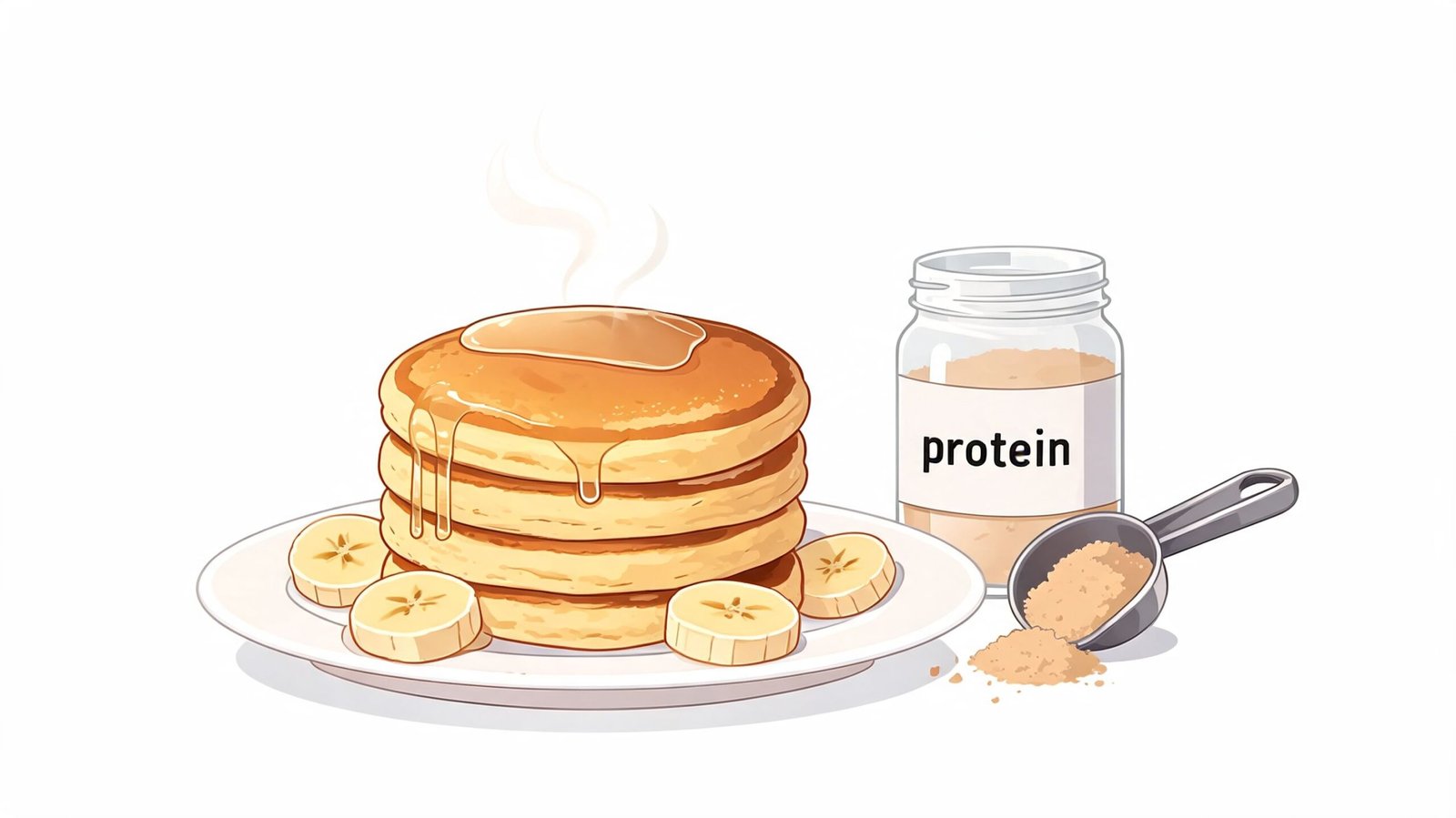
Saturday morning is where a lot of macro tracking falls apart. Pancakes hit the plate, toppings get eyeballed, and breakfast turns into a guess. Protein pancakes and waffles fix that problem well because they feel like a real breakfast, freeze cleanly, and are easy to log once you build a version that cooks consistently.
Texture is the whole game here. Too much powder and not enough starch or fat gives you dry, rubbery pancakes. A better base includes something that softens the batter, like oats, banana, Greek yogurt, or a little flour. I also like letting the batter sit for a few minutes before cooking. That short rest helps the powder hydrate, thickens the mix, and usually improves browning.
Pancakes versus waffles
Pancakes are more forgiving if your batter runs a little loose. Waffles need more structure, or they stick and tear when you open the iron. If I am making pancakes, I can get away with a thinner batter and adjust with a lower heat setting. If I am making waffles, I want a thicker batter and a properly heated iron so the outside sets fast.
A few combinations tend to work better than others:
- Vanilla protein powder: good with banana, cinnamon, pumpkin, or berries
- Chocolate protein powder: better for waffles with cocoa, peanut butter, or espresso flavors
- Unflavored powder: useful when you want the egg, oat, or buttermilk flavor to stand out
For meal prep, waffles usually win. They crisp back up in the toaster better than pancakes and stack neatly in the freezer with parchment between each piece. If you want more ideas for building breakfasts that hold up through the week, PlateBird’s guide to high-protein meal prep strategies is a practical next step.
PlateBird is especially useful with this category because breakfast repeats. The first time, log the full recipe with all ingredients and your usual toppings. After that, use a recipe shortcut or just type something like protein waffles with blueberries and syrup. If you changed the topping amount or grabbed a larger stack than usual, snap a photo before eating. That gives you a quick visual check instead of relying on memory later.
One small tip that saves a lot of frustration. Cook a test pancake first. It tells you whether the batter needs more milk, more oats, or a lower pan temperature before you commit the whole batch.
Presentation helps more than people expect. A measured drizzle of syrup, a spoonful of yogurt, and fruit on top makes a protein breakfast feel less repetitive. If you want plating inspiration, Find gourmet dessert ingredients that show how little extras can make waffles look worth repeating.
4. Protein Energy Balls & No-Bake Bites
You get home hungry, dinner is still an hour away, and grabbing whatever is in the pantry can wreck a solid day of macro tracking. Protein energy balls solve that problem well because they are fast to make, easy to portion, and simple to log once the batch is set up correctly.
The formula is straightforward. Use protein powder for the protein base, nut or seed butter for binding, oats or crisp rice for texture, and dates, honey, or maple syrup if the mixture needs sweetness and a little stickiness. If the dough falls apart, add moisture in small amounts. If it turns pasty, add oats or chill it for 15 to 20 minutes before rolling.
These work best when each piece is the same size. A cookie scoop helps more than people expect. It keeps the bites consistent, which matters if you want one bite today to match one bite next week instead of guessing.
A few practical rules make the batch better:
- Use a scoop, not your hands alone: portion first, then roll
- Chill the mix before shaping: cleaner texture, less sticking
- Line the container with parchment: the bites separate easily in the fridge
- Add mix-ins carefully: mini chocolate chips, coconut, or chopped nuts can throw off texture and macros fast
PlateBird fits this snack category especially well because count-based foods are easy to reuse. Log the full recipe once, divide by the number of bites you made, and save it as a recipe shortcut. After that, you can type one protein bite or two peanut butter protein bites in seconds. If you make a new version and cannot remember whether you grabbed two or three on the way out the door, snap a photo before eating. For a bigger weekly setup, PlateBird’s guide to high-protein meal prep strategies pairs well with this approach.
Flavor matters, but texture decides whether you will keep making them. Peanut butter chocolate is usually the most forgiving because the fat helps the bites stay soft in the fridge. Vanilla cheesecake-style bites can taste great, but they dry out faster and usually need cream cheese, yogurt powder, or a little extra liquid to stay pleasant after a couple of days.
One last trade-off. These are best used as a controlled snack or pre-workout bite, not a meal replacement. They are convenient, but they disappear fast. If you want them to last all week, make the batch slightly less sweet and store it next to more filling staples so you are not treating six bites like lunch.
5. Protein Pasta & Noodle Dishes
Dinner is where protein powder gets tricky. A shake can hide texture problems. Pasta sauce cannot.
Savory recipes work best with unflavored powder, and even then, restraint matters. A small scoop can thicken a creamy sauce or add protein to a blended cheese sauce. Too much turns the whole pan chalky, especially with plant protein. For most pasta dishes, I treat protein powder like a support ingredient, not the main event.
How to keep savory recipes from turning gritty
The easiest fix is temperature control. Whisk the powder into cold milk, broth, or part of the sauce first, then add that mixture to the pan over low heat. If it hits direct high heat, whey can clump and some plant blends can go grainy fast.
For a practical starting point, use it in sauces that already have some body. Alfredo-style sauces, blended cottage cheese sauces, and creamy tomato sauces hide a small amount better than thin broths or oil-based noodles. Bob's Red Mill's guide to cooking and baking with protein powder explains the same general rule. Mix it well first, then fold it into the recipe instead of dumping it in dry.
If you want inspiration beyond sweet recipes, savory meal ideas such as soups, dips, and dinner-style uses show up in Shape's roundup of protein powder recipes. That matters here because pasta and noodle dishes usually work best when the powder disappears into a larger recipe instead of announcing itself.
PlateBird is especially useful for this category because pasta meals are easy to underestimate once they are portioned out. Log the full pot while everything is still in the pan. Snap a photo before you divide it into containers. Then save it as a recipe shortcut with the number of servings you made. The next time you eat it, typing something like "turkey protein pasta" is usually faster than rebuilding the bowl from scratch.
A good trade-off to remember: adding protein powder to pasta can help your macros, but it will not rescue a low-protein dish by itself. The better play is pairing a modest amount of powder with naturally protein-rich ingredients such as chicken, turkey, edamame noodles, cottage cheese, or Greek yogurt in the sauce. That gives you better texture and a meal that still tastes like dinner.
Here’s a simple video reference if you want a visual cooking flow:
6. Protein Overnight Oats
The easiest high-protein breakfast is often the one waiting in the fridge when the alarm goes off. Overnight oats earn their spot for that reason. They take five minutes at night, travel well, and give protein powder a job it handles better than in a lot of baked recipes.
They also make macro tracking less annoying. A standard jar is easy to repeat, which means fewer guess-and-check breakfasts and fewer days where a "healthy" oat bowl turns into an undercounted calorie bomb.
How to avoid the gluey jar problem
Texture is what decides whether overnight oats become a habit or get abandoned after one week. Too little liquid gives you a thick, pasty jar. Too much leaves you with oats floating in thin milk by morning. In practice, the fix is simple. Mix thoroughly, let the oats hydrate overnight, then adjust in the morning instead of trying to force the perfect texture at night.
Greek yogurt helps the mixture stay creamy and adds extra protein without much effort. Vanilla, berry, apple-cinnamon, and chocolate all hold up well here. If your powder is heavily sweetened, use less than a full scoop on the first round. That trade-off matters because oats mute flavor a bit, but they do not hide an artificial aftertaste.
I also get better results by stirring the powder into the milk or yogurt first, then adding the oats and any chia seeds. That cuts down on dry pockets and clumps.
PlateBird fits this meal well because overnight oats are built for repetition. Type the full recipe once if you already know your ingredients. If you meal prep several jars at a time, snap a photo of the batch before they go into the fridge and log the full recipe with the serving count. After that, save it as a recipe shortcut so your usual "vanilla blueberry overnight oats" takes one quick entry instead of rebuilding the jar ingredient by ingredient.
Keep the base consistent. Log toppings separately.
That small habit makes the tracking more honest. Fruit, nut butter, granola, and seeds can swing the calories and macros a lot faster than people expect, especially when the jar itself already feels healthy. For busy workweeks, few recipes with protein powder are as practical, filling, and easy to log accurately.
7. Protein Chia Pudding
Chia pudding sits somewhere between breakfast and dessert, which is part of why it works. If oats feel too heavy and smoothies feel too light, chia can land in a nice middle spot.
Protein powder helps the pudding feel more complete. Without it, chia pudding can end up being mostly texture and toppings. With it, the base has more substance and holds up better as a snack or light meal.
Texture decides whether you love it or hate it
The ratio matters. Too many seeds and the jar turns dense and gelatinous. Too much liquid and the seeds never fully set. Whisking well at the start is essential, and stirring once during the setting window helps distribute the seeds more evenly.
Good flavor pairings are simple. Vanilla with berries, chocolate with banana, coffee with a little nut butter, coconut with tropical fruit. Matcha can work too, but only if your protein powder has a mild flavor and not a strong artificial sweetener finish.
- Blend if needed: If you dislike the seedy texture, blend the mixture before chilling.
- Top later: Fresh fruit and crunchy toppings should go on in the morning.
- Keep the base repeatable: Save one standard jar in PlateBird, then adjust toppings separately.
This is also a strong choice for people who want something cold and prepped ahead but don’t want another oat-based breakfast. It’s less bakery-like than muffins, less meal-like than pasta, and easier to portion than homemade frozen desserts.
When I see people give up on chia pudding, it’s usually because they only tried one bad ratio and assumed the whole category was the problem.
8. Protein Ice Cream & Frozen Treats
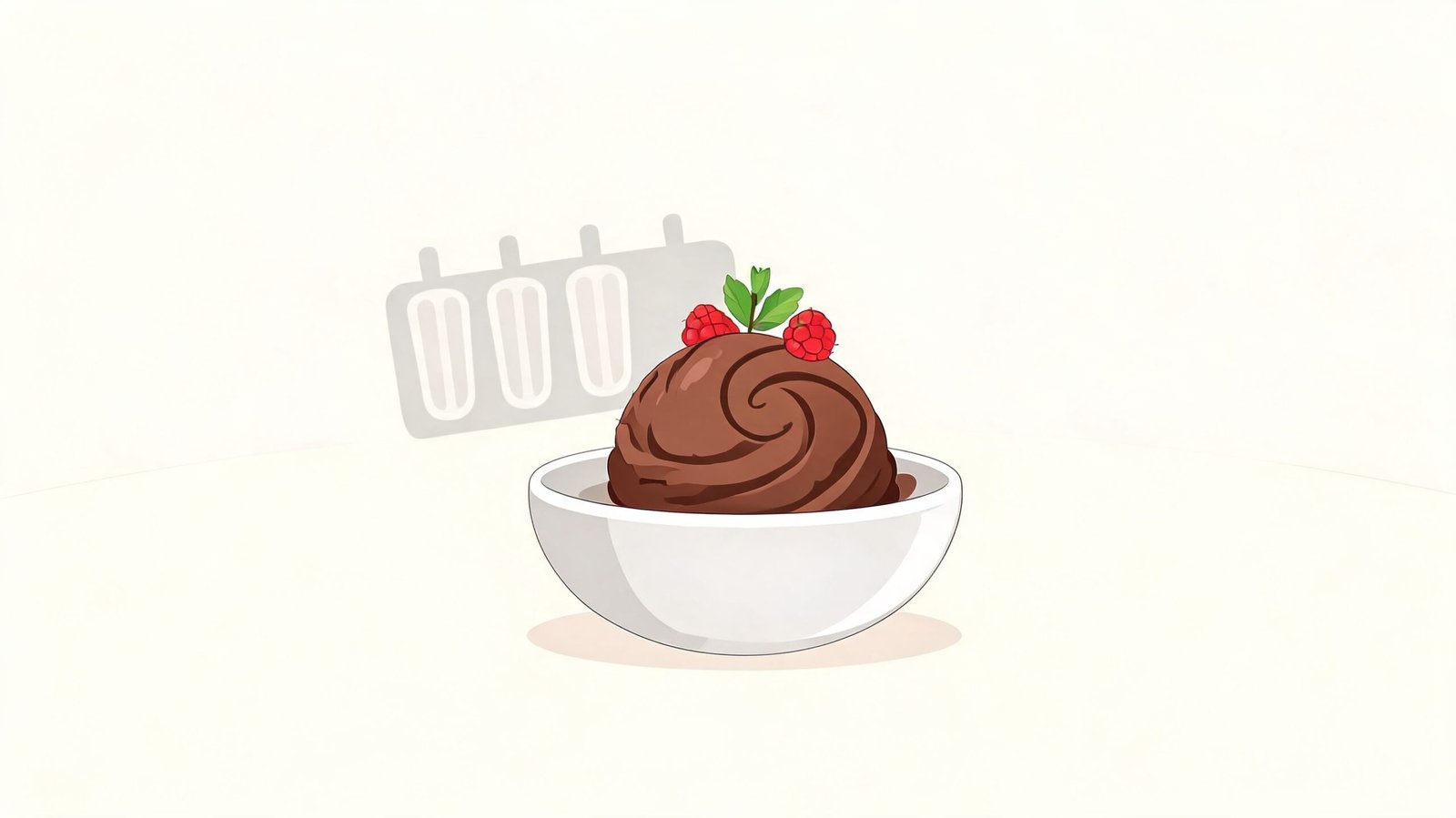
You finish dinner, want something cold and sweet, and do not want to spend the rest of the night picking through snacks. Protein ice cream solves that problem better than a lot of “healthy dessert” ideas because it feels like a real treat, not a backup plan.
A workable base is simple: protein powder, frozen fruit or Greek yogurt, and enough liquid to blend. Frozen banana gives body. Greek yogurt makes the texture thicker and less icy. Xanthan gum can help, but a small pinch is plenty. Too much and the whole batch turns gummy.
Why frozen desserts earn a spot in meal prep
They are easier to portion than a pan of brownies or a tray of muffins. You can freeze single servings in small containers, popsicle molds, or an ice cube tray and blend again later for a softer texture.
They also handle protein powder well. In baked recipes, the powder can dry things out if the ratio is off. In frozen treats, that same powder usually adds structure and makes the dessert more filling. That trade-off matters if you want something that satisfies a sweet craving without turning into a second dinner.
Let the container sit for a few minutes before scooping. Straight from the freezer, protein ice cream is often too firm to enjoy.
For tracking, PlateBird gives you three easy options. If you make the same Ninja Creami pint or yogurt bark every week, save it as a recipe shortcut. If you change toppings often, snapping a photo is usually the fastest way to log what ended up in the bowl. If it is a quick blender mix with standard ingredients, typing it in once and reusing the entry keeps your macros consistent with less effort. That kind of repeatable logging pairs well with a broader plan for getting more protein into your day.
If you want flavor ideas that work for mixed households, these ice cream recipes for families are a useful starting point. Then add protein where it fits the texture, not just where it fits the label.
9. Protein Smoothie & Shake Variations
You get home from training, have ten minutes before the rest of the evening gets away from you, and dinner is still an hour off. That is where a well-built shake earns its place. It is fast, easy to digest, and simple to track if you keep the ingredients consistent.
The shakes that keep you full usually have more structure than protein powder and fruit. Start with a scoop of protein, then add one ingredient for creaminess, like Greek yogurt or milk, and one ingredient that slows digestion, like oats, chia, peanut butter, or frozen banana. The trade-off is straightforward. Thicker shakes feel more like a meal, but they also hide calories more easily if you free-pour nut butter or juice.
Combinations that work in real life
Chocolate banana with peanut butter is reliable after lifting. Vanilla strawberry with Greek yogurt works well as breakfast. Spinach, pineapple, and vanilla is one of the better green options because the fruit covers the grassy taste without turning the whole thing overly sweet.
A shake also gives you more room to adjust texture than most other recipes with protein powder. Add ice and less liquid for something closer to a frappe. Add more milk or water if you want a true drink. If you use casein or a plant blend, expect a thicker finish than whey and adjust liquid first instead of adding extra fruit.
A few practical rules help:
- Blend liquid and greens first: Spinach and kale break down better before frozen ingredients go in.
- Use frozen fruit for body: It thickens the shake without watering it down like extra ice can.
- Measure calorie-dense add-ins: Peanut butter, granola, and honey change the macros fast.
- Salt helps chocolate shakes: A small pinch improves flavor more than another sweetener usually does.
For tracking, PlateBird fits smoothies well because the ingredients repeat. Type your usual shake once and save it as a regular entry if it rarely changes. Snap a photo when the add-ins vary and you want a quick visual log. If you make the same post-workout blend every week, save it as a shortcut and pair it with other practical ways to increase protein intake so your daily target feels easier to hit.
If you want to turn a favorite shake flavor into dessert later in the week, these ice cream recipes for families are a useful base. The flavor combinations often carry over cleanly from blender cup to freezer pint.
10. Protein-Fortified Breakfast Cereals & Granola
Early mornings are where protein granola earns its spot. Pour it into a bowl with milk, scatter it over yogurt, or use it to add crunch to a softer breakfast that would otherwise feel repetitive by day three of meal prep.
This category takes more restraint than people expect. Protein powder can help the macros, but too much turns cereal chalky and granola dense. I get better results by treating the powder as a supporting ingredient, not the base. Oats, puffed grains, nuts, and seeds still do the heavy lifting for texture.
Build for crunch, then track the serving
For granola, mix the protein powder into the wet ingredients first so it coats the dry mix more evenly. Bake it low, spread it thin, and let it cool completely before you touch it. Clusters form while it sets. If you stir aggressively or seal it while warm, you trade crunch for stale chew.
Cereal-style bowls are simpler, but they have their own trade-off. Stirring protein powder straight into cold milk usually leaves grit, especially with casein or some plant blends. It works better to shake the powder with the milk first, then pour it over a plain cereal base. The Academy of Nutrition and Dietetics also notes that pairing protein with high-fiber foods can support fullness, which is one reason a cereal bowl built from whole grains plus added protein tends to hold up better than sugary boxed options alone in its sports nutrition guidance.
For ideas on homemade cereal and granola combinations, the recipe collection from Bob's Red Mill is a useful reference because it shows how different grain and seed mixes affect texture before you start adding powder.
PlateBird is especially useful here because granola portions drift fast. Type the recipe once if you batch the same mix every week. Snap a photo if breakfast changes between cereal, yogurt topping, and handful-from-the-jar snacking. If you land on one reliable serving, save it as a recipe shortcut by weight so logging stays accurate without having to rebuild the bowl every morning.
10-Way Comparison of Protein Powder Recipes
| Item | 🔄 Complexity | ⚡ Resource needs | ⭐📊 Expected outcomes | 💡 Ideal use cases | ⭐ Key advantages |
|---|---|---|---|---|---|
| Protein Powder Smoothie Bowls | Low, simple blend + assembly | Blender, protein powder, frozen fruit, toppings | ⭐ High protein (25–40g), 300–500 kcal, very satiating | Breakfast, post-workout, meal-prep jars, photo logging | Customizable, high satiety, visually appealing |
| High-Protein Baked Goods (Muffins & Cookies) | Medium, recipe testing for texture | Oven, protein powder, baking staples, mix-ins | ⭐ Moderate protein (15–20g/serving), 150–250 kcal | Snack prep, grab-and-go, batch baking | Batch-friendly, portable, cost-effective |
| Protein Pancakes & Waffles | Medium, moderate technique, cookware | Pan/waffle iron, blender, protein powder, eggs/oats | ⭐ High protein (20–30g), 250–350 kcal, filling | Weekend breakfasts, family meals, meal-prep reheats | Indulgent feel, family-friendly, freezer-friendly |
| Protein Energy Balls & No‑Bake Bites | Low, no baking, quick assembly | Mixing bowl, protein powder, nut butter, oats | ⭐ Moderate protein (10–15g/ball), 100–150 kcal | Quick snacks, bulk prep, portable between meals | Fast bulk prep, minimal skills, portion-controlled |
| Protein Pasta & Noodle Dishes | Medium–High, longer cook and assembly | Stove/oven, protein pasta or added powders, proteins | ⭐ High protein (30–40g), 400–550 kcal, full meal | Dinner meal-prep, family meals, macro-focused lunches | Complete meal in one dish, reheats well, familiar format |
| Protein Overnight Oats | Low, no-cook, simple assembly | Jars, protein powder, oats, milk/yogurt | ⭐ High protein (20–30g), 300–400 kcal, sustained energy | Busy mornings, grab-and-go breakfasts, weekly prep | Very low friction, high fiber+protein, fridge-stable |
| Protein Chia Pudding | Low, no-cook but requires setting time | Jars, chia seeds, protein powder, milk/yogurt | ⭐ Moderate protein (15–20g), 200–300 kcal, high fiber | Breakfast, snack, dessert substitute, jar prep | Creamy texture, high satiety, portable |
| Protein Ice Cream & Frozen Treats | Low–Medium, blender + freezing technique | Freezer, blender/processor, protein powder, yogurt | ⭐ Moderate protein (15–25g), 120–180 kcal, dessert satisfaction | Guilt-free dessert, post-workout treat, batch freeze | Dessert-like, high protein-to-calorie, freezer-stable |
| Protein Smoothie & Shake Variations | Low, fastest prep | Blender, protein powder, liquids, add-ins | ⭐ High protein (20–40g), 200–400 kcal, quick recovery | Fast meals, post-workout, on-the-go consumption | Fastest option, highly customizable macros |
| Protein-Fortified Cereals & Granola | Medium, baking/toasting time | Oven, protein powder, oats/nuts/seeds, sweetener | ⭐ Low–Moderate protein (10–15g), 200–300 kcal with milk | Batch breakfast, cereal replacement, yogurt bowls | Shelf-stable, crunchy texture, multi-week prep |
Make Your Protein Work for You
Sunday night is usually when this gets decided. You either set yourself up with a few high-protein meals you can repeat all week, or you end up piecing things together and guessing at your intake by Wednesday.
Protein powder helps most when it lowers effort, not when it tries to carry the whole recipe. A scoop blended into overnight oats, pancake batter, chia pudding, or a yogurt-based frozen treat can make a meal more filling without turning it into another plain shake. That difference is important, because consistency usually comes from convenience, not motivation.
The trade-offs are real. Too much powder makes muffins dry and pancakes rubbery. Sweetened vanilla or chocolate powders can take over recipes that need a lighter flavor. Savory meals like pasta sauces or noodle bowls usually work better with unflavored protein and smaller amounts mixed in carefully. Frozen desserts often taste better after a few minutes on the counter instead of straight from the freezer.
That practical middle ground is what makes these recipes useful. Protein powder works best as support. It adds structure to meals you already want to eat.
Logging those meals has to be just as repeatable. That’s where habits usually fall apart. A batch of oats, a container of pasta, or a tray of protein bites is easy to prep once, but rebuilding the same meal in a tracker every time gets old fast. PlateBird keeps that part simple. Type the meal in plain language when you know what went in. Snap a photo when the bowl or plate is already made. Save recurring breakfasts, snacks, and meal-prep lunches as recipe shortcuts so the next log takes a few seconds instead of a few minutes.
Use the method that matches the meal. Typed logging works well for planned recipes like overnight oats, baked oatmeal, or protein pancakes where the ingredients stay consistent. Photo logging is handy for smoothie bowls, cereal mixes, and pasta dishes that change a little each time. Shortcuts are the best option for your regulars, the exact jar, bowl, or portion you make every week.
Start smaller than you think you need to.
Select a single recipe category from this list, prepare a batch, log it one time, and save the entry. This might involve oats for breakfast, no-bake bites for snacks, or a protein pasta lunch that you know you will reheat. The goal is not a perfect rotation of ten recipes. The goal is a few meals that taste good, fit your macros, and stay easy enough to track that you keep using them.
If you want tracking to feel as simple as your meal prep, try PlateBird. You can type what you ate, snap a photo of your plate, and save repeat meals like protein oats, pancake batches, smoothie bowls, or pasta prep as one-tap shortcuts. That makes recipes with protein powder easier to use consistently because the logging side stays fast enough to keep doing.