- 1. Grilled Chicken Caesar Salad
- 2. Quinoa Power Salad with Roasted Vegetables
- 3. Tuna Salad with Mixed Greens
- 4. Caprese Salad with Grilled Shrimp
- 5. Asian Sesame Chicken Salad
- 6. Mediterranean Falafel Salad with Tahini Dressing
- 7. Greek Salad with Grilled Steak
- 8. Southwestern Black Bean and Corn Salad with Lime Vinaigrette
- Entree Salad Comparison: 8 Recipes
- Your New Go-To Meals Are in the Bowl
Tired of building a salad that looks healthy, then leaves you raiding the pantry an hour later? You're not looking for a side dish. You're looking for lunch that holds up through meetings, a dinner that doesn't feel like punishment, and something you can track without turning the meal into a math exam.
That's where good entree salad recipes separate themselves from the usual bowl of wet lettuce and vague good intentions. A real entree salad has structure. It needs a solid base, enough protein or fiber to make it meal-worthy, and toppings that add texture without unknowingly inflating your calorie target. Contemporary foodservice data backs up how mainstream this category has become. Food Genius reported that more than half of restaurants nationwide offer salads, with an average entree salad price of $9.21, and about 31% of all U.S. salad mentions coming from fast-casual restaurants in its salad trend analysis.
Busy people also need salads that fit real life. That means store-bought shortcuts, repeatable builds, and dressing strategies that don't ruin texture by noon. If your prep gets easier after sharpening kitchen knives, even better.
These eight entree salad recipes are built for actual goals: more protein, better meal prep, plant-forward eating, and easier calorie tracking. None of them rely on guesswork.
1. Grilled Chicken Caesar Salad
You pack lunch at 7 a.m., eat at 1 p.m., and need it to still taste like food instead of a soggy compromise. Grilled chicken Caesar earns its spot because it solves a common problem. It gives you a familiar meal with enough protein to hold you through the afternoon, and it is one of the easier entree salad recipes to track accurately if you build it with clear portions.
The catch is that Caesar gets out of hand fast. Dressing, cheese, croutons, and oily chicken can turn a solid high-protein lunch into a calorie estimate that is off by a few hundred. The fix is simple. Treat each component like its own item instead of tossing everything together and hoping for the best.
What works best
Cook chicken in batches, either on the grill or in a pan, and let it cool before slicing. Resting first keeps more juice in the meat and gives you cleaner cuts for portioning. I prefer storing the chicken separately from the greens if the salad is for next-day lunches. It keeps the romaine crisp and makes logging easier.
For the protein side, use a quick reference like grilled chicken nutrition facts so your serving estimate stays consistent from one prep session to the next. If you batch lunches for the week, these meal prep lunch ideas help with container setup and prep flow.
Practical rule: Add Caesar dressing right before eating. Romaine usually holds up well. Pre-dressed Caesar usually does not.
A few adjustments keep the salad satisfying without making tracking sloppy:
- Use weighed or counted chicken portions: A 4 to 6 ounce cooked portion is easier to repeat than one large breast.
- Choose shaved parmesan over a loose handful: You can see it, measure it, and keep the flavor.
- Cap the croutons instead of free-pouring: Croutons are useful for texture, but they are often the first ingredient people undercount.
- Add lemon or extra black pepper before extra dressing: Both improve flavor without changing the macro picture much.
- Cook chicken to a safe internal temperature before slicing: Food safety matters more when you are prepping several days ahead.
This salad works well for people trying to hit a protein target without building a complicated lunch. Use romaine, grilled chicken, parmesan, croutons, and dressing in separate amounts you can repeat. If you log meals in PlateBird or another tracker, that structure matters. You can adjust one variable at a time, usually the dressing or croutons, instead of rebuilding the whole meal entry from scratch.
If you grill often, the ultimate guide to flavor and performance is useful for deciding which setup fits your routine.
2. Quinoa Power Salad with Roasted Vegetables
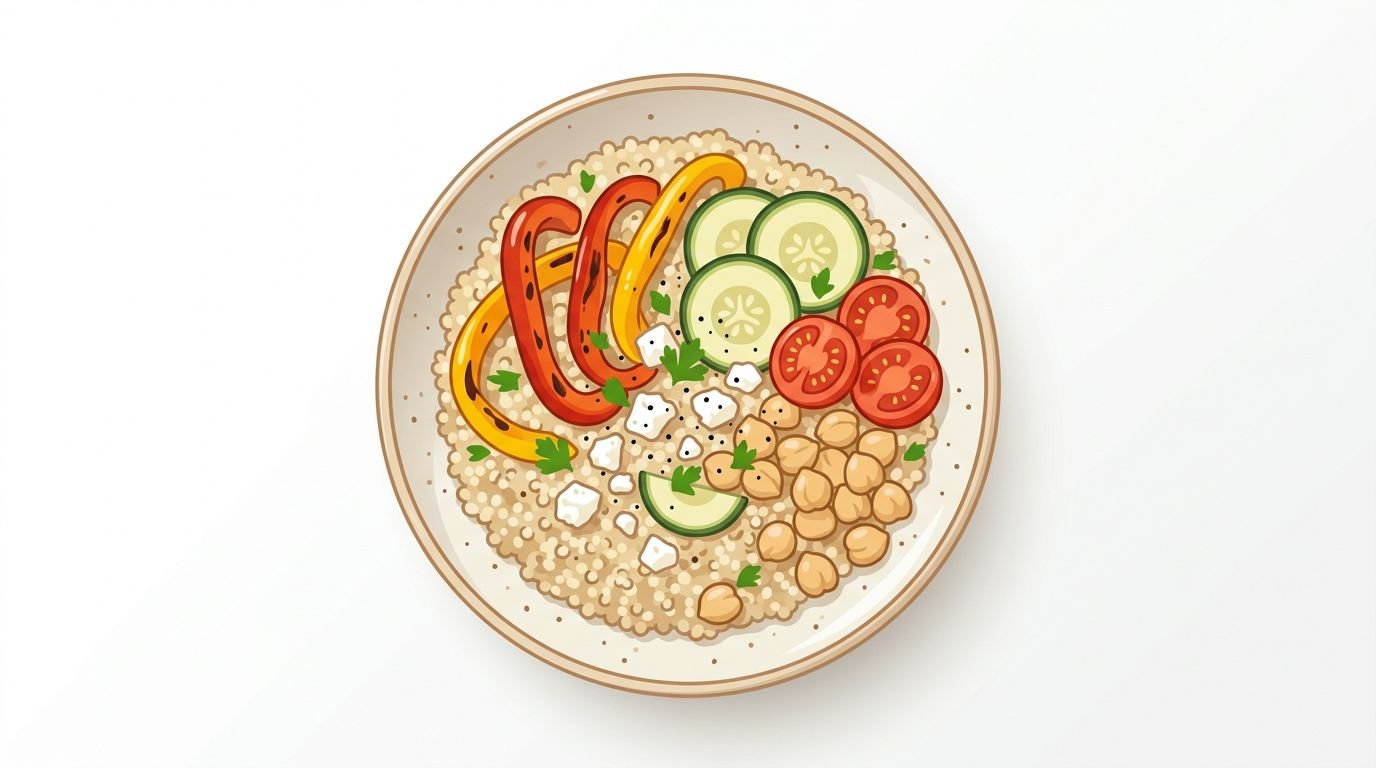
When people say they want a “healthy salad,” this is usually what they mean. The problem is that many quinoa bowls drift into side-dish territory because they lean too hard on vegetables and not enough on staying power. A proper quinoa power salad needs a generous scoop of cooked quinoa, roasted vegetables with real browning, and either chickpeas, feta, or both.
This kind of bowl fits where the market is already moving. Grand View Research says the global packaged salad market was valued at USD 14.29 billion in 2025 and projects it will reach USD 25.97 billion by 2033, with salad kits growing at an 8.4% CAGR in its packaged salad market report. That tells me people want structured, mix-and-match meals, not random produce scraps.
Make it meal-prep friendly
Roast bell peppers, zucchini, onions, and tomatoes on one tray. Keep the vegetables slightly firm. Mushy roasted vegetables make the whole bowl feel tired by day two. Cook quinoa in broth if you want more flavor without adding another sauce layer.
If this is heading into your weekly rotation, use ideas from these meal prep lunch ideas to keep the bowl modular instead of locked into one exact recipe.
Here's the build that usually works best:
- Base first: Greens plus quinoa gives bulk and chew.
- Roasted vegetables second: Let them cool before assembling, or steam will soften the greens.
- Protein decision: Chickpeas keep it plant-forward. Feta adds salt and richness.
- Dressing separate: Olive oil and vinaigrettes should travel in a small container.
Sweetgreen, True Food Kitchen, and Freshii all lean on this kind of format for a reason. It eats like a full lunch, not a compromise. The biggest mistake is treating quinoa as a sprinkle. If it's one of your anchors, use enough to matter.
3. Tuna Salad with Mixed Greens
This is the fast lunch for people who don't want to cook. Open a can, chop a few vegetables, mix, eat. It's one of the most practical entree salad recipes for office days, budget weeks, and high-protein lunches built out of pantry ingredients.
The trade-off is texture and calorie creep. Tuna itself is straightforward. Mayo isn't. One heavy scoop can shift the whole bowl from lean and efficient to oddly dense.
Keep the tuna mix under control
Use mixed greens, spinach, or arugula as the base. Add cucumber, tomato, and red onion for crunch and acidity. Then make the tuna filling in a separate bowl so you can see exactly how much binder you're adding.
A few habits make this salad better immediately:
- Cut mayo with Greek yogurt: You keep creaminess and lighten the mix.
- Add mustard or vinegar: Both sharpen flavor without needing more fat.
- Season the tuna directly: Salt, pepper, lemon, and herbs do more than extra mayo ever will.
- Drain well: Wet tuna mix waters down the greens fast.
For easier tracking, a guide to protein in seafood helps when you're switching between canned tuna, packets, or cooked fresh tuna.
Most people don't overeat tuna salad because of the tuna. They overeat it because the mayo disappears into the mixture and stops looking like a separate ingredient.
You'll see versions of this in deli counters, Costco prepared foods, and quick lunch boxes because it solves a real problem. It's fast. If you're packing it for work, keep the tuna mix in one compartment and the greens in another. Toss at lunch, not before your commute.
4. Caprese Salad with Grilled Shrimp
Some salads feel utilitarian. This one feels like an actual meal you chose on purpose. Caprese with grilled shrimp is one of the best entree salad recipes for nights when you want something lighter without eating like you're dieting.
It works because every ingredient has a job. Tomatoes bring juice and acidity. Basil keeps the whole thing fresh. Mozzarella adds creaminess. Shrimp supplies lean protein without making the bowl heavy.
Build it so it tastes like a restaurant salad
Marinate shrimp briefly in lemon, garlic, and a little salt. Keep the marinating time short so the acid doesn't start changing the texture. Grill or sear just until opaque, then pull them off. Overcooked shrimp turns this salad rubbery in a hurry.
Use cherry or grape tomatoes instead of large slicing tomatoes if you're packing lunch. They hold better, leak less, and portion more cleanly. Fresh mozzarella should be treated as a measured ingredient, not a decorative afterthought.
A simple order helps:
- Tomatoes and basil first: Let them season together for a minute.
- Mozzarella next: Spread it out so every bite gets some richness.
- Shrimp last: Lay it on top so the heat doesn't wilt the basil too much.
- Balsamic sparingly: A little reduction goes far.
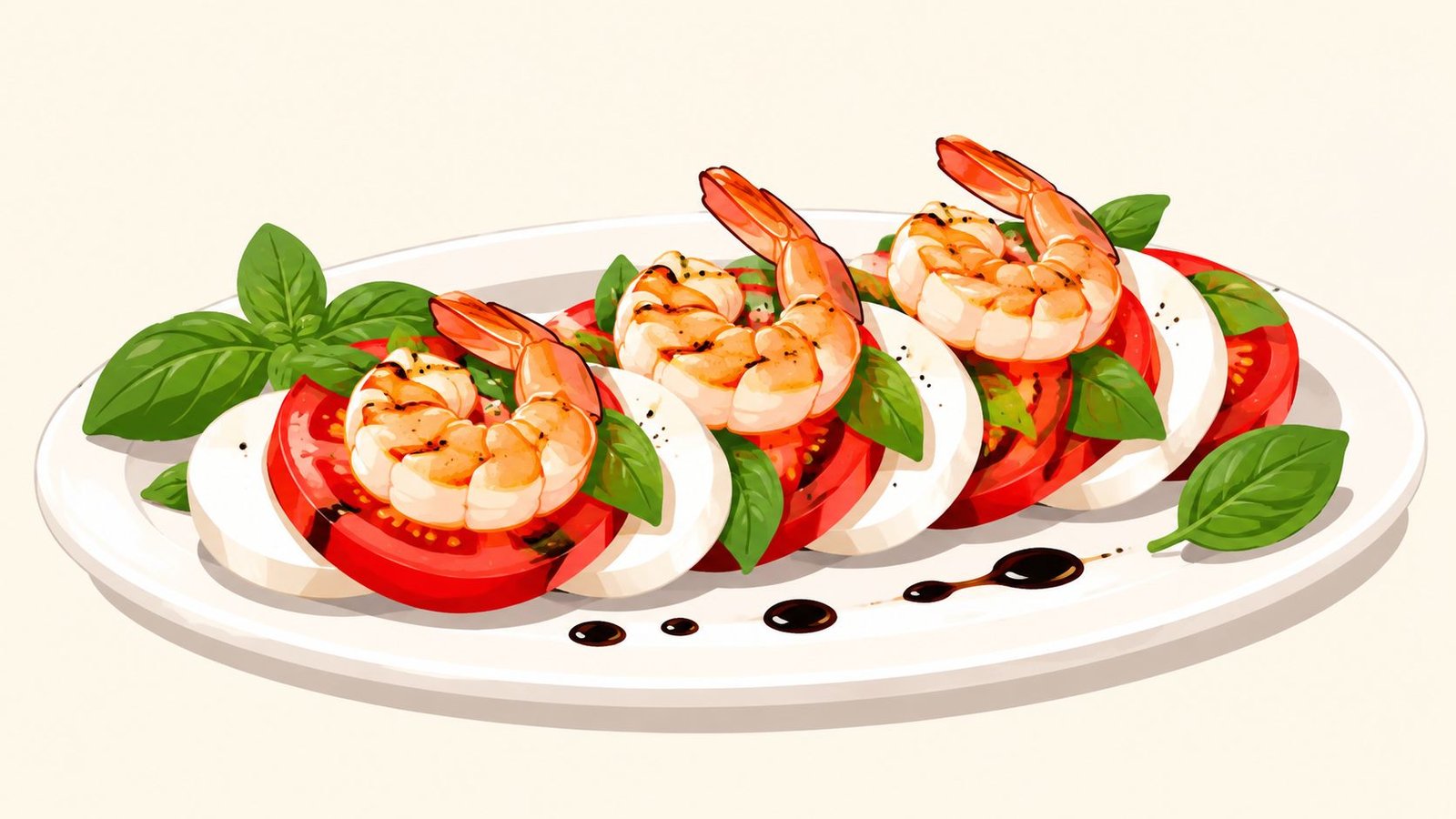
This is a good example of where “healthy” and “light” aren't the same thing. Mozzarella and glaze can make the bowl richer quickly. That's not a problem if you portion them on purpose. It's a problem if you build by feel and assume tomatoes make the whole thing low-calorie.
5. Asian Sesame Chicken Salad
A good Asian sesame chicken salad solves a specific problem. You want a lunch that feels crisp and satisfying, but you also need calories and macros to stay predictable enough to log without guessing. This bowl can do that if you treat the crunchy toppings and dressing as measured ingredients, not background extras.
The base matters more here than in a lot of entree salads. Napa cabbage and romaine hold their texture longer than spring mix, which makes this one a strong meal prep option. Chicken brings the protein. Mandarin segments, shredded carrot, scallions, and cilantro keep the bowl from tasting flat or too salty.
Build for crunch without losing control of the numbers
This salad usually gets off track in the topping layer. Wonton strips, candied nuts, and sweet sesame dressing can push the bowl from high-protein lunch to restaurant-style calorie bomb fast. The vegetables are not the issue. The handfuls are.
Use a tighter build:
- Make cabbage the main volume ingredient: It stays crisp and gives the salad structure.
- Use cooked chicken you can portion clearly: Sliced breast or thigh works, but log the weight before adding sauce or dressing.
- Keep fruit in a supporting role: A small amount of mandarin adds sweetness. Too much makes the bowl read more like a sweet chopped salad.
- Measure almonds and crispy toppings: They add texture, but they are dense for their volume.
- Dress at the end, not during prep: Sesame dressing spreads quickly and is easy to overpour.
If accurate tracking is the goal, this is a smart place to use PlateBird or a food scale. Chicken, nuts, wonton strips, and dressing are the ingredients that move calories and fat the most, while cabbage, herbs, and carrots usually do not need the same level of scrutiny.
Tracking tip: Log the dressing separately, even if you toss the salad before eating. Oil-based dressings cling unevenly, and eyeballing one tablespoon often turns into two.
For packed lunches, keep the salad base, chicken, dressing, and crunchy toppings in separate containers until you're ready to eat. That keeps the texture sharp and makes portion control easier, which is usually the difference between a salad you repeat and one you abandon after one soggy workday lunch.
6. Mediterranean Falafel Salad with Tahini Dressing
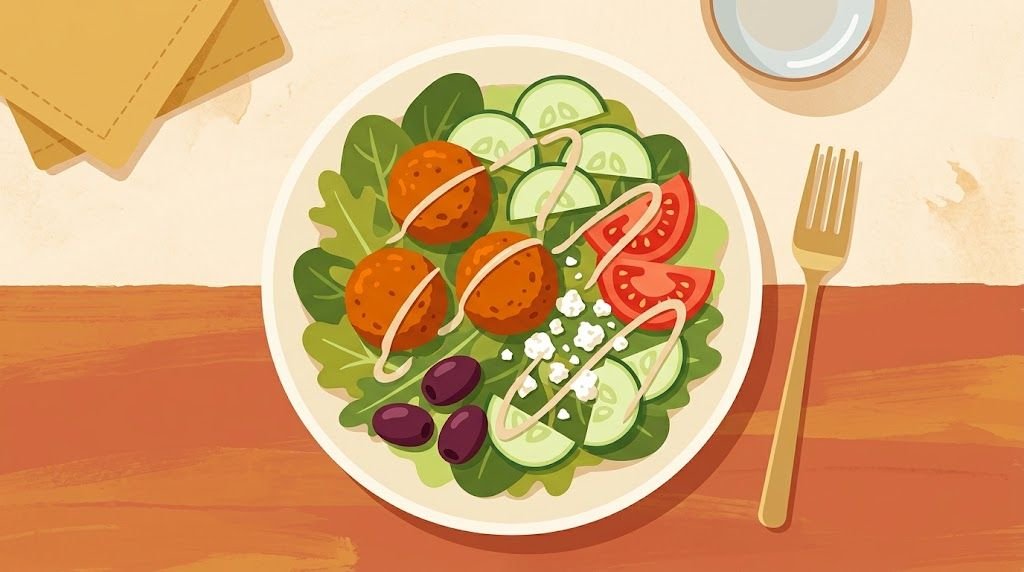
Plant-based eaters already know this trick. A salad doesn't need meat to feel substantial if it has enough texture and enough real components. Falafel, cucumber, tomato, red onion, olives, greens, and tahini dressing make a bowl that feels like lunch.
Meal-worthy salads need heftier ingredients like whole grains, beans, and or nuts plus fruits, vegetables, herbs, and spices to stay satisfying, as discussed in this meal-worthy salad guidance. Falafel fits that role well because it's built from legumes and seasonings, not just volume greens.
A visual reference helps if you're building this for meal prep or catering-style lunches.
Keep the richness in check
Falafel and tahini are both satisfying, but both can push the bowl heavy if you don't balance them with acid and crunchy vegetables. Lemon matters here. So does restraint with olives and feta.
Try this approach:
- Use crisp vegetables generously: Cucumber and tomato lighten every bite.
- Thin the tahini dressing: Lemon juice and water make it more pourable and less dense.
- Choose one rich extra: Olives or feta, not necessarily both.
- Keep falafel crisp: Add it near serving time if possible.
For quick logging, PlateBird's type-to-log flow is useful when you want to enter a meal like “falafel salad” without building every component from scratch.
If you want a quick visual walkthrough before trying your own version, this short video is useful:
Cava, Daphne's Greek Café, and salad bars keep proving the point. Plant-forward salads sell when they don't feel skimpy.
7. Greek Salad with Grilled Steak
This is the high-satiety option for people who finish most salads and still want dinner. Greek salad with grilled steak works because the vegetables stay sharp and cool while the steak adds enough weight to make the bowl feel complete.
The contrast matters. Salty feta, briny olives, crisp cucumber, tomato, onion, and warm sliced steak is a much better experience than tossing steak onto generic spring mix and calling it a day.
Best use case for this salad
Choose this one when your main goal is fullness and you don't mind a more premium ingredient list. It's especially good for dinner because it eats like a composed plate, not just a prep container.
A few things make it better:
- Pick a leaner steak cut: Sirloin usually gives you a cleaner balance than fattier cuts.
- Rest before slicing: Hot steak dumped straight onto lettuce wilts and leaks.
- Dress the vegetables, not the meat: The vinaigrette should brighten the salad, not drown the steak.
- Log components separately: Steak, feta, olives, and dressing all matter differently.
Restaurant steak salads often go wrong by trying to impress with volume and richness at the same time. Too much cheese, too much dressing, and thick steak slices can make the bowl feel clumsy. Keep the slices thin, the vegetables crisp, and the vinaigrette acidic.
A steak salad should still feel like a salad. If every bite is heavy, the bowl loses the point.
This is one of the easiest entree salad recipes to adapt for strength-focused eaters because the protein is obvious and the extras are easy to see. That makes portioning simpler than creamy mixed salads where ingredients blend together.
8. Southwestern Black Bean and Corn Salad with Lime Vinaigrette
This is the budget-friendly bowl that still feels fresh. Black beans, corn, bell peppers, red onion, cilantro, greens, and either avocado or cotija make a strong lunch with very little cooking. It's one of the most repeatable entree salad recipes for anyone who wants a plant-forward option that doesn't feel bland.
Current recipe coverage also points toward a practical gap. Mainstream salad roundups already normalize convenience ingredients like canned chickpeas, grilled chicken, pre-roasted vegetables, and simple vinaigrettes, but they often stop short of giving people a repeatable meal-prep system, as seen in this shortcut-friendly salad roundup. Southwestern salad is perfect for a formula approach because nearly every component can be prepped in bulk.
How to make it hold up all week
Beans and sturdy vegetables buy you time. Tender greens and avocado don't. If you're making several lunches, keep the wettest and softest components separate until serving.
A practical system looks like this:
- Batch-cook beans or rinse canned beans well: Either works if you season them.
- Use corn with some bite: Fresh or frozen kernels hold texture better than limp canned corn in many builds.
- Choose avocado for same-day meals: Choose cotija for longer meal prep.
- Put vinaigrette away from greens: Bottom-of-jar layering works only if you know you'll invert and eat soon.
Chipotle-style bowls, Sweetgreen-inspired Southwestern salads, and budget meal prep plans all rely on the same truth. Beans and corn are cheap, filling, and easy to season well. Add lime, cilantro, and some crunch, and the bowl stops feeling frugal.
This one is especially good for first-time trackers because the ingredients are visible and familiar. You can estimate a lot more confidently when your salad isn't hidden under a creamy dressing.
Entree Salad Comparison: 8 Recipes
| Item | 🔄 Implementation Complexity | ⚡ Prep time & resources | 📊 Expected outcomes (calories / protein / satiety) | 💡 Ideal use cases | ⭐ Key advantages |
|---|---|---|---|---|---|
| Grilled Chicken Caesar Salad | Moderate, grill chicken, assemble; dressing on side | 15–20 min; low cost; grill/pan required | 350–450 kcal; 30–35g protein; moderate–high satiety | Meal prep, weight-loss lunches, restaurant staple | High protein-to-calorie, versatile, affordable |
| Quinoa Power Salad with Roasted Vegetables | Moderate–High, cook quinoa and roast veg | 30–45 min; moderate cost; oven/stove needed | 420–520 kcal; 12–15g protein; high fiber, sustained energy | Plant-based meal prep, vegetarian/vegan diets, sustained energy | Complete protein, nutrient-dense, high fiber |
| Tuna Salad with Mixed Greens | Low, mix and assemble (no cooking if canned) | <5–10 min; very low cost; shelf-stable ingredients | 250–380 kcal; 25–30g protein; low-carb, quick satiety | Quick office lunches, budget meals, low-carb options | Extremely fast, affordable, high protein |
| Caprese Salad with Grilled Shrimp | Low–Moderate, quick shrimp grill and assemble | 10–15 min; moderate–high cost (shrimp, mozzarella) | 280–380 kcal; 24–28g protein; lighter fiber, moderate satiety | Date nights, restaurant-style meals, light dinners | Gourmet presentation, lean protein, flavorful |
| Asian Sesame Chicken Salad | Moderate, multiple components and dressing | 15–25 min; moderate cost; multiple garnishes | 380–520 kcal; 25–30g protein; balanced macros, flavorful | Flavorful meal prep, restaurant-style lunches | Complex flavors, textural variety, satisfying |
| Mediterranean Falafel Salad with Tahini Dressing | Moderate–High, make or heat falafel; dress carefully | 30–45 min (less if store-bought); moderate cost | 420–520 kcal; 12–15g protein; high fiber, calorie-dense fats | Vegetarian/vegan meals, Mediterranean-flavor cravings | Plant-based protein, high fiber, satisfying |
| Greek Salad with Grilled Steak | Moderate, grill steak, rest and slice, assemble | 15–25 min; high cost (steak); grill/pan required | 480–600 kcal; 28–35g protein; high fat, very filling | High-protein meals, special occasions, athletic meals | High-quality protein, iron-rich, nutrient-dense |
| Southwestern Black Bean & Corn Salad | Low–Moderate, assemble; cook beans if needed | 10–20 min (canned); very low cost; pantry staples | 380–480 kcal; 11–14g protein; high carbs & fiber, moderate satiety | Budget meal prep, plant-based, crowd feeding | Affordable, high fiber, scalable for batches |
Your New Go-To Meals Are in the Bowl
It is 12:30, you are hungry, and a plain side salad will not carry you through the rest of the day. A good entree salad solves a more practical problem. It gives you a full meal that matches the job in front of you, whether that job is hitting protein, keeping calories in range, eating more plants, or using what is already in the fridge.
That is the value of the eight bowls above. Each one fits a different constraint. The chicken Caesar works when protein and familiarity matter. The quinoa and black bean options help on plant-based days when fiber and staying power matter more. Tuna, shrimp, and steak cover the fast, high-protein end, but they come with different trade-offs in cost, prep time, and how well they hold for lunch the next day.
The part that usually throws off results is not the greens. It is the extras. Dressing, cheese, avocado, nuts, crunchy toppings, and cooked grains can turn a solid meal into a calorie guess if you do not portion them on purpose.
A few habits make these salads easier to repeat:
- Start with the goal, not the recipe name. Pick high-protein, higher-fiber, lower-carb, or vegan first.
- Keep one variable under control. Dressing is the easiest place to start.
- Build salads in visible layers or pack components separately so logging stays accurate.
- Repeat the bowls that fit your schedule, not just the ones that look best on paper.
That last point matters. A salad you can prep in 10 minutes and track accurately will beat a more ambitious bowl you only make once.
A tool like PlateBird helps with that routine. If you eat similar lunches each week, typing in a repeat meal or using a photo to log the bowl cuts down on the friction. It also helps catch the common miss. The handful of nuts that was really two servings, or the tahini pour that was closer to a restaurant portion than a home one.
Pick one salad from this list based on a specific target this week. Higher protein. Lower calorie. More fiber. Better vegetarian coverage. Make it once, log it accurately, then adjust one ingredient the second time. That is how entree salads become reliable meals instead of good intentions.
If you want a faster way to track salads without rebuilding every ingredient entry from scratch, PlateBird is a practical option. You can type meals in plain language, use a photo to log what's in the bowl, and reuse recurring lunch builds when you find an entree salad recipe that fits your goals.