- 1. Rolled Oats (Oatmeal)
- 2. Canned Tuna & Fish
- 3. Dried Beans & Legumes
- 4. Raw Nuts & Seeds
- 5. Canned Chickpeas & Beans (Ready-to-Eat)
- 6. Protein Powder (Whey, Plant-Based, Collagen)
- 7. Brown Rice & Whole Grain Carbohydrates
- 8. Greek Yogurt (Plain, Non-Perishable Options)
- 9. Peanut Butter & Nut Butters
- 10. Canned Tomatoes & Shelf-Stable Vegetables
- Top 10 Healthy Non-Perishable Foods Comparison
- From Pantry Staples to Daily Habits
It's 7 PM on a Tuesday. The fridge is nearly empty, your energy is low, and takeout feels a lot easier than cooking something that fits your calories. Many diet plans falter in such situations. Not because you lack motivation, but because your environment isn't set up to help you.
A strong pantry fixes that.
Healthy non perishable foods aren't just “emergency food.” They're what carry you through busy workweeks, late gym sessions, travel days, and those nights when you want something fast without blowing your macros. They give you backup carbs, backup protein, and backup fiber. They also make tracking easier because shelf-stable foods usually have predictable serving sizes and labels.
The practical win is simple. When your pantry is built well, you stop improvising with random snacks and start assembling repeatable meals you can log in seconds. A can of tuna, a scoop of oats, a serving of beans, a spoonful of nut butter. Those are easy to measure, easy to repeat, and easy to save in an app like PlateBird so your usual meals become almost automatic.
The list below focuses on foods that help people stay consistent. Not just foods that sound healthy on paper.
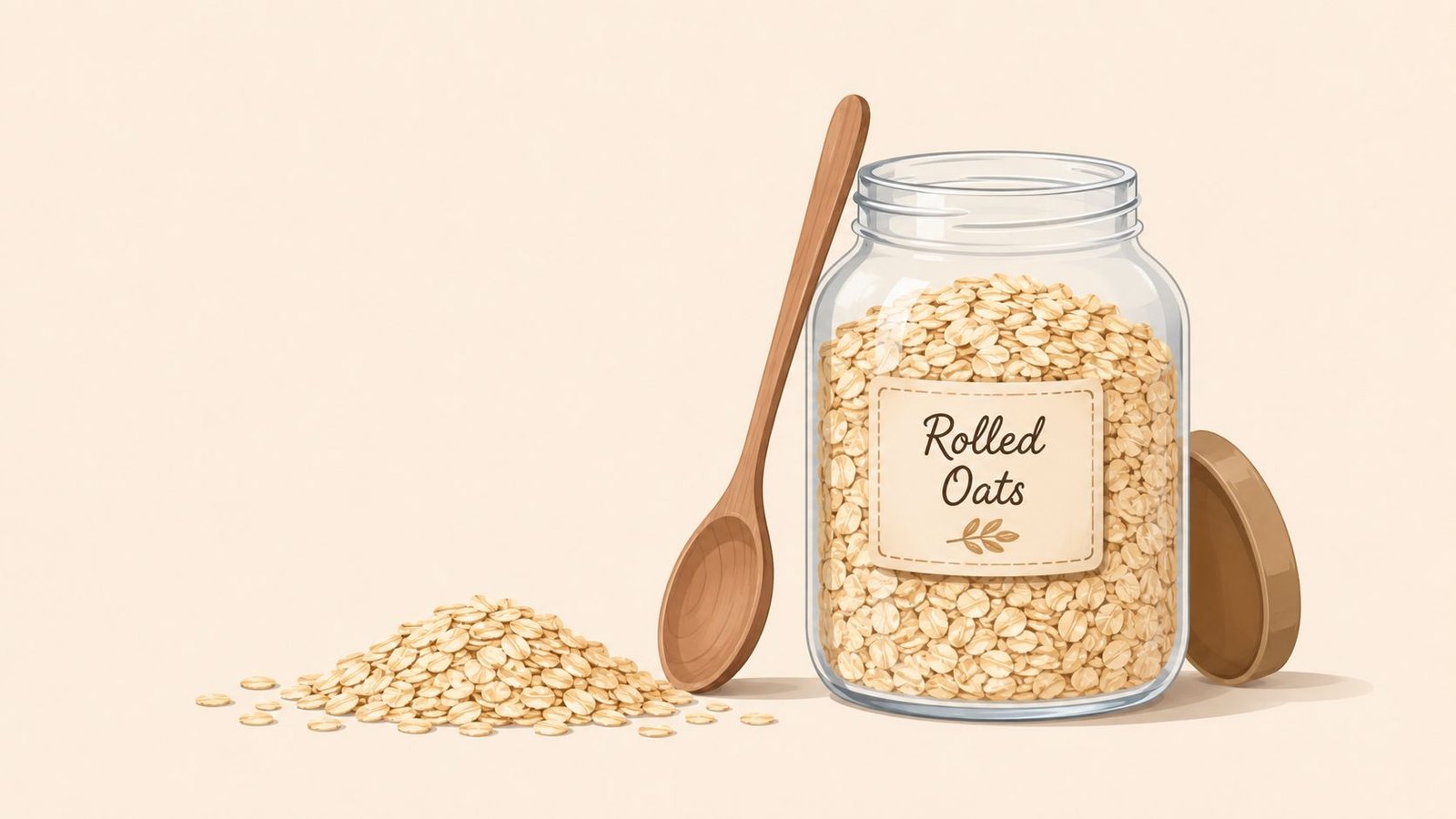
1. Rolled Oats (Oatmeal)
Rolled oats are one of the best pantry staples for anyone trying to stay full, hit training carbs, and avoid breakfast decisions. They're cheap, flexible, and easy to turn into a meal instead of a snack. I like them because they work whether you're cutting calories, maintaining, or pushing food up around hard training blocks.
Old-fashioned oats usually beat the flavored instant packets for one reason. You control everything.
Brands like Quaker Oats, Bob's Red Mill, and basic store brands all do the job. If you want a specialty option, sun and seed organic oats are another example of a pantry-friendly grain.
How to make oats easier to track
The biggest mistake with oats isn't eating them. It's free-pouring them into a bowl and guessing later. Dry measure first, log it once, and save that entry as a repeat meal in PlateBird.
A practical combo that works well is oats plus protein powder plus peanut butter or fruit. Once you've logged your preferred mix one time, breakfast becomes a one-tap habit instead of a daily math problem.
Practical rule: Log oats dry, before cooking. That keeps your entries consistent even if you change the amount of water or milk.
There's another reason oats belong in a healthy non perishable foods list. Some shelf-stable staples hold up well on the macro side, but micronutrients can shift over long storage. The nutrient-decay angle matters if you rely heavily on a deep pantry. One 2024 analysis noted that dried oats retained 95% of fiber but lost 30% of B vitamins after 2 years, which is worth remembering if you stock food long term and assume the nutrition label stays perfectly representative over time, as discussed in this healthy pantry foods overview.
2. Canned Tuna & Fish
You get home late, protein is low for the day, and cooking chicken from scratch is not happening. Canned fish solves that problem in two minutes and gives you a portion that is much easier to log than takeout or a random snack plate.
Tuna is usually the easiest entry point. Salmon and sardines deserve space in the pantry too, especially if you want more variety in taste and fat content. StarKist, Bumble Bee, Wild Planet, and basic store brands can all work. The better choice depends on what you need most: lower calories, more omega-3 fats, lower sodium, or a flavor you will eat consistently.
How to track canned fish without guesswork
The logging mistake I see most often is treating all cans the same. They are not. Water-packed tuna and oil-packed tuna can be very different once drained, and flavored packets often add sugar, oil, or extra sodium. Log the exact product from the label when you can, then save your usual meal in PlateBird once you know the numbers fit your target.
Drained weight matters too. If you always drain canned fish before eating, stay consistent and log it the same way each time. Consistency beats switching between "with liquid," "drained," and rough visual estimates.
A practical setup looks like this:
- Pick one format and stick with it: Water-packed fish is usually simpler for calorie tracking.
- Build one reliable meal: Tuna with rice and canned vegetables, or salmon with crackers and chickpeas, works well because each item is easy to portion.
- Save it in PlateBird: A repeat entry cuts out daily math and makes high-protein lunches much easier to keep consistent.
- Keep emergency protein on hand: A can or pouch at work helps prevent the "I missed lunch, so now I'm grabbing whatever" problem.
Taste is usually the main barrier, not nutrition. Plain Greek yogurt, mustard, lemon juice, hot sauce, or chopped pickles can fix that without turning a protein-focused meal into a mayo-heavy calorie bomb.
Storage is another reason canned fish earns a spot in a healthy non perishable foods lineup. The USDA notes that commercially canned seafood stays safe for years when stored in a cool, dry place and the can remains in good condition, which makes it a reliable pantry protein for both routine meals and backup planning in this USDA food storage chart.
3. Dried Beans & Legumes
Sunday night is usually when this food either saves the week or gets ignored. A bag of lentils or black beans can turn into several high-fiber, budget-friendly meals. It only works if you cook and log them in a way you can repeat.
Dried beans and legumes earn their place because they solve two problems at once. They keep well in the pantry, and they make it easier to build filling meals without relying on expensive convenience foods. Black beans, lentils, chickpeas, and kidney beans all bring a useful mix of carbs, fiber, and some protein, but a key advantage is portion control. You decide how much to cook, season, freeze, and log.
To see basic prep in action, this walkthrough is useful:
The tracking problem most people miss
Beans get tricky once water enters the equation. One cup cooked can mean different calories depending on the bean type, cook time, and how much water it absorbed. That is where sloppy logging starts.
The cleanest system is to pick one method and keep it the same every time. Log the dry weight before cooking and divide the full batch into equal servings, or weigh the cooked batch, portion it out, and save that cooked amount as a custom entry in PlateBird. Both work well. Switching between scoops, cups, and rough visual estimates does not.
I usually recommend lentils first for clients who want less friction. They cook faster than many larger beans, often do not need soaking, and are easy to portion into soups, grain bowls, or a simple rice-and-veg meal. Larger beans can be worth the extra prep if you like eating them, but taste and convenience matter more than pantry ideals.
A practical setup is simple. Cook one batch, portion it into containers you will realistically use, then save that portion in PlateBird once so future logging takes seconds. That closes the gap between buying healthy non perishable foods and eating them consistently.
For storage guidance, the U.S. Dry Bean Council explains that dried beans keep best in a cool, dry place and remain usable for a long time, though older beans can take longer to cook and may not soften as well, which matters if you are planning bulk prep from pantry stock in this dry bean storage guide.
The trade-off is obvious. Dried beans are cheaper and more flexible than canned, but they ask for planning. If you rarely soak, simmer, and portion food ahead of time, keep dried beans for weekend prep and use canned beans for busy weekdays. That mix is usually easier to stick with than pretending every meal will be homemade from scratch.
4. Raw Nuts & Seeds
You get home hungry, grab the almond bag for "just a handful," and log it later. That is where nuts and seeds cause trouble. They are useful pantry foods, but they punish vague portions faster than almost anything else on this list.
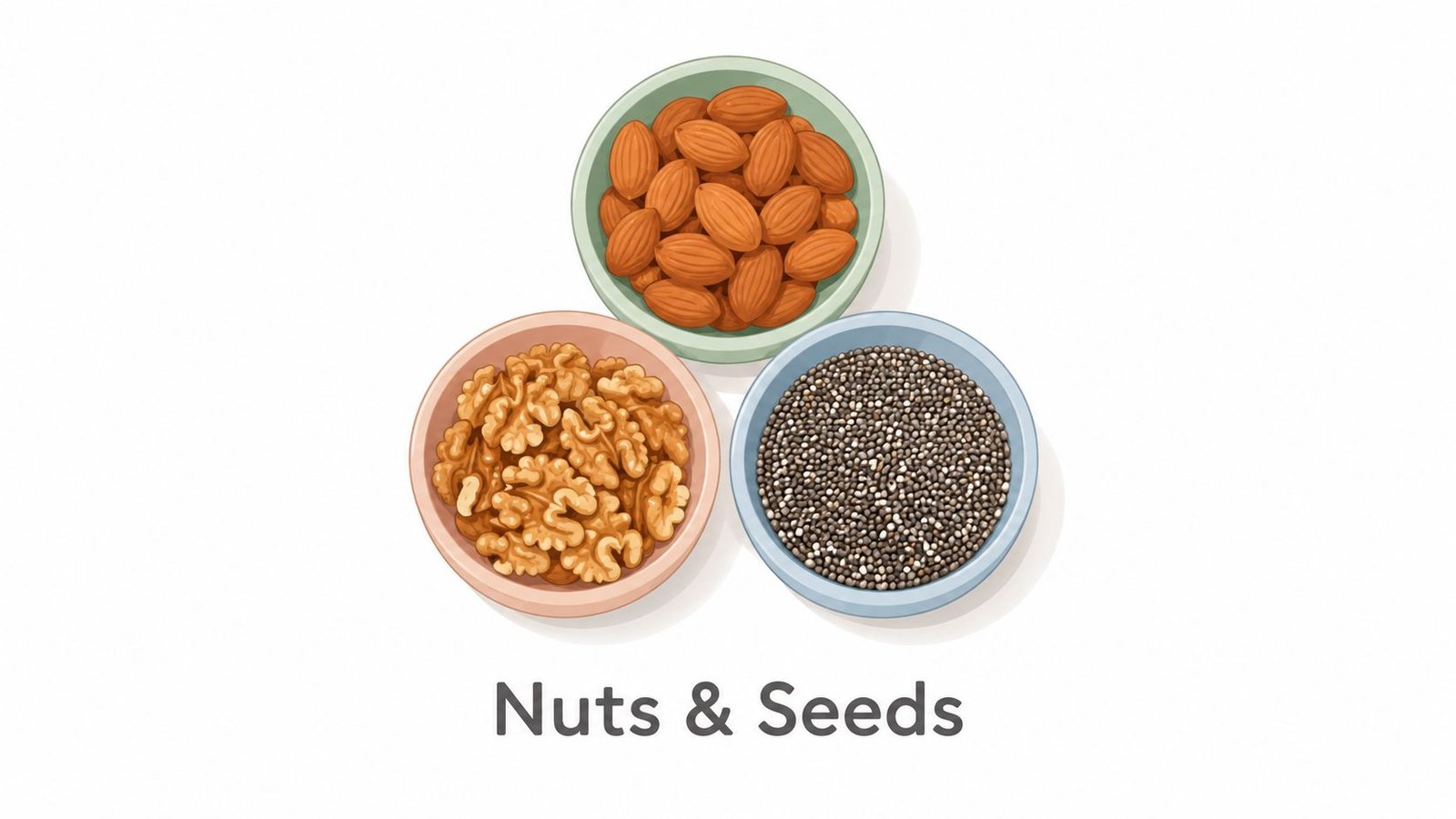
Almonds, walnuts, pumpkin seeds, chia, flax, and hemp seeds all bring something valuable. You get healthy fats, some protein, and an easy way to make a basic meal more filling. The trade-off is simple. Calories add up quickly, and small logging errors matter more here than they do with vegetables or broth-based foods.
How to use them without derailing your calories
Use nuts and seeds as measured add-ons, not casual snacking food. Chia works well in oats or yogurt. Hemp seeds are easy to sprinkle onto eggs or grain bowls. Walnuts and almonds fit better as pre-portioned snacks than as something you eat from the container.
For tracking, pick one method and stick to it. The cleanest option is grams. Weigh your usual serving once, save it in PlateBird, and reuse that entry instead of guessing with "handfuls" or switching between tablespoons, cups, and loose visual estimates. That one setup step saves a lot of calorie creep over a week.
A practical system looks like this:
- Pre-portion a few servings at a time: Small containers or snack bags remove the guesswork.
- Log the exact version you buy: Raw, dry roasted, salted, and sweetened products can differ enough to matter.
- Use seeds strategically: Chia, flax, and hemp are easier to keep in range when they are toppings, not the base of a snack.
- Store them in airtight containers: Cool, dry storage helps protect flavor, especially for higher-fat seeds.
The USDA FoodData Central database is a reliable place to verify the nutrition entry for specific nuts and seeds before saving them in your app, especially if package labels and app entries do not match, through USDA FoodData Central.
If a client is trying to stay in a calorie deficit, I usually keep nuts and seeds in the plan, just with tighter boundaries. They are excellent for adherence because they add crunch, richness, and satiety to otherwise boring meals. They stop helping when the portion is unmeasured.
5. Canned Chickpeas & Beans (Ready-to-Eat)
You get home, dinner is half a plan, and protein is low. Ready-to-eat beans fix that fast. They give you a shelf-stable carb and fiber source that can also add a modest protein bump without any soaking, simmering, or meal prep.
Chickpeas are the most flexible option for many people because they hold their texture well in salads, bowls, and skillet meals. Black beans work better in tacos, rice bowls, and soups. White beans are useful when you want something softer that blends into tuna mixes, tomato-based meals, or quick mashed bean spreads on toast. Bush's, Goya, Eden Foods, and store brands can all work. The better choice is usually the one you will keep stocked and use.
The trade-off is straightforward. Canned beans cost more per serving than dried beans, but they save enough time that many people eat them more consistently. In practice, consistency wins.
For tracking, the biggest mistake is logging the can as packaged and eating the beans drained. Water weight throws off the entry. Log the drained amount, then save that serving in PlateBird so you are not searching different database entries every time. If you use the same can often, weigh the drained yield once, build a custom entry, and reuse it.
A few habits make canned beans easier to fit into a calorie and macro plan:
- Rinse and drain before logging if that is how you eat them.
- Save brand-specific entries when labels differ.
- Use half a can when you need fiber and volume without pushing carbs too high.
- Pair beans with a leaner protein if your meal needs more protein than beans alone provide.
That last point matters. Beans help, but they usually are not enough to carry the full protein target for a meal. If you are building repeatable pantry-based meals that hit higher protein numbers, this high-protein meal prep guide for simple repeatable meals gives you better frameworks than guessing.
For sodium, low-sodium or no-salt-added versions make tracking easier and give you more control over flavor. If regular canned beans are what you have, rinse them and move on. The habit matters more than chasing a perfect label.
For nutrition details, serving sizes, and comparable entries across bean varieties, the USDA FoodData Central database is a reliable reference before you save a food entry in your app.
6. Protein Powder (Whey, Plant-Based, Collagen)
You get home late, calories are still on target, and protein is short by 25 grams. That is where protein powder earns its spot in a pantry plan. It gives you a fast, shelf-stable way to close the gap without cooking another meal or guessing your portions.
The trade-off is simple. Protein powder is efficient, but it should support your food routine, not replace it. Whey usually gives the best protein-per-calorie value and mixes easily. Plant-based blends work well for dairy-free diets, though some brands run higher in carbs or fat. Collagen is different. It can fit a routine, but it does not replace a complete protein if your goal is muscle retention or daily protein coverage.
Tracking is where people make this harder than it needs to be. Pick one brand, one scoop size, and one default entry in PlateBird. Then save your repeat uses as meals. A scoop in oats is one saved breakfast. A scoop with water and fruit is another. If you switch between half scoops, heaping scoops, and different tubs, your log gets sloppy fast.
A few practical rules help:
- Log the label serving size, then weigh a scoop once to see how close it is in real life.
- Save brand-specific entries because whey isolate, whey concentrate, and plant blends can differ a lot.
- Count add-ins separately. Milk, peanut butter, oats, and banana change the calories more than the powder itself.
- Use collagen as an add-on, not your main protein entry, if meal protein is the target.
This category also pairs well with pantry carbs because the meal builds itself. Oats, cereal, dry rice cakes, and other shelf-stable staples make it easier to turn powder into an actual meal instead of a random shake. If you need ideas for that side of the equation, PlateBird's complex carbohydrates food list for meal planning is a useful reference.
For product quality and label verification, third-party testing matters more than marketing copy. NSF tracks certified sports supplements and lists products that meet its testing standards in the NSF Certified for Sport directory. That is a better source than broad market trend reports if you want a powder you can log consistently and trust.
If you travel often or keep backup food at work, protein powder also stores and packs easily next to basics like shaker bottles, oats, and even shelf-stable carb options such as Italian pasta in UAE. The point is convenience with structure. A powder only helps if you can log it fast, repeat it often, and fit it cleanly into your macros.

7. Brown Rice & Whole Grain Carbohydrates
A lot of people under-eat carbs when they're trying to “eat clean,” then wonder why training feels flat and evening cravings get aggressive. Whole grain pantry carbs fix that. Brown rice, quinoa, barley, and farro give structure to meals and make protein foods more satisfying.
The key is cooking them before you're desperate. Dry grains are easy to own and easy to ignore.
The meal-prep advantage
Cook a batch, portion it, and freeze what you won't use right away. That turns rice from an idea into an actual food option on a busy day. Success Brown Rice, Uncle Ben's, Bob's Red Mill, Ancient Harvest quinoa, and plain bulk-bin grains all work.
For tracking, keep your method consistent. If you log cooked grain, keep logging cooked grain. If you build meals around complex carbs regularly, PlateBird's complex carbohydrates list of foods can help you choose options that fit your calorie target and training needs.
A practical grain bowl often looks like this:
- Base: Brown rice or quinoa
- Protein: Tuna, chickpeas, beans, or a protein-rich topping
- Vegetables: Canned tomatoes, corn, or low-sodium canned greens
- Flavor: Salsa, herbs, spice blends, mustard, or yogurt-based sauce
One caution with long-stored pantry foods is that label accuracy has limits beyond calories and macros. Macronutrients stay relatively predictable, but older pantry staples may not deliver the same micronutrient profile they had earlier in storage. That matters more for people building a deep pantry than for someone cycling through grains weekly.
You can also work in pantry-friendly grain alternatives from different cuisines. Even products marketed more as staples than “fitness food,” like Italian pasta in UAE, can fit a structured plan if portions are measured and paired with protein.
8. Greek Yogurt (Plain, Non-Perishable Options)
Traditional Greek yogurt isn't pantry food, so this spot belongs to the shelf-stable side of the category. Powdered, freeze-dried, or otherwise non-perishable yogurt-style products can be useful if you want the flavor profile or a portable protein addition without relying on refrigeration.
That said, this is one of the more niche entries on the list. Generally, plain refrigerated Greek yogurt is a fridge staple first, pantry staple second. The non-perishable versions are more about convenience than replacing the fresh product perfectly.
When it actually makes sense
Use shelf-stable yogurt powders when portability matters. Travel. Office stash. Backup breakfast. Emergency pantry. They can also work mixed into oats or blended into a bowl when you want a tangy, creamy element without opening a full refrigerated container.
Fage, Chobani, Siggi's, and Kirkland are the brands people usually know from the refrigerated side. On the shelf-stable side, yogurt protein powders and freeze-dried formats are the practical examples, though the taste and texture won't match a fresh tub exactly.
This category only works if you keep expectations realistic. If you want a true Greek yogurt eating experience, buy real Greek yogurt. If you want convenience and easier storage, powdered forms can fill the gap.
For logging, save the product you use instead of choosing a generic “Greek yogurt” entry and hoping it matches. Shelf-stable versions can vary a lot by brand and preparation method. This is one item where label-reading matters more than assumptions.
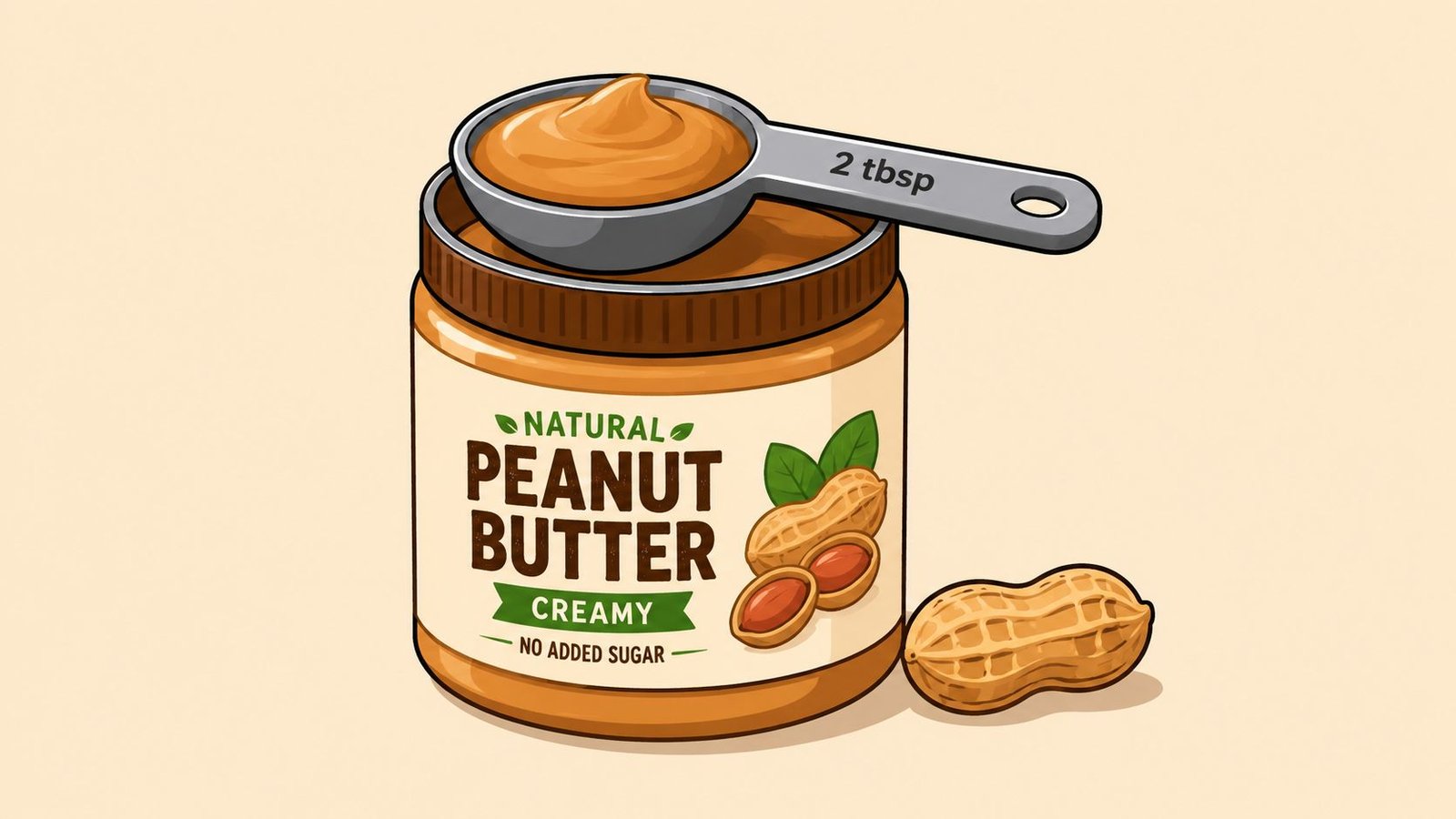
9. Peanut Butter & Nut Butters
Peanut butter is one of the most useful foods in the pantry and one of the easiest to misuse. It can rescue a light breakfast, make a shake more filling, and help a snack hold you over. It can also turn a modest meal into a calorie bomb if you scoop carelessly.
Natural peanut butter is usually the better choice when your goal is cleaner tracking. Look for short ingredient lists. Peanuts, maybe salt. That's it.
The trade-off is worth knowing
Nut butters help with adherence because they make meals taste better. Oats with a measured spoonful of peanut butter are more satisfying than plain oats. Rice cakes with peanut butter are more useful than dry crackers. But they're not a free food, and treating them like one is where many fat-loss plans drift off target.
Jif, Skippy, Justin's, MaraNatha, Barney Butter, and Trader Joe's all have versions on the shelf. The label is what separates the better choices from the dessert-like ones.
The best system is simple:
- Pre-portion servings: Don't eat straight from the jar.
- Use it with protein: Pair it with oats, yogurt, or a shake so the meal is more balanced.
- Log the actual amount: A heaping spoon and a level spoon are not the same thing.
As noted earlier, unsweetened nuts and nut butters can support a more nutrient-dense pantry. Peanut butter especially shines when calories need to be satisfying, not just low. For PlateBird users, this is an easy food to save as a frequent entry because many people eat the same amount repeatedly.
10. Canned Tomatoes & Shelf-Stable Vegetables
Dinner gets harder to track when the pantry has protein and starch but no vegetables that fit the meal. Canned tomatoes and shelf-stable vegetables solve that fast. They turn rice, beans, pasta, tuna, or eggs into a meal that feels finished instead of thrown together.
Tomatoes do more work than almost any other can on the shelf. Crushed tomatoes become quick pasta sauce. Diced tomatoes bulk up chili and lentil soup. Tomato paste adds flavor without many calories, which matters if you want meals to taste better without letting the calorie total creep up.
What to buy and how to log it
Buy vegetables you will use repeatedly, then log them the same way every time. No-salt-added tomatoes, corn, green beans, mushrooms, roasted peppers, and mixed vegetables are practical staples. Hunt's, Muir Glen, Del Monte, Green Giant, and store brands all have solid options.
The trade-off is simple. Canned vegetables save time and reduce waste, but sodium can climb fast, especially in seasoned or sauce-packed versions. Fruit packed in syrup and vegetables packed with added sauces also change the calorie picture more than people expect.
For tracking, the easiest move is consistency. Log by the drained weight if you drain it. Log the full serving if you use the liquid in soups or stews. If you buy the same brand each week, save it in PlateBird as a recent or frequent food so you are not searching through multiple near-identical entries every time.
Storage matters too. High-acid foods like tomatoes generally do not hold quality as long as lower-acid canned vegetables. The USDA's home canning and storage guidance is a better reference for shelf-life planning than guessing from the date and hoping for the best. In practice, rotate tomatoes more often and keep the oldest cans up front.
If label details trip you up, PlateBird's guide on how to read nutrition labels helps with serving sizes, sodium, added sugar, and packed-in-liquid differences. That makes this category much easier to use well. Healthy non perishable foods still need accurate logging if the goal is fat loss, muscle gain, or tighter calorie control.
Top 10 Healthy Non-Perishable Foods Comparison
| Item | 🔄 Prep Complexity | ⚡ Convenience / Speed | 📊 Expected Outcomes (⭐) | 💡 Ideal Use Cases / Key Advantages | Resource Requirements (cost & storage) |
|---|---|---|---|---|---|
| Rolled Oats (Oatmeal) | Low, quick-cook or overnight; steel-cut takes longer | ⚡ Medium, instant/overnight options available | ⭐⭐⭐, high fiber (beta‑glucan), sustained energy, moderate protein | Breakfasts, baking, batch meal prep; versatile and filling | Low cost; shelf-stable 12–24 months (cool, dry) |
| Canned Tuna & Fish | Very low, open & eat; minimal draining | ⚡ Very High, ready-to-eat single-serve cans | ⭐⭐⭐⭐, complete protein, high EPA/DHA; watch mercury | Portable protein, meal-prep bowls, weight-loss meals | Low–moderate cost; shelf-stable 3–5 years; choose water-packed for fewer calories |
| Dried Beans & Legumes | High, soaking and long cooking (or pressure-cook) | ⚡ Low unless pre-cooked; excellent for batch cooking | ⭐⭐⭐⭐, high protein (when paired with grains), very high fiber, low GI | Cheapest protein for bulk meal prep, long-term storage | Very low cost per serving; shelf-stable 10–30 years (cool, dry) |
| Raw Nuts & Seeds | Low, ready-to-eat; optional soaking | ⚡ High, portable, no prep | ⭐⭐⭐, calorie-dense healthy fats, moderate protein, high satiety | Snacks, calorie-dense add-ins, hormonal/fat-soluble vitamin support | Moderate cost; shelf 6–12 months room, 1–2 years frozen |
| Canned Chickpeas & Beans (Ready-to-Eat) | Low, pre-cooked, drain & rinse | ⚡ Very High, zero cooking time | ⭐⭐⭐, good fiber & protein; may have elevated sodium | Quick salads, grain bowls, busy lunches; easy logging | Low cost per can; shelf-stable 3–5 years; rinse to reduce sodium |
| Protein Powder (Whey/Plant/Collagen) | Low, mix with liquid or add to food | ⚡ Very High, immediate, fast absorption (whey) | ⭐⭐⭐⭐, concentrated protein (20–30g/serving); lacks whole-food fiber | Meet protein targets, post-workout recovery, precise macro tracking | Moderate cost per serving ($0.60–1.50); shelf-stable 1–2 years |
| Brown Rice & Whole Grain Carbs | Medium, cooking times vary by grain | ⚡ Medium, batch-cook & freeze for convenience | ⭐⭐⭐, sustained energy, moderate fiber; quinoa adds complete protein | Meal-prep base paired with proteins/veggies | Low cost; shelf-stable 6–12 months (cool, dry) |
| Greek Yogurt (Plain / Powdered) | Low, refrigerated fresh or reconstitute powdered | ⚡ Medium, refrigerated; powdered = very high | ⭐⭐⭐⭐, high protein per serving, probiotics (fresh) | Breakfast bowls, dips, protein-rich swaps; powdered for portability | Moderate cost; fresh requires refrigeration, powdered shelf-stable ~1–2 years |
| Peanut Butter & Nut Butters | Low, ready-to-use; stir natural varieties | ⚡ High, quick add-in | ⭐⭐⭐, high satiety, healthy fats, moderate protein; calorie-dense | Spreads, smoothies, caloric density for meal plans | Low–moderate cost; shelf-stable 6–12 months (refrigerate to extend) |
| Canned Tomatoes & Shelf-Stable Vegetables | Low, ready-to-use; heat or add cold | ⚡ Very High, instant pantry veg | ⭐⭐, adds vitamins/fiber; nutrient profile varies, watch sodium | Sauces, soups, stews, budget meal prep | Very low cost; shelf-stable 1–4 years; choose low-sodium/BPA-free options |
From Pantry Staples to Daily Habits
It's 7 p.m., you're tired, and dinner needs to fit your calories instead of blowing past them. That's the moment a good pantry earns its keep. Healthy non perishable foods cut decision fatigue, shorten prep time, and make it much easier to stay consistent when energy is low.
That consistency matters more than variety for its own sake.
Rolled oats give you a breakfast base that is cheap, filling, and easy to portion. Canned tuna and other fish cover protein fast. Dried beans save money if you plan ahead, while canned beans save time when you do not. Brown rice and other whole grains round out meals and help carbs feel intentional instead of random snacking. Nuts, seeds, and nut butters add satiety, but they also demand honest portions because calories climb fast. Canned tomatoes and shelf-stable vegetables help pantry meals taste like real meals, not a fallback you resent eating.
The trade-offs are practical, not theoretical. Convenience usually costs more. Sodium can run high in canned items. Calorie-dense foods like peanut butter are useful for some people and easy to overshoot for others. Long shelf life helps with consistency, but it does not erase the need to read labels, compare serving sizes, and check whether a food fits your protein, carb, fat, and fiber targets.
The bigger shift is simple. Pantry food is no longer just backup food. The U.S. Department of Agriculture highlights canned, frozen, and shelf-stable forms as valid ways to build a healthy dietary pattern, as long as shoppers compare sodium, added sugar, and saturated fat on the label. See the USDA guidance on healthy choices for canned and shelf-stable foods.
Tracking is what turns that pantry into a system.
If the meals repeat, the logging should repeat too. Save your oat bowl. Save your tuna rice bowl. Save your chickpea salad. Save the peanut butter snack you really eat, not the one you planned in your head. In PlateBird, repeated pantry meals are easier to log because you can type a simple meal like “tuna brown rice” or snap a photo of the bowl you meal-prepped and move on without rebuilding the entry every time.
That matters for adherence. The easier it is to log common meals, the more likely you are to catch the small things that change progress over a week, like an extra spoonful of peanut butter, a larger serving of rice, or the lower-protein yogurt swap that looked harmless in the moment.
A practical pantry supports your diet on tired weeknights, busy mornings, and weekends when structure slips. Pair that pantry with fast logging, and healthy non perishable foods stop being emergency supplies. They become part of a repeatable routine you can stick to.