- 1. Protein Pancakes with Greek Yogurt
- 2. Egg White Omelet with Whole Grain Toast
- 3. Overnight Oats with Protein Powder
- 4. Cottage Cheese Bowl with Granola and Fruit
- 5. Smoked Salmon and Avocado Toast
- 6. Chicken Breast with Sweet Potato and Greens
- 7. Protein Smoothie Bowl with Granola Topping
- 8. Greek Yogurt Parfait with Granola and Honey
- 8-Option Post-Workout Breakfast Comparison
- From Recipe to Routine Make Your Breakfast Count
You finished the workout, checked the clock, and now you're standing in the kitchen with that familiar mix of hunger and indecision. You want a post workout breakfast that helps recovery, not just something that sounds healthy on paper. It needs to be fast, high in protein, and realistic enough to repeat on a workday.
That's a common sticking point. They know food matters after training, but they overthink the timing, under-eat the protein, or reach for something convenient that leaves them hungry again an hour later. The old-school advice focused on eating in a tight early window, and the American Heart Association still notes that in the 30 to 60 minutes after a workout, muscles can store carbohydrates and protein as energy and support recovery, with meals built around carbs plus protein-rich foods like beans, chicken, or salmon in the mix (American Heart Association guidance on food as fuel).
The practical version is simpler than the internet makes it sound. Eat a meal with protein and carbohydrates soon after training, and make it easy enough that you'll do it. If you want a broader perspective on how training changes what your body needs, OPTIMACY's take on exercise nutrition is a useful companion read.
1. Protein Pancakes with Greek Yogurt
You finish a hard morning session, want something that tastes like breakfast, and still need it to do a real recovery job. Protein pancakes fit that slot well if the base has enough protein and the toppings are doing more than making the plate look good.
My go-to version uses oats, eggs, and protein powder in the batter, then Greek yogurt and berries on top. It eats like a weekend breakfast, but the macros are closer to what you need after training. That matters on busy weekdays, because people repeat meals they enjoy.

This meal is flexible. Someone in a muscle-gain phase might make a larger stack and use full-fat yogurt. Someone training for endurance might keep the oats generous and add banana or extra fruit. If mornings are chaotic, cook a batch ahead and reheat two or three pancakes at a time. The texture holds up better than many high-protein breakfasts.
Why this one works
The meal covers the basics without turning breakfast into a chore. Oats and fruit give you carbohydrates after training. Eggs, protein powder, and Greek yogurt bring the protein side up enough to make the meal worthwhile.
Healthline summarizes guidance from the International Society of Sports Nutrition this way: regular protein feedings across the day, paired with adequate carbohydrates, support recovery after exercise, and the post-workout eating window is wider than many people assume (Healthline summary of post-workout protein and recovery guidance).
Practical rule: Pancakes built mostly from flour and syrup are breakfast. Pancakes built from oats, eggs, protein powder, and yogurt can work as recovery food.
There is a trade-off. Protein pancakes are more satisfying than a shake, but they take more effort and can turn dense fast if the batter gets overmixed or too dry. A mashed banana helps. So does cooking them smaller instead of making oversized pancakes that stay raw in the middle.
A few ways to make this workable in real life:
- Keep the ingredient list boring: Plain oats, eggs, and a protein powder you already tolerate beat novelty ingredients that sit in the cabinet.
- Use Greek yogurt strategically: It adds creaminess and more staying power than syrup alone. If you want to compare options, this guide to protein in yogurt is useful.
- Track it with low friction: In PlateBird, snap the finished plate if you are in a rush, or type in the ingredients separately when you want tighter macro tracking. That makes it easier to see whether your "healthy pancakes" are pulling their weight.
That last point matters more than the perfect recipe. The best post workout breakfast is the one you can make, enjoy, and log without turning your morning into admin.
2. Egg White Omelet with Whole Grain Toast
This is the breakfast I recommend when someone says, "I want something lean, savory, and hard to mess up."
Egg whites cook fast, carry flavor well, and make portion control easy. Fold them around spinach, mushrooms, and tomatoes, then add whole grain toast on the side. That gives you a straightforward post workout breakfast with protein first and enough carbs to avoid that flat, drained feeling later in the morning.
The trade-off is satiety. Egg whites are efficient, but they can feel a little sterile if you strip out all flavor and all texture. That's why I tell people to season aggressively and cook the vegetables first so the omelet tastes like food, not diet food.
Best use case for this meal
This breakfast shines during fat-loss phases, busy workweeks, and mornings when you want a lighter stomach. Fitness competitors often rely on versions of this because it's easy to repeat and easy to track. Busy professionals like it because it cooks quickly and doesn't leave them sluggish before a commute or morning meetings.
What works:
- Cook mushrooms and spinach first: The moisture cooks off and the omelet won't turn watery.
- Use toast intentionally: The bread isn't filler. It makes the meal more useful after training.
- Add flavor without turning it heavy: Salsa, hot sauce, herbs, and black pepper make a big difference.
What usually doesn't work is trying to turn this into a giant punishment plate. A mountain of dry egg whites and plain toast might hit macros, but it's hard to maintain consistency.
Egg white omelets are at their best when they taste like a deliberate breakfast, not a compromise.
PlateBird is especially handy here because this is the kind of meal people repeat. Type egg whites, spinach, mushrooms, whole wheat toast once, adjust portions as needed, and save the combo so weekday tracking takes seconds.
If you train for strength and feel under-recovered on low-fat breakfasts, one easy tweak is adding a whole egg or avocado on the side. If you're coming off a longer cardio session, add fruit as well. The meal should reflect the session you did, not just the breakfast template you saw online.
3. Overnight Oats with Protein Powder
If your mornings are chaotic, overnight oats are one of the few "healthy breakfast" ideas that hold up under pressure.
You make them the night before, grab them out of the fridge, and eat them cold after training. Rolled oats, Greek yogurt, milk, and protein powder form the base. Then you can push the flavor in different directions with berries, banana, cinnamon, chia seeds, or nut butter.
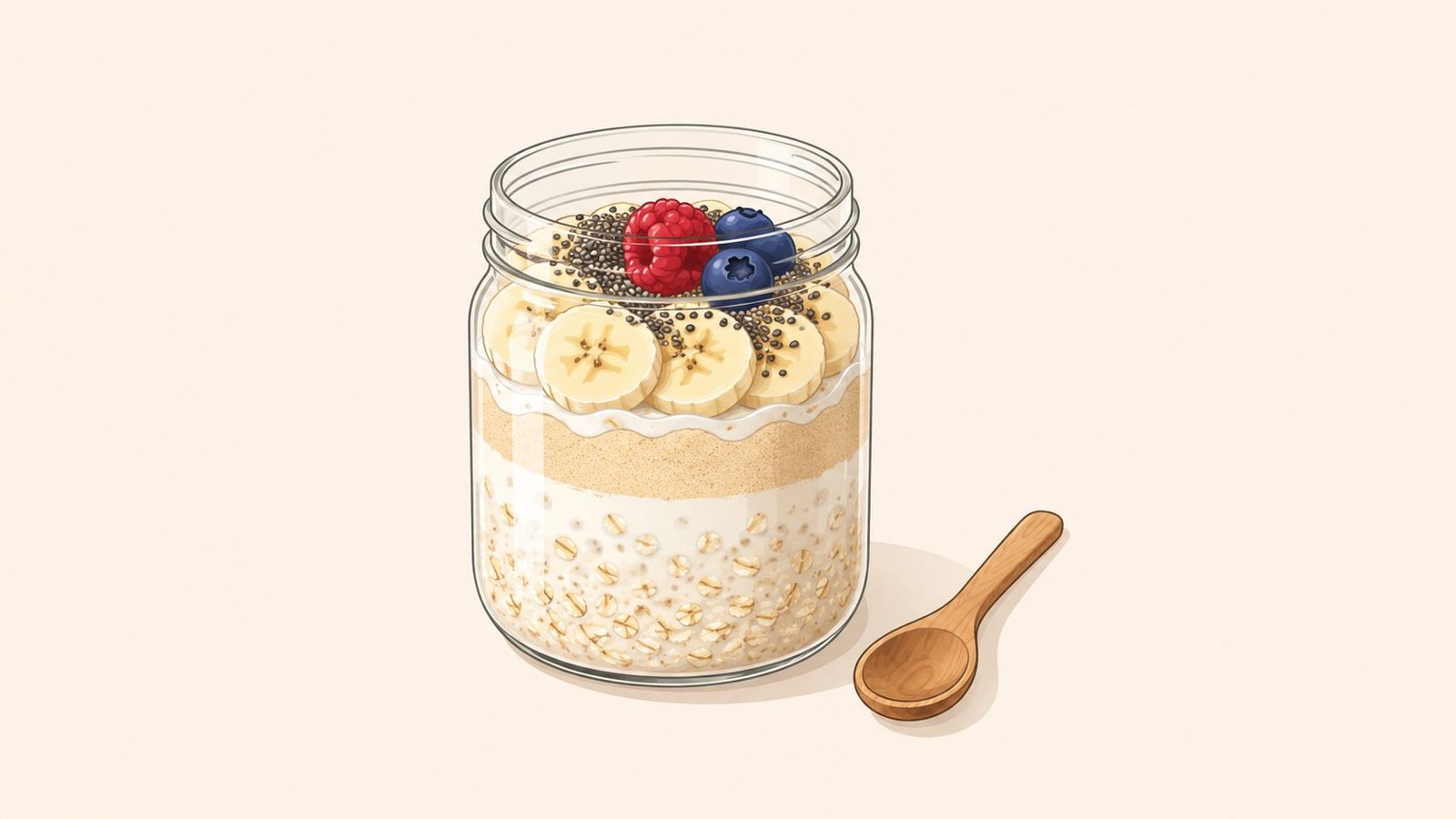
This is a smart post workout breakfast for runners, cyclists, and anyone training early before work. It's also one of the easiest ways to avoid skipping recovery food entirely. A college student with one mini-fridge can make it. An executive can prep five jars on Sunday and not think about breakfast again until Friday.
Why endurance athletes tend to do well with it
A 2025 review in PMC found that breakfast consumption may benefit acute long-duration endurance exercise lasting more than 60 minutes, while showing little to no meaningful impact on acute resistance training or longer-term resistance adaptations. The same review noted that body-composition differences with breakfast omission were largely explained by lower total calorie intake rather than a special metabolic effect (2025 review on breakfast, endurance exercise, and resistance outcomes).
That lines up with what I see in practice. Lifters often do fine with several different post workout breakfast styles as long as total daily intake is solid. Endurance athletes usually feel the difference more when they miss carbs after hard sessions.
A few ways to keep overnight oats from becoming glue in a jar:
- Start simple: Oats, milk, yogurt, protein powder. Fix the texture before adding extras.
- Use toppings strategically: Berries brighten it up. Nut butter makes it richer. Chia thickens fast.
- Save the recipe in-app: Repeating meals should be easy, not a daily rebuild.
If you want more variation than plain vanilla jars, these recipes with protein powder can keep the format fresh without making breakfast complicated.
PlateBird fits this meal well because overnight oats are predictable. Save your base recipe once, then snap a photo or type in the small add-ons when you change toppings.
4. Cottage Cheese Bowl with Granola and Fruit
Cottage cheese is one of those foods people either swear by or avoid because of texture. If you can get past that hurdle, it makes an excellent post workout breakfast.
The easiest version is a bowl of cottage cheese, granola, and fruit. Blueberries, raspberries, pineapple, or sliced banana all work. Granola adds crunch and carbohydrates, fruit adds freshness, and cottage cheese brings the protein anchor that keeps the meal from turning into a snack.
This is popular with lifters and health-conscious parents because it takes almost no prep. It also works well for people who don't want eggs every morning but still want a protein-forward breakfast.
The real trade-off
The upside is convenience and staying power. The downside is that cottage cheese can feel repetitive fast, and many granolas make the bowl look healthier than it is. If the bowl is mostly sugary granola with a token scoop of dairy, recovery takes a back seat to taste.
A better build looks like this:
- Lead with the protein: Make cottage cheese the base, not the garnish.
- Use fruit for sweetness: Berries or sliced peaches usually do enough.
- Treat granola as a topping: It should add crunch, not overwhelm the bowl.
A cottage cheese bowl works best when you build it like a recovery meal first and a parfait second.
If texture is the issue, stir in a little Greek yogurt to smooth it out. If sodium is a concern for your preferences, compare labels and choose a lower-sodium version when available. If mornings are rushed, portion a few containers ahead of time and add granola right before eating so it stays crisp.
PlateBird's photo logging is practical here because bowls are hard to describe consistently from memory. Snap the bowl, review the components, and adjust the portions if you went heavier on granola or nuts than usual.
5. Smoked Salmon and Avocado Toast
Some mornings call for something that feels a little more substantial and a little less like gym food. Smoked salmon and avocado toast does that well.
Use whole grain or sourdough toast, mash avocado on top, then layer smoked salmon, capers, red onion, or microgreens if you want extra bite. It's a premium-feeling post workout breakfast, but it still fits recovery logic. You get protein from the salmon, carbohydrates from the bread, and fats that make the meal more satisfying.
This is especially good for people who hate sweet breakfasts. A lot of post-workout advice defaults to oats, smoothies, and fruit. That works for many people, but some do better with a savory plate they look forward to eating.
When to choose this over sweeter options
I'd use this after moderate training sessions, weekend workouts, or on days when hunger stays high for hours after the gym. It's also useful for people who tend to raid the snack drawer by mid-morning. The added richness helps.
The catch is cost. Smoked salmon isn't the most budget-friendly protein, and avocado can be hit or miss. That doesn't mean you need to scrap the idea. You can freeze portions of smoked salmon or swap in canned salmon when needed. The meal loses a bit of elegance, but not its usefulness.
A few practical upgrades:
- Toast the bread well: It keeps the avocado from making everything soggy.
- Add lemon to the avocado: Better flavor, better texture.
- Log the parts separately: Smoked salmon, avocado, whole grain bread, capers is more accurate than calling it "toast."
This breakfast also highlights a point many people miss. Recovery nutrition doesn't need to look like traditional breakfast. The key need is still protein, carbohydrates, and fluids, whether the meal is toast and yogurt or rice and chicken, as discussed in this practical piece on flexible post-workout meal choices.
6. Chicken Breast with Sweet Potato and Greens
You finish a hard morning session, open the fridge, and need a meal that feels like recovery, not a snack with good marketing. This is one of the breakfasts I keep coming back to for that job.
Chicken breast, sweet potato, and greens works well after lifting blocks, longer conditioning sessions, or any workout that leaves you properly hungry. It gives you a clear mix of protein, carbohydrate, and fiber without much guesswork. For people focused on body composition, that simplicity helps. Portions are easier to repeat, and repeatable meals are usually the ones that stick.
Here's a simple demo if you want the visual version before making it yourself:
Why this works so well after tougher sessions
After training, I want a breakfast that covers two jobs. Protein helps repair muscle tissue. A solid carb source helps refill energy stores, especially if the session was long, intense, or you plan to train again later. Sweet potato is useful here because it reheats well, tastes good with simple seasoning, and usually sits better than heavier fried sides first thing in the morning.
Greens do not need to carry the meal. Their role is practical. They add volume, color, potassium, and a bit of balance so the plate does not feel like dry meal prep in a bowl. Spinach, kale, or roasted broccoli all work.
The trade-off is convenience. Chicken and sweet potato is a strong breakfast only if you prep it ahead of time. If you wait until 7:30 a.m. to start cooking raw chicken, you will stop making this fast.
A setup that works in real life:
- Cook extra chicken at dinner: Breakfast gets easier when tomorrow's protein is already done.
- Use roasted or microwaved sweet potatoes: Both are fine. The best choice is the one you will prep.
- Add sauce with some restraint: Salsa, hot sauce, tahini, or Greek yogurt can fix dryness fast.
- Season the greens well: Salt, lemon, and olive oil make a bigger difference than people expect.
If your goal also includes leaning out, this guide on a post-workout meal for weight loss pairs well with this savory approach.
For a lighter option on days when a full plate feels too heavy, a Nutritious plant-based morning drink can make more sense.
PlateBird makes this kind of meal easier to keep consistent. Snap the plate if you batch-cooked it and want speed, or type "chicken breast sweet potato spinach" if you need a quick log before work. That matters more than people think. The best post workout breakfast is the one you can repeat, track without friction, and adjust based on how you train.
7. Protein Smoothie Bowl with Granola Topping
A smoothie bowl is useful when you want something cold, fast, and easy to digest, but still substantial enough to count as a meal.
Blend protein powder, banana, Greek yogurt, and milk into a thick base. Pour it into a bowl, then finish with granola, seeds, coconut flakes, or a little nut butter. You get the speed of a shake with better texture and more staying power.
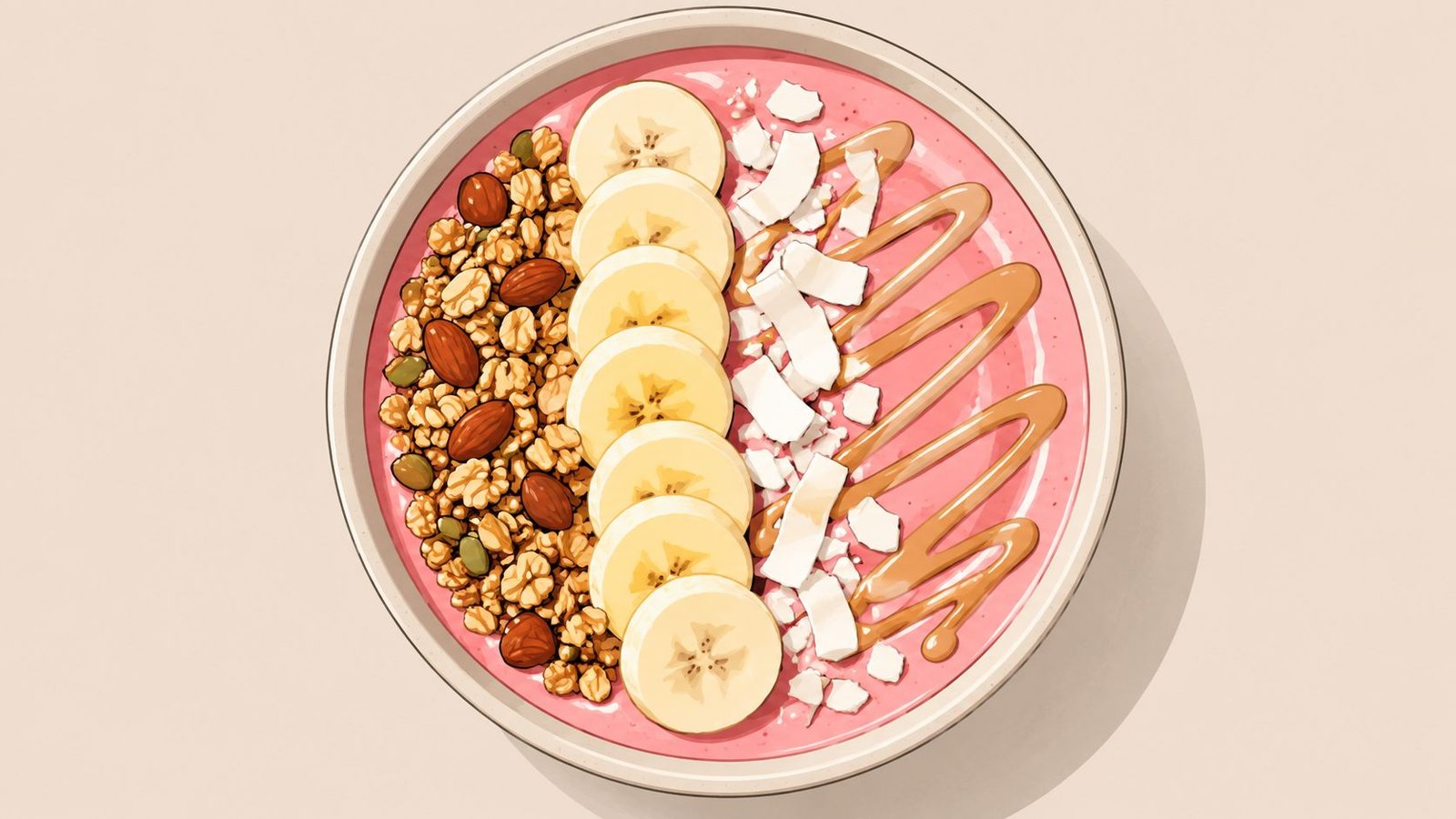
This style is common in warm climates, after swim sessions, and during summer training blocks when hot eggs and toast feel heavy. It's also a good compromise for people who like smoothies but need something more satisfying than drinking breakfast in three gulps.
The mistake most people make with smoothie bowls
They turn them into dessert. The base is too light, the toppings get out of hand, and suddenly the bowl looks athletic but doesn't align with the day's goals.
A better way to use this as a post workout breakfast:
- Build the base around protein first: Don't rely on toppings to save it.
- Use frozen banana for texture: You won't need as much ice or extra liquid.
- Keep granola purposeful: Enough for crunch, not enough to bury the bowl.
If a smoothie bowl looks beautiful but leaves you hunting for snacks an hour later, it needs more protein and less decoration.
PlateBird's photo feature fits this meal well because toppings vary from day to day. Snap the finished bowl, then review the breakdown instead of trying to remember whether you added chia seeds, peanut butter, or extra granola.
If you like liquid breakfasts but want some plant-forward inspiration, this nutritious plant-based morning drink gives you another flavor direction.
8. Greek Yogurt Parfait with Granola and Honey
This is one of the most reliable no-cook breakfasts in the whole rotation. It's fast, easy to portion, and doesn't require a blender, pan, or meal-prep session.
Layer thick Greek yogurt with berries, granola, honey, and a handful of nuts. Done right, it works as a post workout breakfast because it checks the basics without asking much from you. There's quality protein from the yogurt, carbohydrates from the granola and honey, and enough texture contrast to make it feel like a real meal.
It's a favorite for busy parents, office workers, and anyone whose morning falls apart the second breakfast takes more than two minutes. It's also one of the easiest meals to keep consistent because the shopping list is simple.
Keep it simple and protein-aware
One source in the set gives a concrete breakfast target and recommends at least 20 to 30 grams of protein at breakfast, which is useful because many "healthy" parfaits fall short if the yogurt portion is too small or the granola dominates the cup (Retro Fitness guidance on high-protein breakfast options).
That's the main trap here. People call it high protein because Greek yogurt is involved, but then the bowl becomes mostly sweet toppings. A better approach is to start with a generous yogurt base and let the granola and honey support it, not lead it.
A few practical habits help:
- Use plain Greek yogurt: It gives you more control over sweetness.
- Add granola right before eating if possible: Crunch matters.
- Measure honey once or twice: People often pour more than they realize.
For quick tracking, typing greek yogurt granola berries honey almonds into PlateBird is usually faster than searching for every branded variation. If it becomes your weekday staple, save it as a shortcut and stop rebuilding the same breakfast every morning.
8-Option Post-Workout Breakfast Comparison
| Item | 🔄 Implementation Complexity | ⚡ Prep Time / Efficiency | 📊 Expected Outcomes | Ideal Use Cases | ⭐ Key Advantages | 💡 Tips |
|---|---|---|---|---|---|---|
| Protein Pancakes with Greek Yogurt | Medium, mixing + pan-cook | 10–15 min, quick but not grab-and-go | 30–40g protein, 40–50g carbs, supports muscle repair & glycogen | Post-workout within 30–60 min; meal-prep for lifters | High protein/leucine, filling, probiotic boost | Use unflavored powder, prep batter night before, add banana |
| Egg White Omelet with Whole Grain Toast | Low, basic stovetop cooking | 5–10 min, very fast | 24–30g protein, low fat, lean muscle support, low calories | Cutting phases, quick breakfasts, macro-controlled diets | Ultra-lean protein, economical, easy to scale | Cook veg first, use non-stick, add salsa/herbs |
| Overnight Oats with Protein Powder | Very low, assemble night before | 0–1 min morning, zero morning prep | 25–35g protein, 50–60g carbs, sustained energy & prolonged MPS | Busy mornings, early workouts, meal-prep routines | Extremely convenient, high fiber, customizable | 1:1 oats:liquid, add chia, store in mason jars |
| Cottage Cheese Bowl with Granola and Fruit | Very low, simple assembly | 2–5 min, quick | 25–35g protein, moderate carbs, casein for slow release & satiety | Pre-bed protein, recomposition, budget-friendly meals | High protein density, long satiety, affordable | Choose low-sodium, mix with Greek yogurt for texture |
| Smoked Salmon and Avocado Toast | Low–Medium, assembly + perishables | 3–5 min, quick assembly | 20–25g protein, higher healthy fats, omega‑3 anti-inflammatory benefits | Nutrient-dense brunches, special-occasion recovery meals | Rich micronutrients & omega‑3s, satisfying fats | Freeze surplus salmon, use ripe avocado, toast lightly |
| Chicken Breast with Sweet Potato and Greens | Medium, requires cooking / meal-prep | 15–30 min (or batch cook), moderate | 35–42g protein, balanced macros, highest protein-to-calorie ratio | Body composition, serious lifters, meal-prep staples | Max protein density, long satiety, scalable portions | Batch cook chicken, season well, reheat; wait after intense cardio |
| Protein Smoothie Bowl with Granola Topping | Low, blend + top | 3–5 min, very fast | 25–35g protein, 45–60g carbs, rapid nutrient delivery & hydration | Immediate post-workout, summer, sensitive stomachs | Fast absorption, highly customizable, visually appealing | Use frozen banana, add spinach, control granola portions |
| Greek Yogurt Parfait with Granola and Honey | Very low, assemble components | 1–2 min, instant assembly | 20–28g protein, 40–50g carbs, balanced energy + probiotics | Quick breakfasts, meal-prep jars, gut-health focus | Convenient, probiotic benefit, meal-prep friendly | Layer reverse for storage, use plain yogurt, add granola before eating |
From Recipe to Routine Make Your Breakfast Count
The best post workout breakfast isn't the fanciest one on your feed. It's the one you'll eat after training, enjoy enough to repeat, and log without turning nutrition into a second job.
That's why these breakfasts work. They cover different appetites, budgets, schedules, and training styles. Protein pancakes feel rewarding. Egg white omelets stay lean and simple. Overnight oats remove morning friction. Chicken and sweet potato suit people who want clear structure. Yogurt bowls and parfaits cover the no-cook crowd. None of them are magic. All of them can be useful.
The biggest shift I'd recommend is moving away from perfection and toward repeatability. You don't need a flawless nutrient matrix after every session. You need a meal with protein and carbs, eaten soon enough after training that recovery doesn't get pushed aside by work, school, or errands.
The modern evidence also supports a calmer view of timing. For many people, this isn't about panicking if breakfast doesn't happen the second they rerack the final weight. It's about consistently hitting a meaningful protein intake, pairing it with carbohydrates when the session calls for it, and adjusting the meal to the kind of training you did. Endurance work often benefits more from a stronger carb emphasis. Pure strength training usually depends more on your total daily intake than on forcing one exact breakfast formula.
That's where habit systems matter. Even strong nutrition advice falls apart if logging is annoying. Individuals often don't quit because they stopped caring. They quit because tracking becomes one more task in a crowded day. PlateBird solves that problem in the most practical way possible. You can snap a photo of a yogurt bowl, type chicken sweet potato spinach, or save your usual overnight oats as a reusable meal. That removes the friction that usually breaks consistency.
The best nutrition plan is the one that still works when you're busy, tired, and not in the mood to measure every blueberry.
If you're building your own rotation, keep it narrow at first. Pick two or three breakfasts that match your actual life. One for rushed weekdays. One for hungrier training days. One for weekends or slower mornings. Repeat them until they become automatic.
Your next personal best probably won't come from a dramatic change. It'll come from stacking ordinary, well-chosen meals often enough that recovery becomes part of your routine instead of an afterthought. Tomorrow morning is a good place to start.
PlateBird makes post workout breakfast tracking as easy as eating it. Type something simple like “eggs toast coffee” or “chicken sweet potato spinach,” snap a photo of your plate, and let PlateBird calculate the calories and macros without the usual app friction. If you want to stay consistent with protein, recovery, or weight-loss goals, it's one of the easiest ways to turn good breakfast choices into a routine you'll keep.