- 1. Grilled Chicken Breast with Roasted Vegetables
- 2. Greek Yogurt Protein Parfait with Berries and Granola
- 3. Egg White Scramble with Spinach and Mushrooms
- 4. Lentil and Vegetable Soup
- 5. Tilapia or White Fish with Sweet Potato and Asparagus
- 6. Chickpea and Quinoa Buddha Bowl
- 7. Turkey and Veggie Lettuce Wraps
- 8. Oatmeal with Protein Powder and Berries
- 8-Recipe Weight-Loss Comparison
- Your Next Step From Recipe to Results
It's 6:30 p.m., you're hungry, and the plan to “eat healthy” starts falling apart the second you open the fridge. What helps in that moment is not more motivation. It's having a short list of meals that are filling, easy to repeat, and easy to track without turning dinner into homework.
That's what a good recipe for weight loss needs to do. It should make portion control easier, keep hunger manageable, and fit a real schedule on a worknight. In coaching, I've found that adherence usually breaks for one of two reasons: the food is unsatisfying, or tracking feels annoying enough that people stop doing it.
This list is built to solve both problems. The meals center on protein, fiber, and straightforward ingredients you can prep without much fuss. They also pair well with PlateBird, which matters more than people expect. If logging a meal takes too long, consistency drops fast. A quick type it or snap it entry removes that friction, whether you're recording grilled chicken and vegetables or checking grilled chicken nutrition facts in PlateBird before you build your plate.
Weight loss still depends on a calorie deficit, but the better strategy is the one you can repeat for weeks, not two intense days. For a broader look at addressing weight loss plateaus effectively, it helps to combine solid meals with a tracking system you'll consistently use.
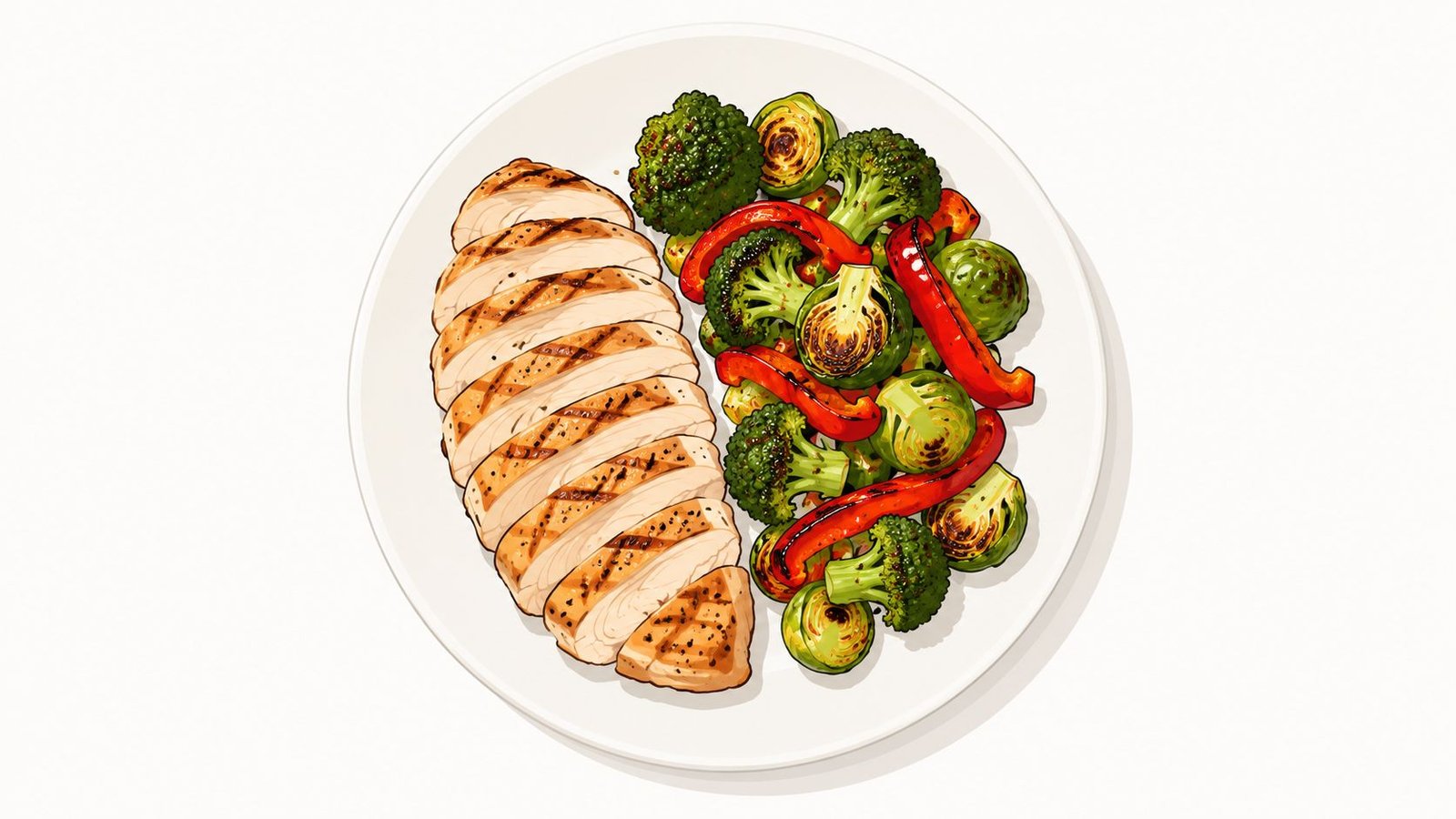
1. Grilled Chicken Breast with Roasted Vegetables
This is the meal people roll their eyes at until they make it properly. Then it becomes the reliable fallback that saves the week. Grilled chicken with roasted broccoli, Brussels sprouts, and bell peppers works because it's simple, filling, and easy to portion without much guesswork.
In practice, this is one of the better choices when you want a dependable recipe for weight loss and don't want dinner decisions draining your willpower. I'd rather see someone eat a well-seasoned repeat meal four times a week than chase novelty and end up ordering takeout twice.
How to make it work all week
Use a meat thermometer. Chicken breast goes from juicy to chalky fast, so pull it once it reaches 165°F internally. Season with lemon, garlic, paprika, black pepper, or Italian herbs instead of pouring on heavy sauces.
For the vegetables, roast a big tray at high heat so they caramelize instead of steam. That matters. People don't abandon healthy eating because vegetables are bad. They abandon it because they keep cooking them badly.
- Batch-cook the protein: Grill several chicken breasts at once so lunch is already handled.
- Rotate the vegetables: Keep broccoli one day, then swap in peppers or Brussels sprouts the next so the meal doesn't feel stale.
- Keep flavor lean: Use citrus, vinegar, herbs, mustard, and dry spices before reaching for creamy dressings.
Practical rule: If your “healthy meal” tastes like diet food, fix the seasoning before you blame the plan.
For nutrition specifics on the protein itself, PlateBird's guide to grilled chicken nutrition facts is useful.
The easy logging phrase is: grilled chicken broccoli. Type that into PlateBird, adjust the portions if needed, and move on.
2. Greek Yogurt Protein Parfait with Berries and Granola
You get home late, want something sweet, and need it to stop at one serving. A Greek yogurt parfait handles that job well because it gives you protein, texture, and enough flavor to feel like a real snack instead of a compromise.
The part that usually knocks this meal off track is not the yogurt or the fruit. It is the casual granola pour that turns a solid weight-loss meal into a dessert-sized portion.
Build it so it actually helps
Use plain Greek yogurt as the base, then add berries for sweetness and volume. Measure the granola instead of eyeballing it. That one habit changes the calorie total more than people expect.
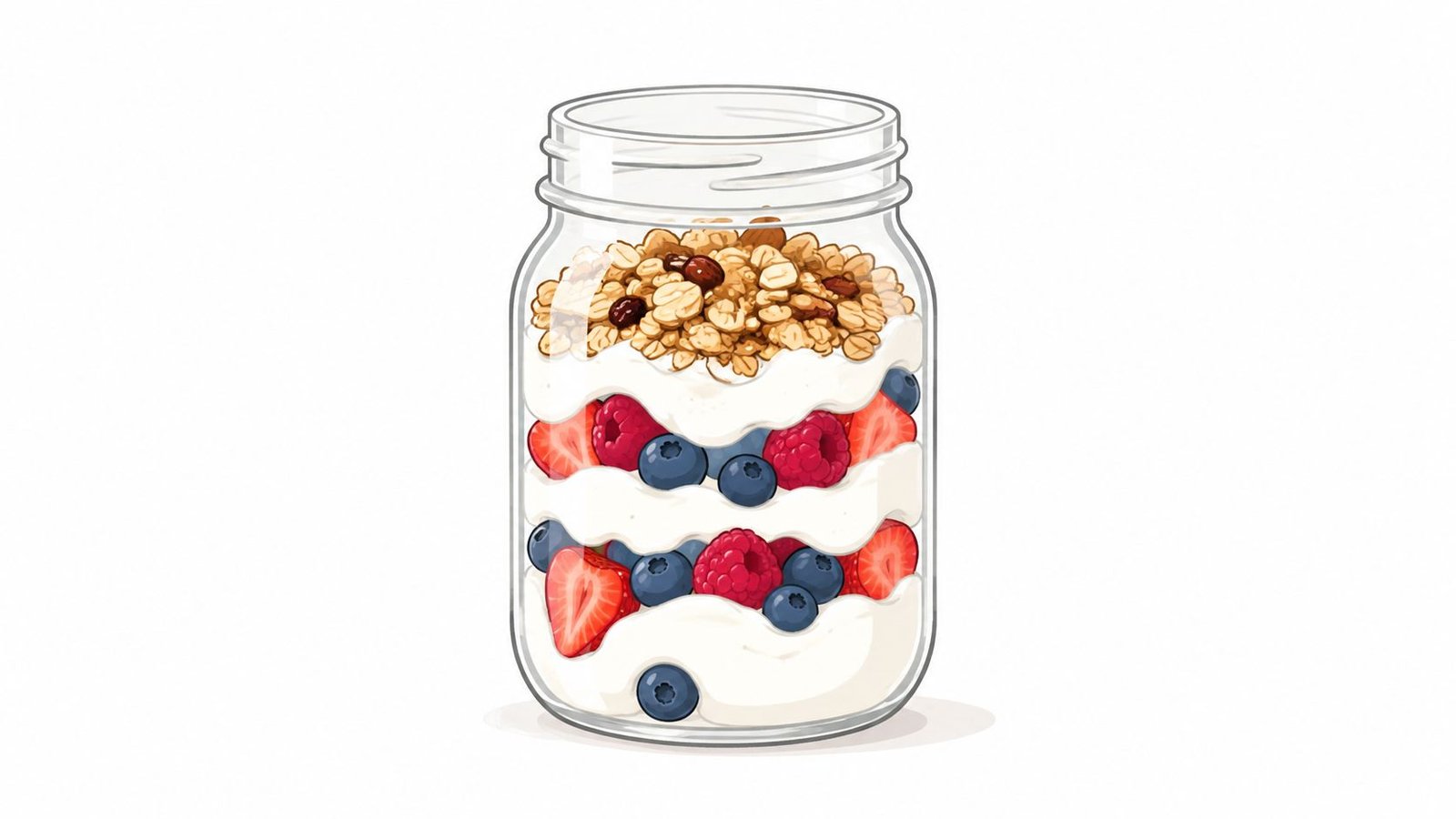
If hunger tends to come back fast, use a thicker Greek yogurt and keep the berry portion generous. If crunch matters more to you, add a smaller amount of granola and stretch the texture with chopped almonds or pumpkin seeds. The trade-off is simple. More granola usually means a tastier parfait, but it also makes portion control harder.
This is also one of the easiest meals to prep ahead without getting tired of it. Keep two or three jars ready in the fridge, but store the granola separately until you eat. That preserves the crunch and keeps the parfait from turning soggy by day two.
- Choose plain yogurt: Flavored yogurts can push sweetness up fast.
- Use berries generously: They add volume and make the bowl feel more satisfying.
- Measure crunchy toppings: Granola, nuts, and seeds are useful, but they are easy to overdo.
If you want to compare options at the store, PlateBird's guide to protein in yogurt is a helpful shortcut.
For logging, this meal is exactly why PlateBird is useful. Snap the parfait or type greek yogurt berries granola. You get the meal logged without picking through every layer manually, which removes one of the biggest tracking friction points for busy mornings and late-night snacks.
3. Egg White Scramble with Spinach and Mushrooms
Some meals are glamorous. This isn't one of them. It's just effective.
An egg white scramble with spinach and mushrooms is one of the best low-effort breakfasts when you want high protein without burning a chunk of your daily calories early. It also gives you a lot of plate volume, which matters more than is generally acknowledged.
Why this one sticks
The key is texture and seasoning. Bland egg whites are miserable. Cook the mushrooms first so they lose water and develop flavor, toss in spinach until it wilts, then add the egg whites. Finish with pepper, garlic powder, chili flakes, or hot sauce.
If you need more staying power, add one whole egg sometimes instead of trying to white-knuckle your way through hunger. That small adjustment often improves satisfaction enough to prevent overeating later.
Add as much spinach and mushroom volume as the pan will hold. A fuller plate usually feels easier to stick with than a tiny “perfect” portion.
There's also a real behavioral advantage here. Breakfast is where many people either lock in a decent day or spend the rest of it trying to recover from an overly sweet, low-protein start. A scramble like this keeps the first meal simple enough to repeat.
Use cooking spray or a nonstick pan so the calories don't creep up through oil. Pair it with a slice of whole grain toast if you train in the morning or know you need something more substantial.
The PlateBird logging phrase is easy: egg white scramble spinach mushrooms. That's much faster than searching each ingredient one by one, which is exactly why simpler meals tend to stay in rotation.
4. Lentil and Vegetable Soup
If you've only been told to eat less, soup can feel almost too generous to count as weight-loss food. That's one reason it works. Lentil and vegetable soup gives you warmth, fiber, and a bowl that looks abundant instead of restrictive.
Sustainability usually falls apart when meals feel punishing. Understanding this, recent discussion around weight loss points to an overlooked principle: energy density. Meals built around protein, fiber, minimally processed foods, and water-rich ingredients tend to improve satiety and adherence better than plain restriction, as described in this National Geographic report on why eating less can backfire.
Make it more filling, not more complicated
Use lentils, tomatoes, onion, celery, carrots, and broth as the base. Red lentils give you a softer, creamier soup. Brown lentils stay firmer and feel heartier. Both work.
Keep the consistency closer to soup than stew if fullness is your goal. More broth and vegetables usually create a bigger, more satisfying serving. That's a practical trick, not a magic one, but it helps.
- Cook a large pot: Soup is one of the few meal-prep foods that often tastes better the next day.
- Freeze individual portions: This prevents the “nothing's ready, I'll just order something” problem.
- Add greens late: Stir in spinach near the end so it keeps some texture and color.
For a broader approach to building meals like this into your routine, PlateBird's guide to meal planning for weight loss is worth bookmarking.
Type lentil vegetable soup into PlateBird and adjust from there. This is the kind of recurring lunch that becomes much more useful when logging it takes seconds instead of feeling like paperwork.
5. Tilapia or White Fish with Sweet Potato and Asparagus
You get home hungry, chicken sounds boring again, and takeout starts to look easier than sticking to the plan. This is the dinner I use for that moment. White fish, sweet potato, and asparagus gives you a lighter plate without creating the “I still need something after this” problem.
The sweet potato matters here. A measured portion gives the meal enough staying power that dinner feels complete, which is often the difference between finishing satisfied and roaming the kitchen an hour later.
The trade-off to know
Fish takes a little more attention than chicken. It cooks fast, dries out fast, and usually does not reheat as well after several days in the fridge. That is the downside.
The upside is speed. Tilapia, cod, haddock, or another white fish can be cooked in minutes, which makes this one of the better low-effort dinners for busy weeknights. Keep the seasoning simple. Lemon, garlic, black pepper, dill, parsley, or smoked paprika all work well. Roast the sweet potato with the skin on for better texture, and cook the asparagus until tender with a bit of bite left.
I usually tell clients to prep the potato and asparagus ahead, then cook the fish fresh if possible. That keeps the meal practical without asking you to eat reheated fish five days in a row.
When clients say they're tired of “diet meals,” fish plus a smart carb is often the first dinner that makes the plan feel normal again.
As noted earlier, the best weight-loss meals are usually the ones you can repeat consistently, not the ones that chase a perfect macro split. This one works because it is light, filling enough, and easy to log without guesswork.
The PlateBird phrase is: tilapia sweet potato asparagus. If you type it or snap it, you can log dinner in seconds and adjust the fish choice if you used cod, pollock, or another white fish instead.
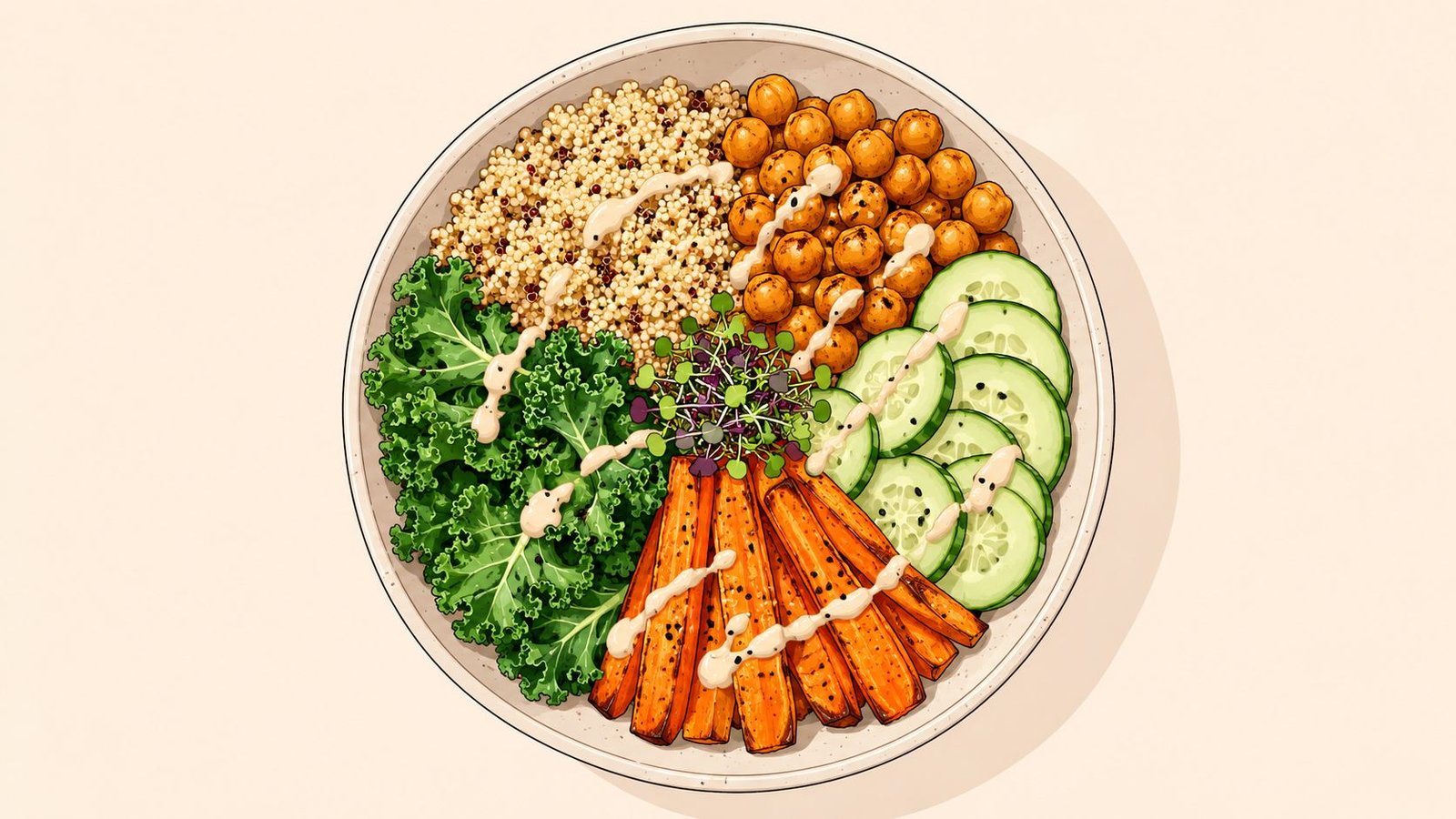
6. Chickpea and Quinoa Buddha Bowl
You build a grain bowl because it sounds like the healthy choice, then the calories pile up fast from generous scoops of tahini, avocado, nuts, and oil-roasted vegetables. That is the trap with this meal. The fix is simple. Keep the base measured, pile on high-volume vegetables, and use the rich toppings with intent.
Start with cooked quinoa, roasted chickpeas, and a mix of vegetables that gives you crunch and bulk. Kale, cucumber, carrots, roasted broccoli, spinach, beets, and peppers all fit well. A good bowl should feel full before the dressing goes on.
Build the bowl with portion control in mind
The chickpeas and quinoa do the heavy lifting for staying power, but they also make it easy to overserve if you are eyeballing portions. I usually have clients decide what the bowl is supposed to be before they assemble it. Is it a lighter lunch, or a dinner that needs more substance? That one choice keeps the add-ons under control.
Tahini works well here, but a small drizzle is enough. The same goes for seeds, avocado, feta, and roasted vegetables cooked with a lot of oil. Any one of those can fit. Stacking all of them in one bowl usually turns a solid weight-loss meal into a dense one.
This is also one of the better budget-friendly repeats in a fat-loss plan. Quinoa, chickpeas, and sturdy vegetables store well, travel well, and can be batch prepped without getting boring after one day. That matters for adherence. Research on underserved populations points in a similar direction. Progress improves when meals are affordable, portion-aware, and connected to simple routines people can keep, as discussed in BMJ Open on obesity treatment for underserved groups.
A quick demo can help if you want another bowl variation:
Season the chickpeas well so the bowl does not rely on extra dressing for flavor. Paprika, cumin, garlic powder, lemon, and black pepper usually cover it.
The PlateBird phrase is: quinoa chickpea bowl vegetables. Type it or snap it, and you can log the meal in seconds without rebuilding every ingredient from scratch.
7. Turkey and Veggie Lettuce Wraps
You get home hungry, want something you can eat with your hands, and do not want dinner to turn into takeout calories. Turkey and veggie lettuce wraps solve that problem well. They eat like comfort food, but the structure keeps portions easier to control than sandwiches, tacos, or a big bowl of rice.
I use these a lot with clients who are tired of repetitive meal-prep containers. Texture matters more than people think. If the meal has crunch, heat, and a solid savory bite, it is much easier to repeat through the week.
Make the filling worth eating on its own
Start with lean ground turkey, then build in finely chopped vegetables that add bulk and bite without making the filling watery. Onions, mushrooms, bell peppers, water chestnuts, and jicama all work. Water chestnuts are especially useful here. They keep their crunch after cooking, which helps the wraps feel complete instead of like diet food.
Season the pan like it needs no rescue sauce later. Garlic, ginger, soy sauce, chili paste, black pepper, and lime usually get the job done. If the filling tastes flat in the skillet, it will still taste flat in lettuce.
Butter lettuce works well if you want softer, cup-shaped wraps. Romaine works better if you want more crunch and less mess. For meal prep, store the filling and lettuce separately. Reheated turkey in one container and cold, dry leaves in another keeps lunch from turning soggy.
A few practical rules help:
- Chop the vegetables small: Smaller pieces stay tucked in the wrap and give you a better meat-to-crunch ratio.
- Use water chestnuts or jicama on purpose: They add texture without needing fried toppings.
- Serve 3 to 4 smaller wraps: That usually feels more satisfying than building one overstuffed wrap that falls apart.
- Watch sugary sauces: Sweet chili sauce, hoisin, and peanut sauce can fit, but they change the calorie total fast.
This is also an easy meal to log consistently because the base stays simple. Type turkey veggie lettuce wraps into PlateBird, or snap your plate before you eat. Then add rice, extra sauce, or a side if you used them. That "type it or snap it" habit removes one of the biggest friction points in weight loss, especially on busy nights when detailed tracking is the first thing people skip.
8. Oatmeal with Protein Powder and Berries
Oatmeal gets dismissed too quickly by people who've only eaten the sugary instant packets. Done right, it's one of the most dependable breakfasts for appetite control, especially if you mix in protein powder and top it with berries instead of turning it into dessert.
This is one of the easiest recipes to prep the night before. It also travels well, reheats well, and doesn't require much thought before a busy morning.
The fix for “oatmeal makes me hungry”
Usually, the oats aren't the problem. The issue is that the bowl is mostly quick carbs with not much protein. Stir in protein powder after cooking, add berries, and use cinnamon for flavor instead of a pile of extras.
If you want it creamier, mix in a little Greek yogurt. If you prefer cold breakfasts, overnight oats work well here too. Keep the toppings tight. Granola, nut butter, and handfuls of nuts can shift the meal away from weight-loss territory fast.
There's also a tracking advantage to simple breakfasts. The easier the meal is to repeat, the easier it is to log consistently. That matters, given that more people are relying on digital tracking. Global active use of calorie or nutrition tracking apps is estimated at 175 to 200 million in 2026, more than doubling since 2018, according to global statistics on calorie tracking app adoption. The appeal is obvious. Less friction means people are more likely to keep going.
A breakfast you can make half-asleep is often better than the “perfect” breakfast you only manage twice a month.
For PlateBird, snap a photo or type oatmeal protein powder berries. That's a good example of where fast logging supports the habit instead of interrupting it.
8-Recipe Weight-Loss Comparison
| Dish | Implementation Complexity 🔄 | Resources & Prep ⚡ | Expected Outcomes 📊⭐ | Ideal Use Cases 💡 | Key Advantages ⭐ |
|---|---|---|---|---|---|
| Grilled Chicken Breast with Roasted Vegetables | Low, basic grilling/roasting skills; low risk 🔄 | Modest ingredients; 20–30 min; grill/pan + oven ⚡ | ~250–300 kcal; 35–40g protein; high satiety 📊 ⭐⭐⭐⭐ | Weight-loss dinners, meal-prep, muscle maintenance 💡 | High protein + fiber, versatile, budget-friendly ⭐ |
| Greek Yogurt Protein Parfait with Berries and Granola | Very low, no-cook assembly 🔄 | Minimal ingredients; 2–3 min; portable ⚡ | 150–200 kcal; 15–20g protein; probiotics & quick satiety 📊 ⭐⭐⭐ | Snack, post-workout, intermittent fasting windows 💡 | High protein-to-calorie, gut-friendly, fast prep ⭐ |
| Egg White Scramble with Spinach and Mushrooms | Low–Medium, simple stovetop cooking; separation needed 🔄 | Few ingredients; <10 min; stovetop or microwave ⚡ | 80–120 kcal; 20–24g protein; very low fat; volume eating 📊 ⭐⭐⭐⭐ | Aggressive caloric deficits, contest prep, volume meals 💡 | Extreme protein efficiency, low calorie, customizable ⭐ |
| Lentil and Vegetable Soup | Low, one-pot but longer cook time 🔄 | Inexpensive pantry staples; 20–30 min (or 10 min pressure cook); freezer-friendly ⚡ | 180–220 kcal; 12–15g protein; 8–10g fiber; high satiety 📊 ⭐⭐⭐ | Plant-based weight loss, budget meal-prep, gut health 💡 | High fiber/volume, vegan-friendly, cost-effective ⭐ |
| Tilapia or White Fish with Sweet Potato and Asparagus | Low–Medium, baking/roasting timing for components 🔄 | Moderate ingredients; 25–30 min; oven + stovetop ⚡ | 300–350 kcal; 35–38g protein; balanced macros; sustained energy 📊 ⭐⭐⭐⭐ | Post-workout recovery, balanced dinners, sustainable weight loss 💡 | Complete meal, lean protein, steady energy ⭐ |
| Chickpea and Quinoa Buddha Bowl | Medium, multiple components and assembly 🔄 | Moderate pantry/time; 30–40 min; tahini adds calories ⚡ | 380–420 kcal; 14–16g protein; 12g+ fiber; complete amino acids 📊 ⭐⭐⭐ | Vegetarian/vegan lunches, nutrient-dense meal-prep 💡 | Complete plant protein, high fiber, highly customizable ⭐ |
| Turkey and Veggie Lettuce Wraps | Low, simple sauté + fresh assembly 🔄 | Minimal ingredients; ~15 min; requires fresh lettuce ⚡ | 150–180 kcal (2–3 wraps); 18–20g protein; very low carbs 📊 ⭐⭐⭐ | Low-carb/keto meals, quick lunches, handheld dinners 💡 | Major calorie saving vs wraps, customizable, fast ⭐ |
| Oatmeal with Protein Powder and Berries | Very low, simple cook or overnight prep 🔄 | Low cost; <5 min prep or overnight; pantry staples ⚡ | 280–320 kcal; 25–30g protein; 7–8g fiber; sustained energy 📊 ⭐⭐⭐⭐ | Breakfast, post-workout, satiety-focused mornings 💡 | Sustained energy, heart-health benefits, versatile ⭐ |
Your Next Step From Recipe to Results
A strong recipe for weight loss doesn't change your body by itself. Repeating that recipe often enough does. That's where the essential effort happens, and it's also where challenges often arise. They find a few meals they like, but they don't prep them, don't log them, or drift back into random eating once the week gets busy.
The good news is that the basics are not complicated. Keep your meals centered on protein, fiber, and minimally processed foods. Use volume to your advantage with soups, vegetables, berries, mushrooms, leafy greens, and other water-rich ingredients. Keep calorie-dense extras intentional. That means dressings, granola, nut butters, oils, and “healthy” toppings don't get to sneak in unnoticed.
The bigger shift is behavioral. Self-monitoring works because it makes intake visible. Mayo Clinic guidance in the clinical review cited earlier highlights keeping a food record as a top success habit, and that lines up with what coaches see in practice. People who can see their patterns can change their patterns. People who rely on memory usually underestimate more than they realize.
That doesn't mean you need perfect tracking or a rigid menu. In fact, perfection tends to backfire. What works better is a small set of repeat meals you like, a realistic calorie target, and a logging method that doesn't feel like homework. When people remove friction, adherence usually improves. That's one reason the broader app category keeps expanding. The global exercise and weight loss apps market is projected to grow at a 17.4% CAGR from 2025 to 2030 and reach USD 2.56 billion by 2030, with tracking apps holding roughly 45% of the segment share, according to Grand View Research on the exercise and weight loss apps market. The market is growing because people want tools that are fast enough to use in real life.
So keep this simple. Pick one breakfast, one lunch, and one dinner from this list. Prep them for the next few days. Use the PlateBird type it or snap it phrases each time you eat them. Once those meals feel automatic, add variety without losing structure.
That's how sustainable progress usually looks. Not dramatic. Not miserable. Just consistent enough to work.
PlateBird makes calorie and macro tracking feel practical instead of tedious. If you want a faster way to stay consistent with every recipe for weight loss in this list, download PlateBird and log meals by typing a quick phrase or snapping a photo. It's free to start, easy to reuse for recurring meal prep, and built for the kind of real-life tracking people stick with.