- Why plant-based home cooking makes tracking harder
- The plant proteins worth building meals around
- How photo-logging actually works for home-cooked meals
- What real plant-based home meals look like in macros
- Time-saving habits for parents who cook and log
- Common mistakes that throw off plant-based photo logs
- A day of plant-based macro logging
- Frequently asked questions
Photo-Log Macros for Plant-Based Parents Cooking at Home
You spent 45 minutes making a lentil and sweet potato stew that the whole family actually ate. Now you’re standing at the sink wondering how many grams of protein were in that bowl, whether the kids got enough, and whether your own portion fit your targets. You have no idea. The recipe was improvised. Nothing was weighed.
That’s the specific friction of photo-log macros for plant-based parents cooking at home. The meals are real, the effort is real, but the numbers vanish the moment dinner ends. Manual logging asks you to reconstruct the meal ingredient by ingredient, which takes longer than the meal itself took to eat.
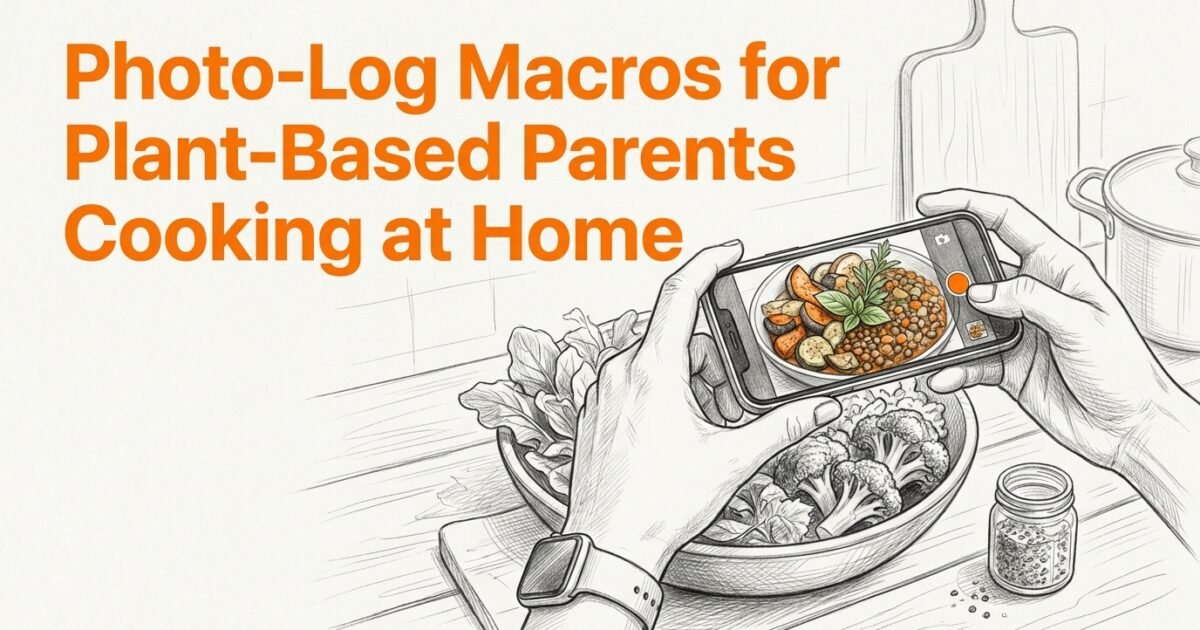
There’s a better approach. Snapping a photo of the finished plate and adding a short description gives you a working macro estimate in seconds, not minutes. It’s not perfect, but it’s consistent, and consistency moves the needle over weeks.
Why plant-based home cooking makes tracking harder
Restaurant meals have nutrition labels, or at least a standardized recipe behind them. Your improvised chickpea curry does not. You added a handful of spinach, swapped brown rice for quinoa, used two different cans of beans, and eyeballed the tahini. That’s five variables with no paper trail.
Plant-based meals also tend to be volume-heavy. A bowl that looks enormous might be 450 calories. One that looks modest might be 600 calories if the nuts and seeds were generous. Visual estimation fails here in ways it doesn’t fail with a chicken breast and a side of broccoli.
Protein is the trickiest part. Plant protein sources vary widely in density, and home cooks combine three or four of them in a single dish. Lentils bring roughly 18 g protein per cooked cup. Chickpeas and black beans land around 15 g per cup. Quinoa adds about 8 g per cup. Stack them in one bowl and you’re somewhere between 25 g and 45 g depending on proportions, which your eyes cannot tell apart.
The result is that plant-based parents either skip tracking entirely or track inconsistently, which makes it hard to know whether the family hits protein targets week over week. If you want a deeper look at why visual estimation goes wrong, this breakdown of underestimating calories in home macro tracking covers the mechanics.
The plant proteins worth building meals around
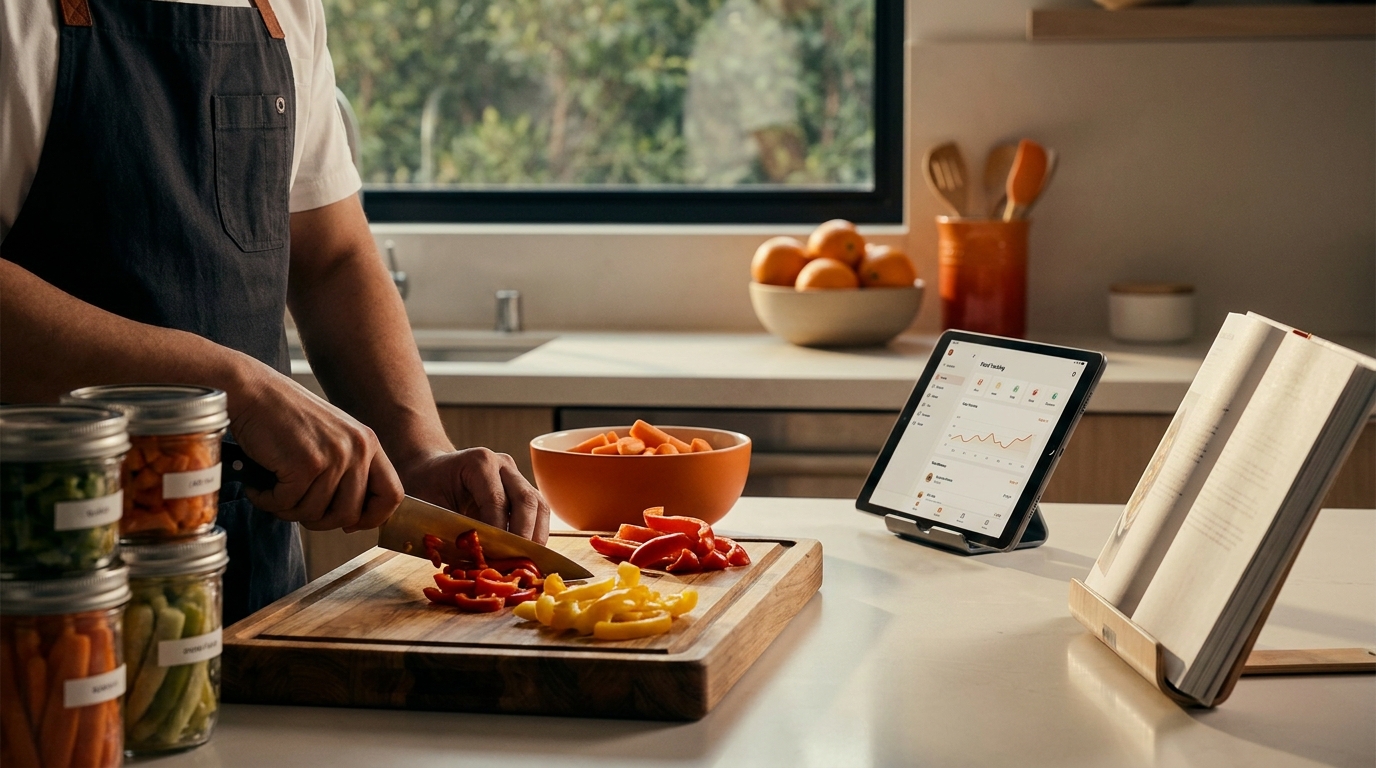
Before photo-logging can work well, you need a mental map of what’s actually in your pantry. These four staples cover most home-cooked plant-based meals and are easy for an AI to recognize in a photo.
Lentils as the workhorse protein
Cooked green or brown lentils give you roughly 18 g protein and 40 g carbs per cup, at around 230 calories. They’re also 16 g fiber per cup, which matters for satiety when you’re feeding kids who need volume. Red lentils cook faster, around 15 minutes, and blend into sauces and soups without visible texture, which helps with picky eaters.
Chickpeas and black beans for flexibility
Both land near 15 g protein and 45 g carbs per cooked cup, at roughly 270 calories. Chickpeas hold their shape in stir-fries and roast well at 400°F for 25 minutes. Black beans go into tacos, grain bowls, and quesadillas without much effort. Either works in a dish that a five-year-old and a teenager will both eat.
Tofu and tempeh for quick weeknight cooking
Firm tofu has about 20 g protein per 250 g serving and takes on whatever flavor you give it. Tempeh is denser, closer to 31 g protein per cup, and has a nuttier taste that works well in tacos and grain bowls. Both photograph clearly, which helps AI logging read them accurately. Hitting protein targets without meat is straightforward once these two are in regular rotation.
Quinoa as a carb-protein base
Quinoa gives you 8 g protein per cooked cup alongside 39 g carbs, at about 220 calories. It’s not a protein powerhouse on its own, but it contributes meaningfully when it’s the base of a bowl that also has beans or tofu. Batch-cook 3 cups on Sunday and you have a base for four or five lunches through the week.
| Food | Serving | Protein | Carbs | Calories |
|---|---|---|---|---|
| Green lentils (cooked) | 1 cup | 18 g | 40 g | 230 |
| Chickpeas (cooked) | 1 cup | 15 g | 45 g | 270 |
| Black beans (cooked) | 1 cup | 15 g | 41 g | 227 |
| Tempeh | 1 cup | 31 g | 16 g | 320 |
| Firm tofu | 250 g | 20 g | 4 g | 180 |
| Quinoa (cooked) | 1 cup | 8 g | 39 g | 220 |
How photo-logging actually works for home-cooked meals
The workflow is simpler than expected. You plate the food, take a top-down photo in decent light, and add a short description. Something like “chickpea and spinach curry over quinoa, medium bowl” is enough. The AI reads the image and text together, then returns a macro breakdown you can review and adjust.
What makes a photo readable
Lighting is the single biggest variable. Natural light or a bright overhead kitchen light works. Dim dining room ambiance does not. Spread the food out so components are visible rather than stacked. A bowl where the quinoa, chickpeas, and greens are all visible in one shot gives the AI more to work with than a mound of mixed ingredients.
Writing a description that helps the AI
Name the main components and the approximate portion. “Two tacos with black beans, shredded cabbage, and avocado” is more useful than “tacos.” If you used a regional ingredient or a homemade sauce, name it explicitly. “Tahini dressing” reads differently than “sauce” in terms of fat content. A few extra words close the gap between a rough estimate and a usable one.
Editing the output
No AI gets every home-cooked meal exactly right on the first pass. If you know you used a full cup of lentils rather than half, adjust the portion. Editing photo-logged entries takes about 20 seconds and is worth doing when a key ingredient is clearly off. Over time, your common meals become easier to log because you recognize the patterns.
The goal isn’t a perfect number every meal. It’s a consistent estimate across enough meals that your weekly totals mean something.
What real plant-based home meals look like in macros
These examples are based on typical home portions, not restaurant servings. They assume a moderately active adult eating around 2,000 calories per day, with a macro split of roughly 55% carbs, 20% protein, and 25% fat.
Breakfast: oats with edamame and hemp seeds
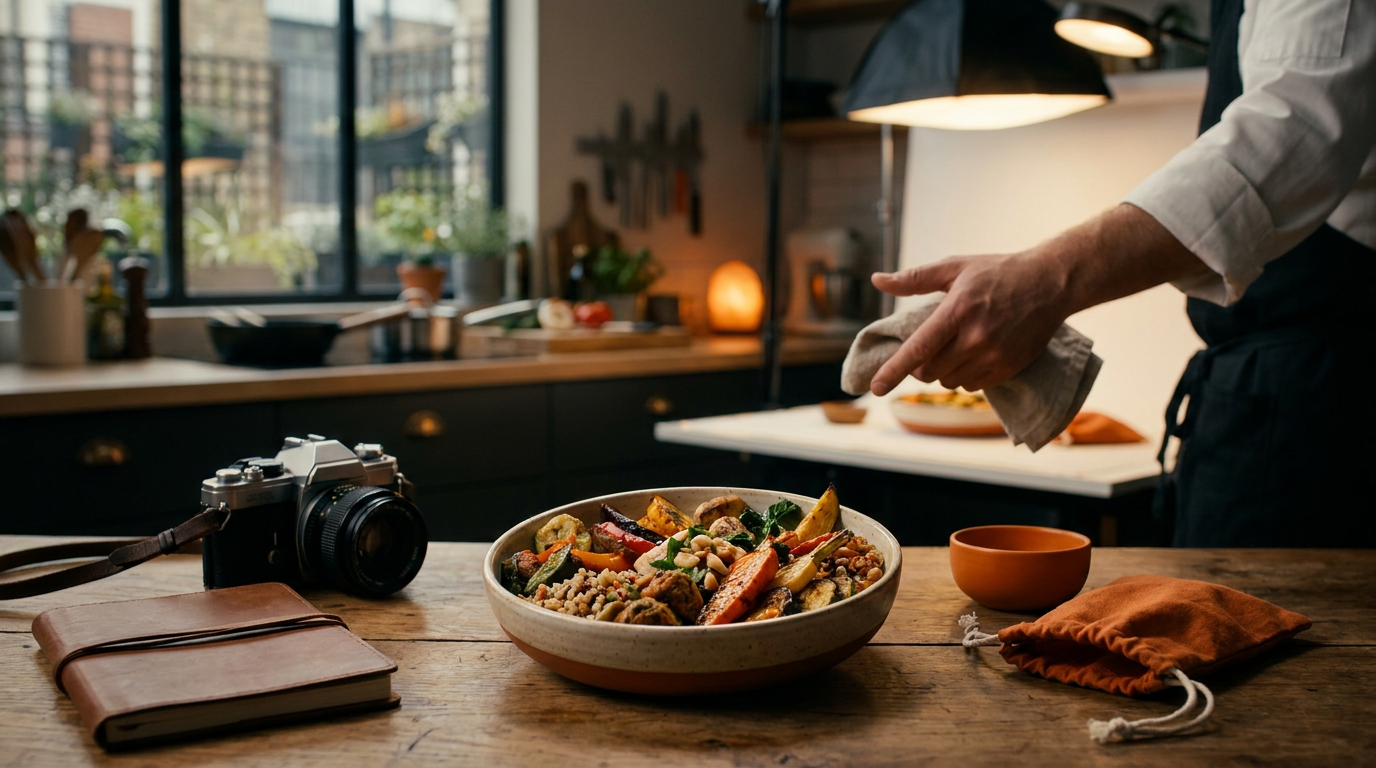
Half a cup of dry oats cooked in water gives you 27 g carbs and 5 g protein. Add half a cup of shelled edamame (8 g protein, 9 g carbs) and two tablespoons of hemp seeds (10 g protein, 2 g fat). Total: roughly 400 calories, 25 g protein, 38 g carbs, 12 g fat. That’s a strong plant-based breakfast that photographs clearly because the components sit on top of each other.
Lunch: hummus and roasted vegetable wrap
A large whole wheat tortilla (200 calories, 35 g carbs), three tablespoons of hummus (130 calories, 5 g protein, 6 g fat), roasted red pepper, cucumber, and half a cup of white beans. Total: around 500 calories, 20 g protein, 65 g carbs, 14 g fat. Lay it flat before rolling for a cleaner photo.
Dinner: black bean tacos with cabbage slaw
Two corn tortillas (110 calories combined), three-quarters cup of seasoned black beans (170 calories, 11 g protein), shredded cabbage, salsa, and a quarter of an avocado (60 calories, 5 g fat). Total per serving: roughly 420 calories, 18 g protein, 62 g carbs, 10 g fat. Scale to two servings for a hungry adult and you’re at 840 calories and 36 g protein from one meal.
Home-cooked plant meals in the 400 to 600 calorie range can hit 20 to 30 g protein per serving when you build around legumes and seeds rather than grains alone.
Time-saving habits for parents who cook and log
The biggest barrier isn’t the logging itself. It’s the mental overhead of remembering to log, finding the app, and doing it while also serving food to children who have strong opinions about where the sauce goes. A few habits reduce that friction.
Batch the proteins, not the whole meal
Cook a large batch of one or two proteins on Sunday. Two cups of dry lentils yields about five cups cooked, which covers four or five dinners. Tempeh can be sliced and marinated in 10 minutes, then stored in the fridge for up to five days. When the proteins are ready, the rest of the meal assembles in 15 minutes, and logging a consistent base ingredient gets faster each time.
Use consistent plating for better AI reads
If you always plate your grain bowls in the same style on the same bowls, the AI builds a more reliable pattern. A wide, shallow bowl shows components more clearly than a deep one. This isn’t about aesthetics. It’s about giving the image enough information to work with. Tracking macros as a busy parent gets easier when the process is repeatable rather than improvised each night.
Log per plate, not per pot
When you’re cooking for four people, log your plate, not the whole batch. A family of four eating the same lentil stew will have different portion sizes. Snap your own bowl, describe it, and let the AI work from what’s actually in front of you. If you want to track what the kids ate, snap their plates separately. It adds 30 seconds and gives you much more accurate numbers than dividing a pot estimate by four.
Common mistakes that throw off plant-based photo logs
Photo-logging plant meals has specific failure modes that don’t apply to logging a burger or a piece of salmon. Knowing them in advance saves frustration.
Stacking instead of spreading
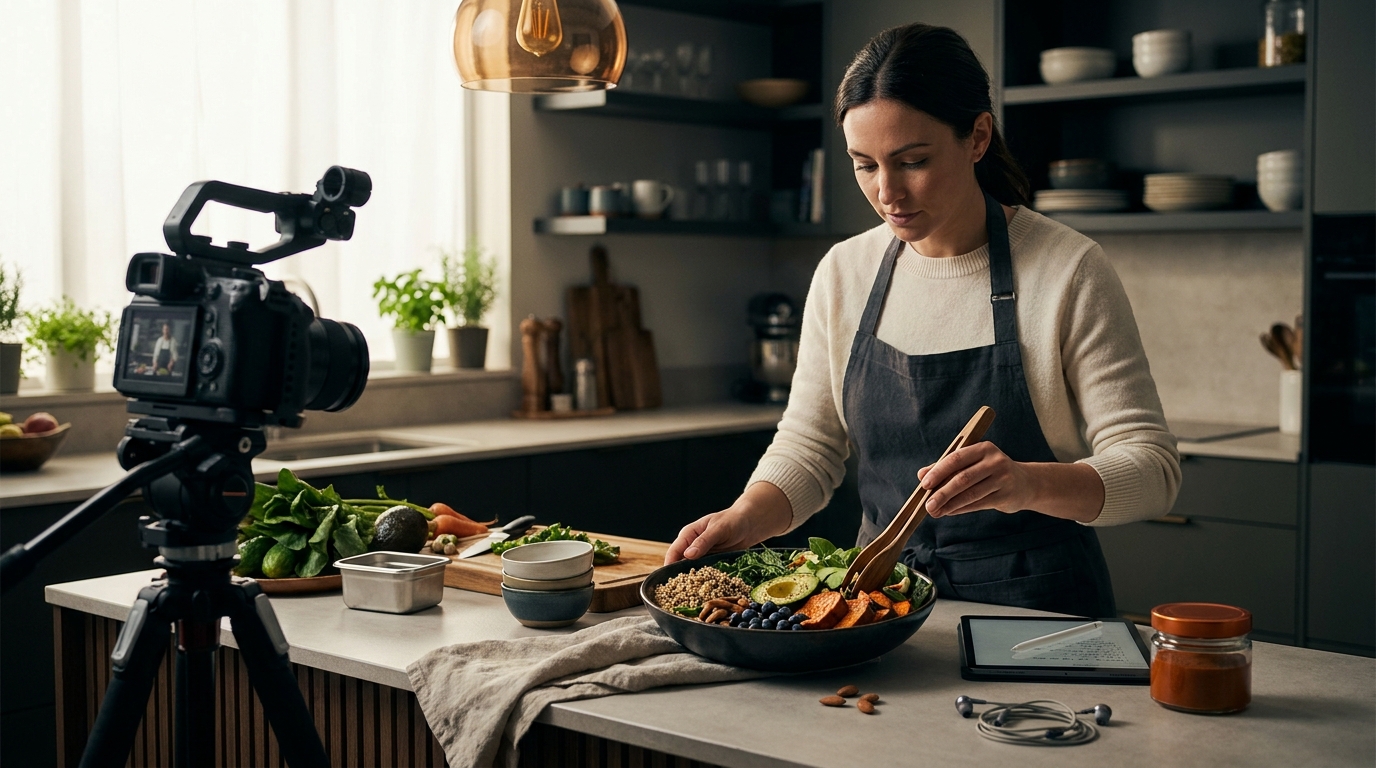
A bowl where everything is piled in the center gives the AI a mound of brown and green. Spread the components so each one is visible. If you’re logging a grain bowl, put the quinoa on one side, the beans on another, and the greens on top. That extra 10 seconds of plating makes the difference between a useful estimate and a vague one.
Skipping the description for sauces and dressings
Tahini, peanut sauce, and cashew cream are all light-colored sauces that look similar in a photo. They are not similar in macros. Two tablespoons of tahini is 178 calories and 16 g fat. Two tablespoons of a light vinaigrette might be 30 calories. Name the sauce in your description. Always.
Not verifying the protein estimate
AI tools are generally better at reading carb-heavy components (rice, bread, pasta) than protein-dense plant foods, because legumes and tofu look similar to each other in a photo. After logging, glance at the protein number. If your bowl had a full cup of lentils and the log says 6 g protein, that’s wrong. Adjust the portion size up until the number reflects what you actually ate. Underestimating calories in home-cooked meals often comes from exactly this kind of unchecked estimate.
In my experience, the protein estimate is the one worth checking every time. Calorie totals tend to land in a reasonable range; protein is where plant-based logs drift the most.
Logging in bad light
Dim warm light turns everything the same shade of amber. The AI can’t distinguish chickpeas from sweet potato from quinoa in a poorly lit photo. Move the plate near a window or under a bright overhead light before snapping. It takes three seconds and noticeably improves accuracy. AI Best AI Nutrition Tracking Apps: Photo-Log Macros Effortlessly apps all perform better with clear, well-lit images, regardless of which one you use.
A day of plant-based macro logging
A typical day for a plant-based parent might look like this. Breakfast is the oat and edamame bowl described above, logged with a photo and a two-line description in under a minute. Lunch is a hummus wrap eaten at a desk, photographed quickly before the first bite. Dinner is the black bean tacos, logged while the kids are still at the table.
Total for the day: roughly 1,320 calories, 63 g protein, 165 g carbs, 36 g fat from those three meals. Add a snack of 30 g of mixed nuts (180 calories, 5 g protein, 16 g fat) and you’re at around 1,500 calories for the day. That’s a reasonable baseline for someone eating at a modest deficit. The macro split sits at approximately 55% carbs, 17% protein, and 28% fat, which is within the range commonly recommended for plant-based active adults.
The whole day’s logging took maybe four minutes. Not because the app is magic, but because each log was a photo plus a sentence, not a manual ingredient-by-ingredient reconstruction. That’s the practical value of the approach.
Log immediately after plating, before you sit down. Once you’re eating, the moment passes and the log doesn’t happen.
Tracking plant-based home cooking doesn’t require perfection. It requires enough consistency that your weekly protein average tells you something real, and your calorie totals reflect actual eating rather than best-case guesses. Photo-logging gets you there faster than any other method when you’re cooking improvised meals for a family every night.
PlateBird automatically calculates your calories, protein, carbs, and fat from text or photos. Just type what you ate or snap a picture. No manual logging, no barcode scanning. Free to download.
Frequently asked questions
How much protein do plant-based adults actually need per day?
A commonly cited target for active adults is around 1.6 g of protein per kilogram of bodyweight. For a 70 kg adult, that’s roughly 112 g protein per day. Plant-based sources can cover this, but it requires intentional meal building around legumes, tofu, tempeh, and seeds rather than relying on grains alone. Hitting protein macros without meat is doable with the right staples in rotation.
Can AI photo-logging handle mixed dishes like stews and curries?
Yes, with some help from your description. A photo of a curry in a bowl looks like a brown liquid with visible chunks. If you name the main components in your description, the AI has enough to build a reasonable estimate. “Lentil and sweet potato curry, large bowl, with coconut milk” gives it the key calorie and protein variables. Expect to adjust portion size if the bowl was particularly large or small.
What macro split works best for plant-based family cooking?
A split of roughly 50 to 60% carbs, 20 to 25% protein, and 15 to 25% fat works for most plant-based active adults. Kids generally need a higher fat percentage, around 30 to 35% of calories, especially under age 10. You don’t need to hit these numbers every meal. Hitting them across the week is what matters. Plant-based macro ratios vary by activity level and age, so treat these as starting ranges rather than fixed targets.
Does PlateBird work for plant-based meals specifically?
PlateBird reads both photos and text descriptions, so it handles plant-based dishes the same way it handles any other meal. You can type “tempeh stir-fry with bok choy and brown rice” or snap a photo of the finished plate. The AI returns a macro breakdown you can edit. It doesn’t require barcode scanning or pre-built recipes, which makes it practical for improvised home cooking.
How do I log a meal I cooked for the whole family without tracking everyone’s plate?
Log your own plate only. Snap a photo of what you’re eating, describe your portion, and let the AI estimate from that. If you want a rough sense of what the kids ate, snap their plates separately. Trying to divide a pot total by number of servings introduces more error than individual plate photos, especially when portions vary by age and appetite. Whole food plant-based tracking approaches generally recommend per-plate logging for exactly this reason.