- 1. Quinoa-Based Protein Bowls
- 2. Roasted Chickpea Varieties
- 3. Lentil-Based Grain Blends
- 4. Edamame Preparations
- 5. Hemp and Pumpkin Seed-Based Sides
- 6. Greek Yogurt-Based Protein Sides
- 7. Tempeh and Tofu-Based Sides
- 8. Cottage Cheese Protein Bowls
- Top 8 Protein Side Dishes Comparison
- Make Every Part of Your Plate Count
You've got the main course handled. The chicken is seasoned, the salmon's in the pan, or the steak is resting on the board, and now the side dish has to pull its weight too. That's where protein side dishes make life easier, they add real nutritional value without forcing you to turn every meal into a giant bowl of the same thing.
The best sides do two jobs at once. They make the plate taste complete, and they give your meal a smarter macro profile without a lot of extra effort. That's especially useful if you're already tracking dinner, because the side is often the easiest place to add protein without changing the whole recipe.
There's a clear market signal behind this kind of eating too. The adjacent protein condiments category, which includes savory sauces and dips fortified with protein ingredients like whey, pea, soy, or egg white, was valued at USD 1.6 billion in 2025 and is forecast to reach USD 7.2 billion by 2036, implying a 14.9% CAGR according to Future Market Insights. That growth fits the way people eat, by upgrading the extras, not reinventing the whole plate.
If you use PlateBird, the logging part gets simple fast. Type the side, snap a photo, or save it as a shortcut, then move on with your meal. That's the whole game here, make the side dish count, and make tracking it almost effortless.
1. Quinoa-Based Protein Bowls
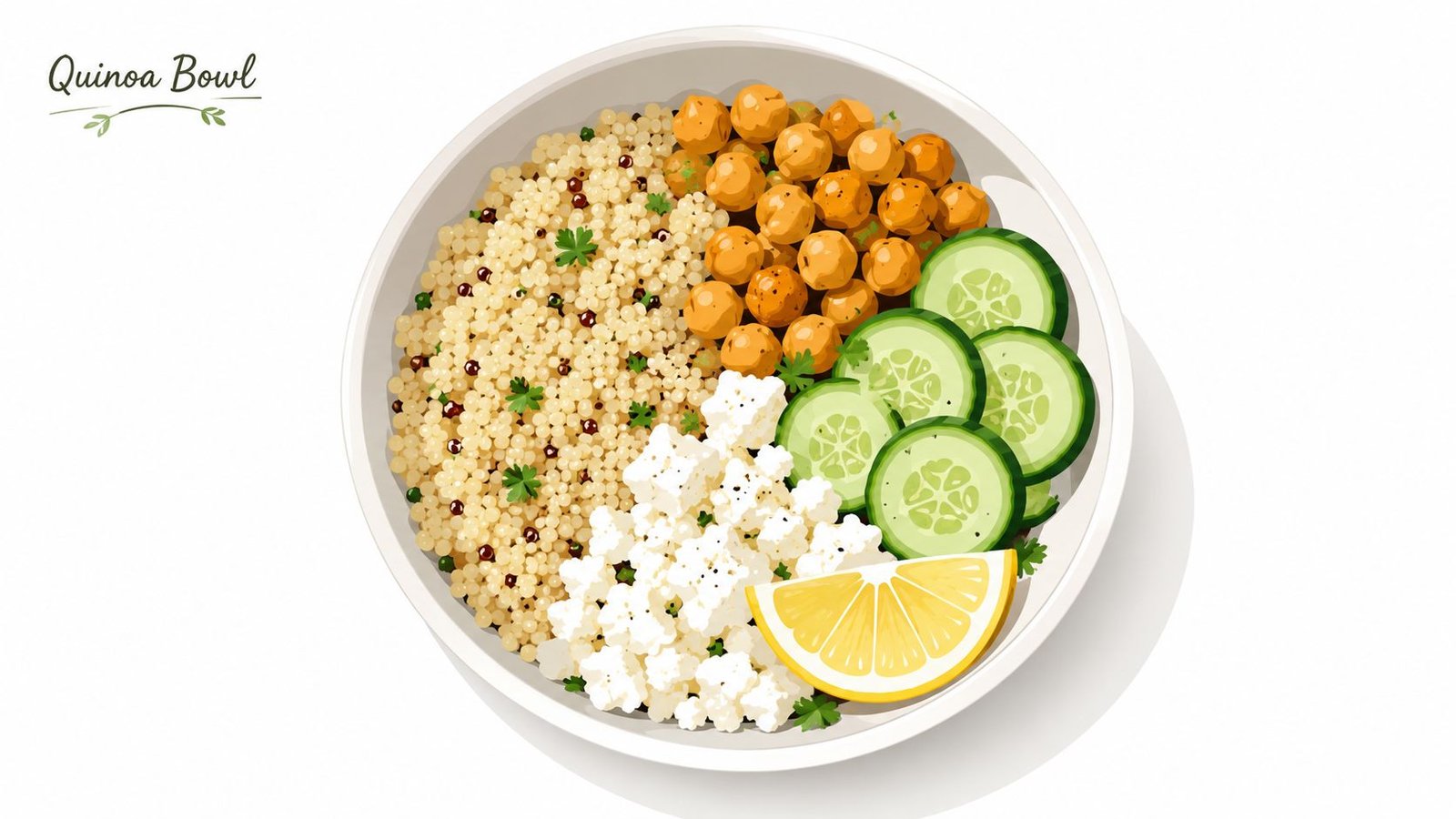
Quinoa works because it behaves like a side dish but eats like an upgrade. It's sturdy enough to hold roasted vegetables, herbs, chickpeas, feta, or edamame, and it fits next to grilled chicken or fish without feeling heavy. For anyone building protein side dishes that still look normal on a dinner plate, quinoa is one of the easiest starting points.
A bowl like Mediterranean quinoa with chickpeas, cucumber, and feta gives you texture, freshness, and enough structure to feel satisfying. Mexican-style quinoa with black beans and corn leans heartier, while an Asian version with edamame and sesame dressing gives you a clean, meal-prep friendly base. The practical win is that quinoa scales well, so Monday's lunch container and Thursday's dinner side can follow the same template without getting boring.
How to log it fast in PlateBird
Use a cup measurement for quinoa and save it as a repeatable shortcut in PlateBird. That matters because cooked grains are easy to eyeball badly, and consistency beats perfection when you're logging daily meals. If you batch-cook on Sunday, portion into containers right away, then you can enter the same side in seconds all week.
Practical rule: Log the base first, then add the extras. Quinoa, chickpeas, feta, and dressing each affect the macro picture differently, and separating them keeps your entries honest.
For meals where you build a burrito-style bowl around quinoa, this PlateBird guide to burrito bowl calories makes the logging pattern even easier. I also like the photo route here, because quinoa bowls are visually distinctive and PlateBird can usually recognize the major components without much back-and-forth.
If you want a little extra protein in a breakfast or snack, quinoa can also be mixed into a richer base, which pairs well with ideas like elevating breakfast with protein. That's not mandatory, just a useful reminder that side dishes can cross meal boundaries when your schedule gets hectic.
2. Roasted Chickpea Varieties
Roasted chickpeas are the crunchy side dish people keep in the pantry once they realize how useful they are. They're savory, portable, and easy to season in ways that match almost any main course. They work especially well when you want a side that feels snack-like but still supports your protein goals.
The texture is the whole appeal. Garlic parmesan works next to roasted chicken, spicy curry chickpeas pair well with rice and vegetables, ranch and herb fits into a quick lunch bowl, and cinnamon sugar gives you a sweet option that still feels more purposeful than dessert. If you're juggling work, workouts, and family meals, roasted chickpeas are one of the simplest protein side dishes to keep on hand.
The biggest mistake is rushing the prep. Chickpeas need to be dried thoroughly after rinsing, or the oven steam softens them instead of crisping them. A tray that goes in wet usually comes out disappointing, and nobody wants to log a side dish they're not excited to eat.
Drying the chickpeas well before roasting matters more than the seasoning blend.
Logging strategy for repeat meals
Use PlateBird's one-tap shortcut for a standard entry like roasted chickpeas, 1 cup. That keeps your tracking fast when you eat the same batch across several meals. If you make multiple flavor batches in one afternoon, store them in separate containers and label them right away so you don't guess later.
A before-and-after photo helps too, especially if you're testing how much oil or seasoning made it onto the tray. PlateBird's photo recognition is most useful when the food has a clear visual shape, and roasted chickpeas fit that perfectly. I'd treat this as a dependable workhorse side, not a garnish, because it can carry a meal when the rest of the plate is light.
For busy days, keep a container in the fridge and another in your work bag. That one habit makes it easier to add protein to lunch without making a separate recipe.
3. Lentil-Based Grain Blends
Lentil and grain blends are the side dish version of getting organized. They feel familiar, they hold up well in meal prep containers, and they let you build a more balanced plate without needing a separate protein-heavy entrée every time. They're especially useful if you want a side that eats like comfort food but still supports your goals.
A red lentil and rice blend brings a softer, more classic texture. A green lentil and quinoa pilaf feels firmer and more meal-prep friendly. Brown lentils with farro have a nutty, earthy profile, while an Indian-spiced dal can sit next to roasted vegetables or grilled meat and still read as a side rather than the main event.
The advantage here is flexibility. Cook the lentils and grains separately, then combine them when you're ready, because texture control matters. If you mix everything too early, the grains can go soft and the whole container starts tasting like leftovers instead of a planned meal.
Why this works for tracking
Create one standardized portion in PlateBird, then reuse it. That cuts out the guesswork that usually happens when a grain blend gets scooped into a bowl with a spoon that changes size every day. A rice cooker with a timer helps here, since hands-off prep makes it much easier to keep the side in rotation.
For logging, I'd use text entry when the bowl is plain and photo entry when it includes vegetables, herbs, or sauce. Glass containers help because the portions look consistent across the week, which improves visual tracking. If you want a reliable side for meal prep, this is one of the strongest options because it feels like real food, not a diet workaround.
Lentil blends also help when the main course is lean and simple. They give the plate body, and they make it easier to stay full without needing another complicated recipe.
4. Edamame Preparations
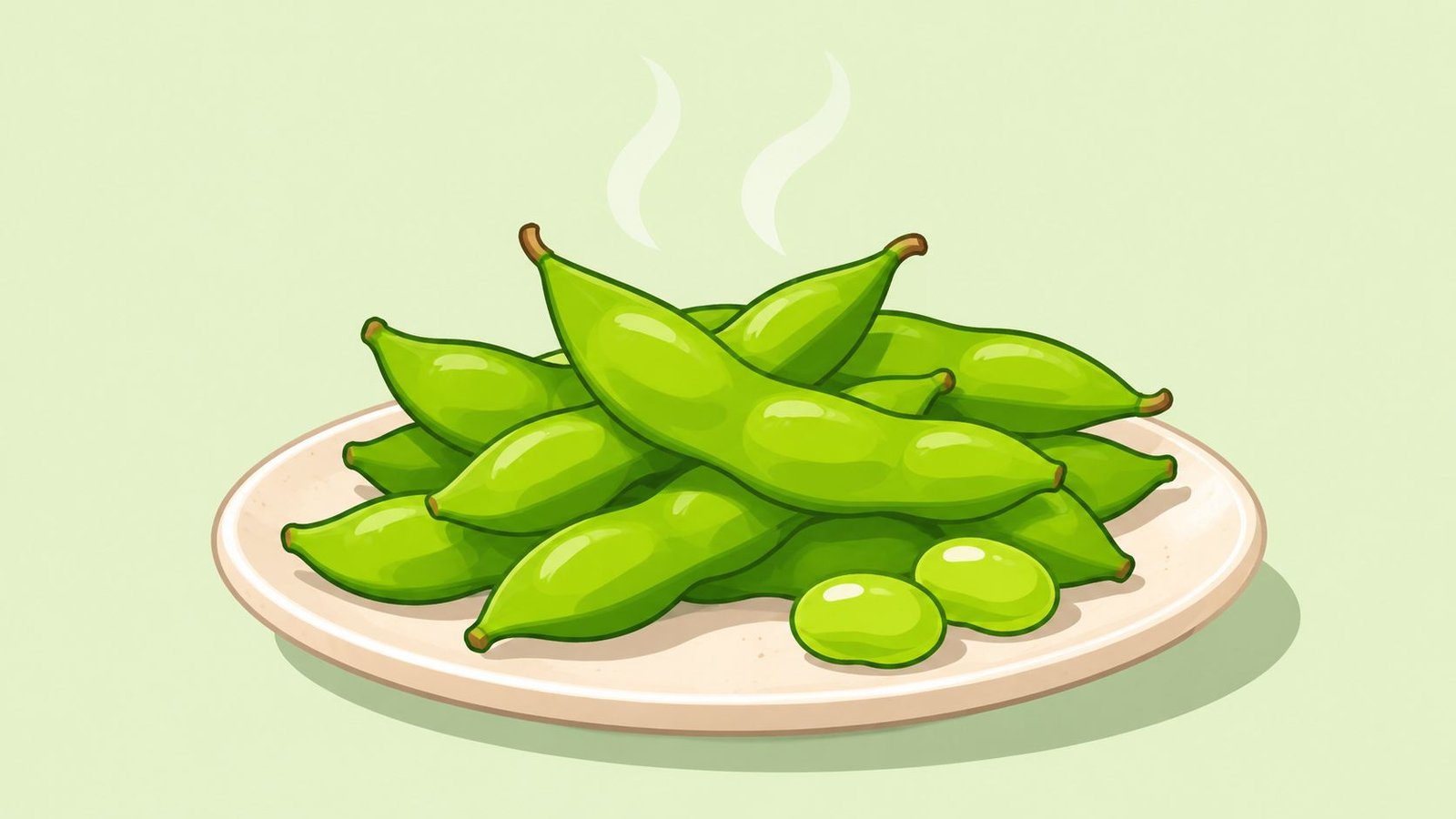
Edamame is one of those sides that solves more problems than people expect. It's fast, it's recognizable, and it works hot or cold. You can keep it simple with steam and salt, or turn it into something sharper with garlic, ginger, or chili heat.
That makes it a strong option for people who want protein side dishes without a long ingredient list. Steamed edamame beside sushi-style bowls, spicy sriracha edamame with rice and salmon, or garlic-ginger edamame alongside tofu are all easy fits. It also works inside salads and grain bowls when you need the side to disappear into the bigger meal without disappearing nutritionally.
Frozen shelled edamame is the easiest version by far. It skips the pod-removal step and turns into a fast, repeatable side you can keep in the freezer for emergencies. If you've ever come home hungry and wanted something ready before you start cooking, edamame is exactly the kind of backup that saves the day.
Make the log match the food
The easiest PlateBird entry is plain text, edamame, 1 cup cooked, because the macro profile stays consistent across brands better than people expect. If you season it right after cooking, you get better flavor absorption and a more satisfying side without needing to add much else.
Photograph it when the portion is visible in the bowl, especially if you're using it as part of a grain bowl or salad. That gives PlateBird a clean visual reference and helps you verify the amount before you eat. I also like keeping a frozen bag at work, because a fast protein addition at lunch can prevent the usual late-afternoon snack scramble.
Edamame works best when you want something clean, fast, and predictable. It's not flashy, but it's one of the easiest sides to repeat all week.
5. Hemp and Pumpkin Seed-Based Sides
Seeds are the quiet overachievers of the plate. They don't look like much at first glance, but they add texture, healthy fat, and a meaningful protein bump to salads, vegetables, grain bowls, and even yogurt. When you need a side that upgrades another side, hemp and pumpkin seeds shine.
Hemp seeds work well when you want a soft, almost buttery finish on roasted vegetables or yogurt bowls. Pumpkin seeds bring more crunch and can stand alone as a roasted side or savory snack. Both are easy to store, easy to portion, and easy to sprinkle on meals that already exist in your routine.
This category is less about a single recipe and more about a habit. Keep small containers of pre-measured seeds in the fridge or pantry, and you'll use them more often. That matters because the best protein side dishes are the ones you remember to eat.
Practical rule: Measure seed portions before the meal starts. Once dinner is on the table, it's too easy to overshoot without noticing.
Logging without slowing dinner down
PlateBird works best here when you save a shortcut like hemp seeds, 2 tbsp and use it every time. If you're more exact, a kitchen scale gives you the cleanest macro entry, especially for pumpkin seeds. That's the trade-off, convenience is fast, but weight-based logging is tighter when precision matters.
Toast pumpkin seeds in bulk if you want better flavor and lower effort later in the week. Add hemp seeds to a grain bowl about 30 minutes before eating so the texture settles into the rest of the dish. If you've got kids or a busy household, seeds are useful because they can make a plain vegetable side feel finished without needing another recipe.
This is a smart add-on strategy, not a full cooking project. That's exactly why it sticks.
6. Greek Yogurt-Based Protein Sides
Greek yogurt belongs in the protein side conversation because it can do so many jobs. It can be a cool, creamy side with cucumber and dill, a dip for vegetables, a savory base for potatoes, or a quick bowl with fruit and granola. That range makes it especially helpful for people who want something fast and filling without turning to a full meal.
It also fits well into low-carb routines and first-time calorie tracking because the structure is simple. Choose the yogurt, add the toppings, log it, eat it. No complicated prep, no hard-to-identify ingredients, and no need to wonder whether the side belongs in the main course category instead.
If you like experimenting with higher-protein dairy, this PlateBird guide to protein in yogurt is a useful companion piece. It helps you think about yogurt as an actual macro tool, not just a snack cup from the fridge.
Good uses and common mistakes
A plain cucumber and dill bowl works beautifully beside grilled meat or fish. A garlic herb yogurt dip can replace heavier sauces, and a yogurt-based potato salad keeps the side creamy without getting as dense as the mayo version. The most common mistake is switching brands every week, which makes tracking messy and forces you to relearn the same entry over and over.
Save a single shortcut in PlateBird, something as simple as Greek yogurt, plain, 7 oz, and stick with it. If you want more volume or a different texture, mix it with cottage cheese, which keeps the bowl versatile without making it fussy. I'd also recommend photographing the bowl before you dig in, because yogurt dishes are easy to portion visually once the toppings are visible.
For anyone trying to make dinner lighter without feeling deprived, Greek yogurt is a strong move. It keeps the plate practical and familiar, which is exactly what helps people stay consistent.
7. Tempeh and Tofu-Based Sides
Tempeh and tofu are the best proof that a side dish doesn't need meat to feel substantial. Both absorb flavor well, both work in bulk meal prep, and both can slide into a plate where you want the main protein to stay small while the side still contributes meaningfully. They're especially helpful for vegetarian households, flexitarian meals, and anyone trying to keep grocery costs under control.
Tempeh has a firmer, nuttier bite, so it works well when you want the side to feel chewy and savory. Tofu is softer and more versatile, which makes it ideal for marinades, roasting, or crisping in a skillet. Crumbled tempeh can also mimic ground-meat texture in taco-style sides, while baked tofu steaks make a very clean, very easy companion to rice and vegetables.
The main difference between the two is texture and handling. Press tofu before cooking so it browns better, and give tempeh enough marinade time so the flavor reaches beyond the surface. If you rush either one, the result is edible but flat.
Best logging habits for soy-based sides
PlateBird text logging works especially well here. A simple entry like roasted tempeh, 4 oz, marinade is fast, readable, and easy to repeat when you batch-cook on Sundays. If the tofu or tempeh is part of a larger bowl, use a photo so the app can identify the surrounding vegetables, grains, and sauces together.
A useful internal reference for quality and protein planning is the PlateBird protein quality chart, especially if you're comparing tofu and tempeh across different meals. I also like crumbling tempeh when I want a texture closer to a ground-meat side, because it mixes more naturally into tacos or grain bowls.
Marinate early, cook in bulk, and store portions with the macros already decided.
That's the easiest way to keep soy-based sides in rotation without thinking about them every night. If you're searching for more vegetarian-friendly ideas, these vegetarian protein recipes can broaden the rotation without making prep more complicated.
8. Cottage Cheese Protein Bowls
Cottage cheese has made a strong comeback because it's simple, adaptable, and easy to use as either a side or a snack. It works sweet or savory, and it pairs with fruit, nuts, vegetables, granola, or seasoning without needing much technical skill. That's exactly why it fits so well into a practical protein side dishes routine.
The savory version is probably the most underrated. Cottage cheese with cherry tomatoes, cucumber, and black pepper can sit beside eggs or grilled chicken with almost no prep. The sweet version feels more like a snack, but it still functions as a side when you want something cold and high-protein next to a lighter meal.
The biggest advantage is convenience. If you keep one consistent brand in the fridge, the logging gets much easier, and the texture stays familiar from week to week. That matters more than people think, because consistency lowers decision fatigue and helps the meal plan survive real life.
Fast logging and smarter use
Save a shortcut like 1 cup cottage cheese in PlateBird and reuse it every time. If you want a smoother texture, blend it into a dip or mix it with Greek yogurt for a softer bowl. If you're pairing it with fruit, add the fruit right before eating so the liquid doesn't separate and make the bowl look messier than it is.
A photo is especially useful here because cottage cheese bowls are visually clean and easy to identify. I'd also buy in bulk when it's on sale, then freeze what you won't use right away, knowing the texture will change a bit. That trade-off is usually worth it if your real goal is having a reliable side ready when dinner needs a fast protein bump.
Top 8 Protein Side Dishes Comparison
| Item | Implementation 🔄 | Resource Requirements ⚡ | Expected Outcomes 📊 | Ideal Use Cases 💡 | Key Advantages ⭐ |
|---|---|---|---|---|---|
| Quinoa-Based Protein Bowls | Medium effort, rinse + 15 min cook; avoid overcooking | Moderate cost; basic cookware; good for bulk cooking | ~8g protein & 5g fiber per cooked cup; gluten-free; 5–7 day fridge life | Meal-prep bowls, mixed cuisine bases, consistent macro logging | Complete plant protein, versatile base, photo-recognition friendly |
| Roasted Chickpea Varieties | Medium, 25–30 min roast; timing/ dryness critical | Low cost; oven/baking sheet; batches store 7–10 days | ~15g protein & 12g fiber per cup; high satiety; portable snack | On-the-go snack-side, calorie counters, batch prep | Crispy texture, affordable, high satiety |
| Lentil-Based Grain Blends | Medium, 20–30 min cook; some soaking for certain lentils | Low cost; pot or rice cooker; stores 5–7 days refrigerated | Lentils ~18g protein & 16g fiber per cup; complete when mixed with grains | Macro-balanced meal prep, traditional grain pairings, high-fiber diets | High protein + fiber, cost-effective, adaptable with grains |
| Edamame Preparations | Low, 5–7 min steam or quick roast; minimal steps | Low cost; frozen widely available; minimal equipment | ~11g protein per cup; complete amino acids; hot or cold servings | Quick snacks, fitness meals, bowl add-ins, travel-friendly | Very fast prep, visually distinct for photo logging, year-round supply |
| Hemp & Pumpkin Seed-Based Sides | Very low, no cooking; precise measuring required | Higher cost per oz; long shelf life; scale recommended for accuracy | Hemp: ~10g/3 tbsp; Pumpkin: ~9g/1/4 cup; high in healthy fats | Toppings for salads/grains, smoothie additions, quick macro boosts | Nutrient-dense, zero-cook, long shelf stability |
| Greek Yogurt-Based Protein Sides | Very low, no cook; choose brand for consistent macros | Moderate cost; refrigerated; stores 2–3 weeks | ~20g protein per 7 oz (non-fat); low carbs; probiotic benefit | Low-carb diets, dips/dressings, beginner calorie trackers | High protein density, consistent single-ingredient logging |
| Tempeh & Tofu-Based Sides | Medium, press/marinate for best results; 15–30+ min cook | Low–moderate cost; pan or oven; stores 5–7 days | Tempeh ~19g/3oz, Tofu ~15g/4oz; complete amino acids | Vegetarian/vegan mains or sides, batch-cooked meal prep | Budget-friendly complete proteins, excellent flavor absorption |
| Cottage Cheese Protein Bowls | Very low, no cooking; choose consistent brand | Moderate cost; refrigerated; stores 7–10 days (some freeze) | ~28g protein per cup; low carbs; slow-digesting casein; high satiety | Weight-loss plans, high-protein snacks, post-workout | Highest protein-to-calorie dairy option; simple, accurate logging |
Make Every Part of Your Plate Count
Reaching your protein goals gets easier when you stop treating the side dish like filler. A good side can add structure, flavor, and a meaningful protein boost without making the meal feel heavy or repetitive. That's why protein side dishes matter, they let you improve the whole plate instead of chasing one perfect entrée.
The strongest approach is also the simplest. Pick a few sides you'll make, batch them when you can, and log them the same way every time. Quinoa bowls, roasted chickpeas, lentil blends, edamame, seed toppings, Greek yogurt sides, tempeh or tofu, and cottage cheese bowls all have different textures, but they share the same practical advantage, they make your meal more useful for your goals.
There's also a broader pattern here. The market for protein mashed potatoes reached USD 1.42 billion in 2024 and is projected to grow at 8.3% CAGR through 2033, with North America accounting for about 38% of global value and Europe about 32%, according to Growth Market Reports. That doesn't mean everyone needs mashed potatoes every week, but it does show that protein-rich sides are no longer niche, they're part of how people want to eat in major Western markets.
The actual win comes from repetition. When the same side shows up three or four times a week in a form you like, your tracking gets easier and your habits get stronger. That's where PlateBird fits naturally, because it removes the friction between thinking, logging, and eating.
Use text when the food is simple, photo logging when the plate is visual, and shortcuts when you repeat the same side often. Those small habits add up fast, and they make hitting your macros feel less like a project and more like a routine.
If you're ready to make side dishes easier to track, PlateBird can help you log them with a quick text entry or a photo, so you spend less time guessing and more time eating well. Try it with your next quinoa bowl, yogurt side, or roasted chickpea batch, then see how much smoother your protein tracking feels when you visit PlateBird.