- The Bread That Tops Most Nutrition Rankings
- Five Criteria That Define Healthy Sandwich Bread
- Comparing Every Subway Bread Option
- Choosing Bread Based on Your Health Goal
- Building a Healthier Sandwich Beyond the Bread
- Tracking Your Subway Meals for Consistent Results
- Common Misconceptions About Subway Bread
Hearty Multigrain is widely considered the healthiest bread at Subway, and a 6-inch serving gives you 200 calories, 3 grams of fiber, and 9 grams of protein. That said, the best choice still depends on your goal, because the bread that works best for weight loss isn't always the same one you'd pick for satiety or blood sugar control.
Subway makes this decision look simpler than it is. The menu nudges people toward “wheat” or “multigrain” as if those words automatically mean healthy, but the actual answer comes from the full nutrition profile, not the label on the bread station. Hearty Multigrain tends to win because it brings a better balance of calories, fiber, protein, and sodium than the flashier alternatives, which is often what individuals seek in a fast-food sandwich.
The Bread That Tops Most Nutrition Rankings
The direct answer to what is the healthiest bread at Subway is Hearty Multigrain. Nutrition roundups keep putting it at the top because it gives you a stronger balance of calories, fiber, protein, and sodium than the breads that only look healthier at first glance Cozymeal.
A 6-inch Hearty Multigrain serving is listed at 200 calories, about 2 grams of fat, 360 milligrams of sodium, 36 grams of carbohydrates, 3 grams of dietary fiber, and 9 grams of protein. That profile matters for real ordering decisions. It gives you a filling base without eating up too much of your daily calorie budget before you add the fillings.
Why it beats the usual “healthy” suspects
White-bread substitutes and cheese-heavy options often sound like the smart pick, but they usually give up fiber and protein without giving you much back in satiety. Hearty Multigrain does not fix every nutrition problem, yet it gives you a better starting point for weight loss, steadier blood sugar, and a sandwich that holds you over.
Practical rule: if you want a default Subway bread, choose the one that gives you the most useful nutrition per calorie, not the one that merely sounds healthy.
That is also why Hearty Multigrain outranks breads like Italian Herbs & Cheese, which comes in higher at 240 to 250 calories and about 560 milligrams of sodium in comparable 6-inch portions. The higher calorie load is only part of the issue. The lower fiber-to-calorie balance makes it a weaker choice unless you specifically want a richer, more indulgent sandwich.
Five Criteria That Define Healthy Sandwich Bread
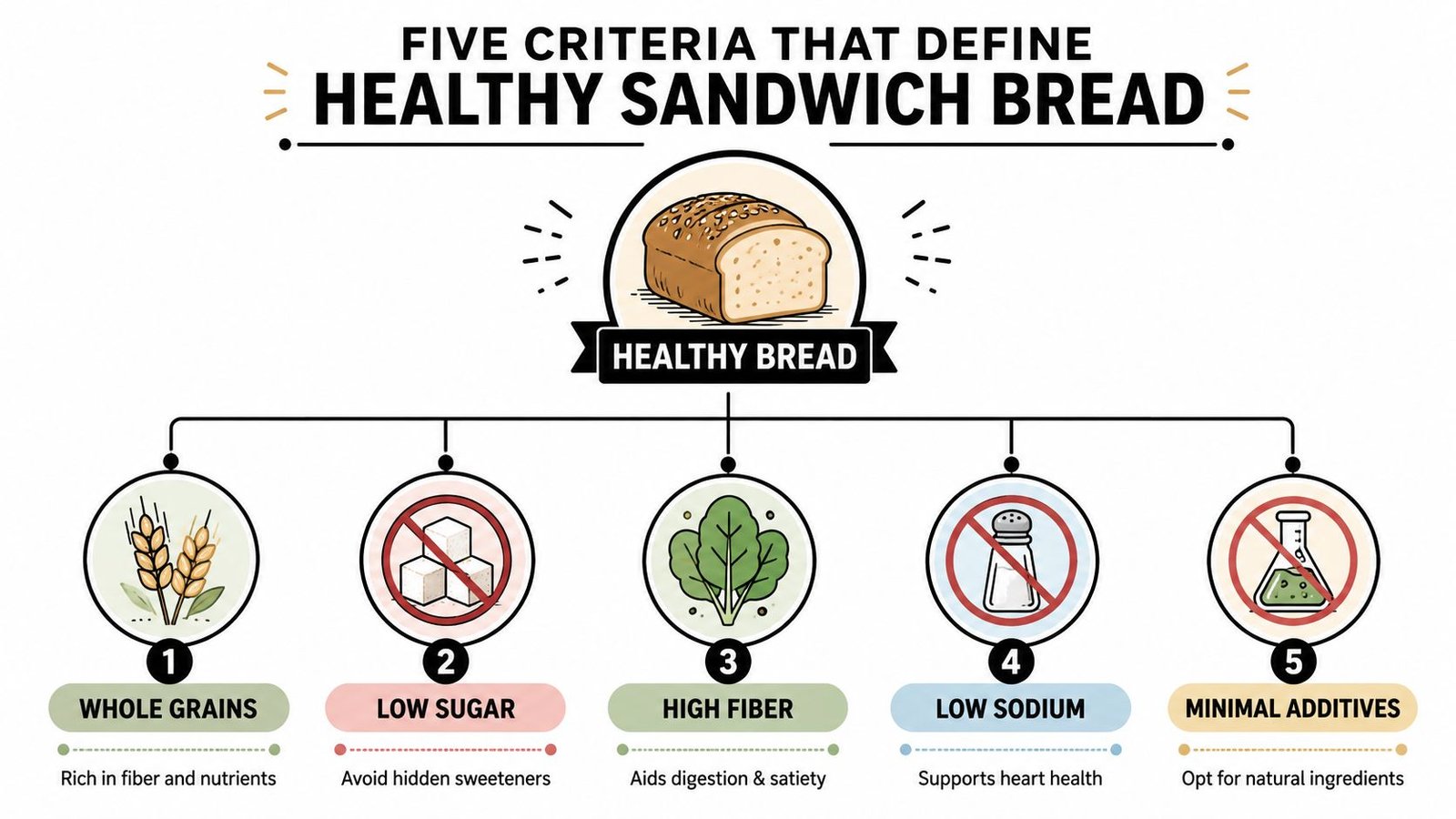
Healthy sandwich bread isn't just the one with the fewest calories. I tell clients to look at five criteria every time, because each one changes how the sandwich affects hunger, energy, and how easily you stay within your daily intake. If you want a clean, repeatable way to judge a Subway order, use the same logic you'd use when reading a label on any other packaged food, and if you need a refresher on that skill, how to read nutrition labels matters more than memorizing bread names.
The five numbers that matter
- Calories: Lower calories help when the main goal is weight control, but low calories alone don't make a bread smart if it leaves you hungry two hours later.
- Fiber: Fiber helps a meal feel more substantial. It also matters because bread with more fiber usually gives you a better ratio of fullness to calories.
- Protein: Bread isn't a protein food, but some breads still do better than others here. More protein per serving usually means a more satisfying sandwich base.
- Sodium: Bread can contribute to a meal's sodium load, especially when the filling is already salty.
- Sugar and additives: Bread that leans on sweeteners or extra additives can make a sandwich feel more processed, even if the calorie count looks reasonable.
The simplest way to think about it is this: a bread can be low in calories and still be a weak choice if it brings almost no fiber or protein. That's why fiber-rich meal ideas from AI Meal Planner can be useful when you're trying to build a lunch that keeps you full.
Simple filter: if two breads are close in calories, choose the one with more fiber and protein, then use sodium as the tie-breaker.
That approach is more useful than chasing one “magic” bread. It also matches how people eat at Subway, where the bread is only the first decision in a meal that can change dramatically once you add cheese, sauce, and processed meats.
Comparing Every Subway Bread Option
The right bread at Subway depends on what you want the sandwich to do. Hearty Multigrain is the strongest all-around pick, but the rest of the menu only makes sense if you match the bread to the meal. A calorie-only ranking misses that point. A sandwich with lower calories can still be a worse choice for fullness, blood sugar control, or overall balance once the fillings go in.
| Subway Bread Nutrition Comparison | Bread Type | Calories | Fiber (g) | Protein (g) | Sodium (mg) |
|---|---|---|---|---|---|
| Hearty Multigrain | 200 | 3 | 9 | 360 | |
| Italian Herbs & Cheese | 240 to 250 | lower than Hearty Multigrain | lower than Hearty Multigrain | about 560 | |
| Italian White / artisan white | 200 | 1 | lower than Hearty Multigrain | lower than Hearty Multigrain | |
| 9-Grain Wheat | 180 | lower than Hearty Multigrain | lower than Hearty Multigrain | lower than Hearty Multigrain | |
| Italian White | 180 | lower than Hearty Multigrain | lower than Hearty Multigrain | lower than Hearty Multigrain | |
| Flatbread | higher than multigrain in comparable guides | similarly low fiber | lower than Hearty Multigrain | lower than Hearty Multigrain | |
| White and Wheat in Taiwan listing | 195 | lower than Hearty Multigrain | lower than Hearty Multigrain | lower than Hearty Multigrain | |
| Honey Oat in Taiwan listing | 210 | lower than Hearty Multigrain | lower than Hearty Multigrain | lower than Hearty Multigrain |
The practical verdict on each bread
Hearty Multigrain is the bread I would pick first. It gives you the strongest mix of fullness, moderate calories, and better macro balance, so it works well with lean meats, vegetables, and lighter sauces. It is the most reliable default when you want the bread to help the sandwich feel like a meal instead of just a vehicle for fillings.
9-Grain Wheat and Italian White still show up in older calorie-first rankings at 180 calories for a 6-inch serving Fast Food Nutrition. That makes them sound like smart picks, but the trade-off is weaker satiety. If you are trying to stay full or keep the rest of the sandwich under control, lower calories alone are not enough.
Italian Herbs & Cheese is the easy bread to overrate. The flavor is better, but the cheese pushes calories and sodium up without giving you a meaningful nutrition gain. If you choose it, do it for taste, not because it is the healthiest option.
Italian White and artisan white style breads are simple and predictable. They can work if the rest of the sandwich is carefully built, but they do very little for fullness or nutrient density. That makes them a poor choice when the sandwich needs to carry you through a long stretch between meals.
Flatbread sounds light, and that is exactly why people get it wrong. In comparable guides, it can land higher in calories while staying low in fiber, so it does not give you the payoff people expect from a thinner bread Food Republic.
The Taiwan-listed White and Wheat and Honey Oat options do not beat Hearty Multigrain on the measures that matter here. They may fit a local menu or a different ordering situation, but they still follow the same rule, a bread with less fiber and weaker macro balance is a weaker base for a sandwich.
If you need a wheat-free meal pattern, compare the whole sandwich instead of fixating on the bread shelf. The broader point is the same one raised in ImuPro Australia on gluten free diet, label-driven swaps only help if the full recipe still matches your health goal.
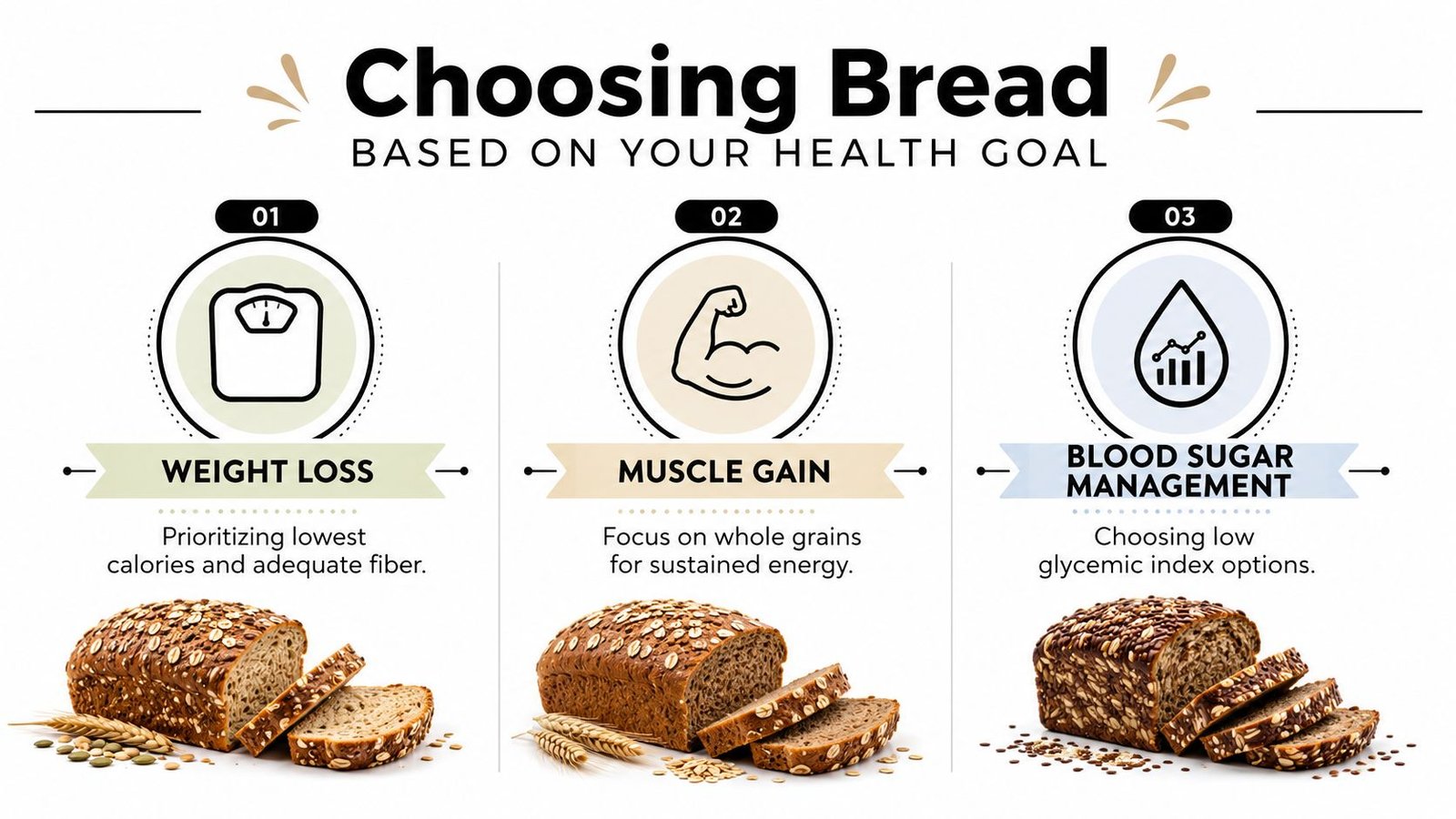
Choosing Bread Based on Your Health Goal
The right Subway bread depends on the goal. Weight loss, blood sugar control, and staying full until your next meal call for different choices. A single “healthiest” bread does not fit every order.
If weight loss is the priority
Pick Hearty Multigrain if you want the strongest mix of lower calories, better fiber, and a little more protein than the breads people usually grab out of habit. It gives you a better base for a controlled meal, especially if you are also watching sauces, cheese, and meat portions.
If you need the lowest-calorie route and the rest of the sandwich is already built around lean fillings, the lighter white and wheat options can still work. They are the better choice only when your main goal is trimming calories first and you are willing to give up some fullness.
If blood sugar control matters
Choose the bread with the most fiber and keep the rest of the sandwich steady. Hearty Multigrain is the practical pick because it gives you more structure than the softer, lower-fiber options, which makes the meal easier to handle when you want a slower, steadier response.
The mistake is focusing on the bread and then letting sugary sauces, extra cheese, and skipped vegetables do the damage. A more controlled sandwich starts with the bread, but it is finished by the fillings.
If satiety or training support matters
Choose Hearty Multigrain again. The extra protein helps it feel like a real meal instead of a snack that disappears too fast.
Pair it with lean protein, and the sandwich becomes more filling than a lighter bread with the same toppings. That matters if you are trying to get through a long stretch without another meal or you need lunch to hold you over.
A slightly higher-calorie bread can still be the better order if it keeps you satisfied and prevents a later snack run. That is the test. The bread matters, but only because it shapes the whole sandwich.
Building a Healthier Sandwich Beyond the Bread
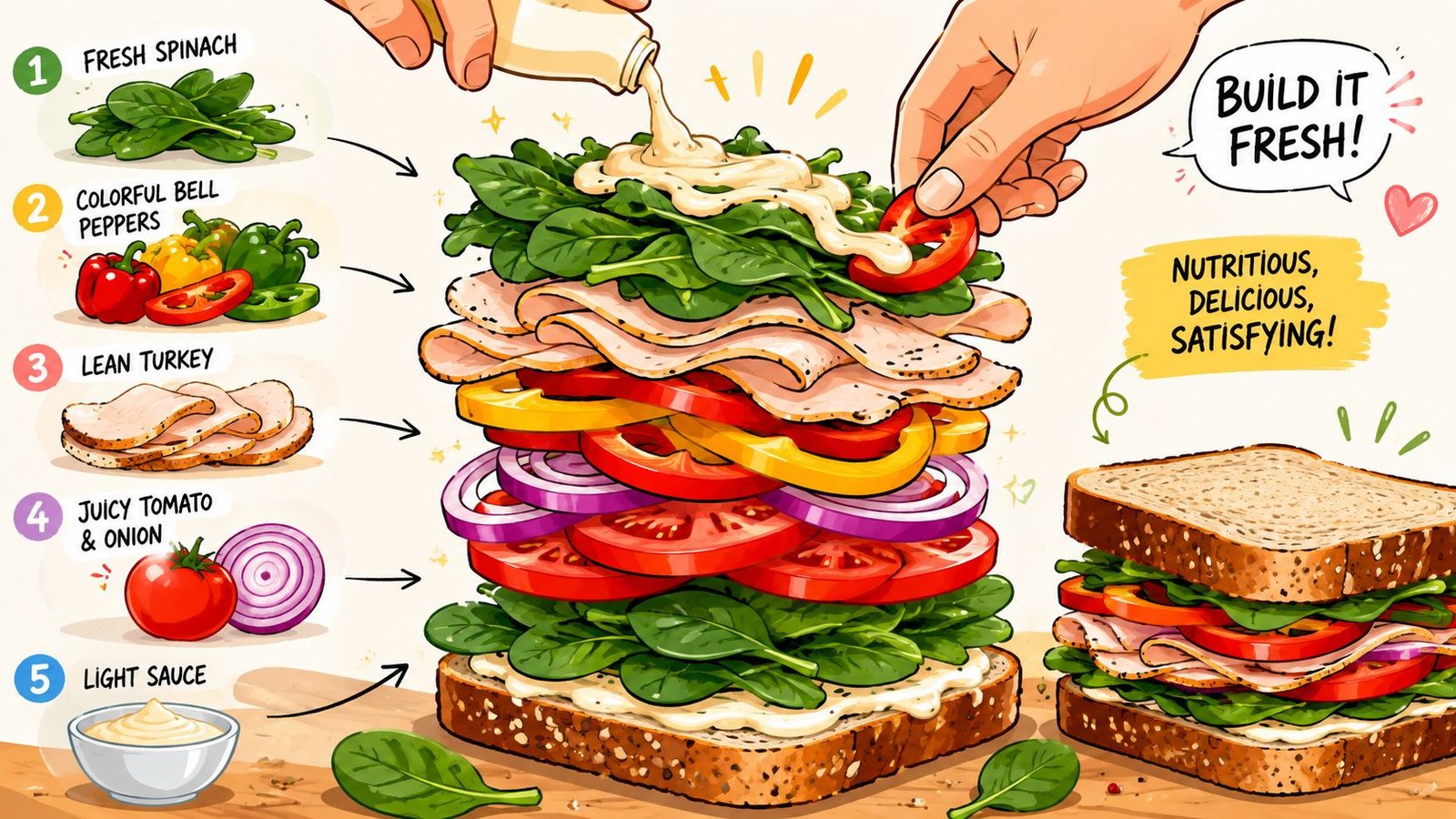
The bread only matters if the rest of the sandwich behaves. I've seen people order the right bread, then wipe out the advantage with heavy cheese, creamy sauce, and processed meat that turns a decent lunch into a salty, calorie-dense mess.
A better Subway build starts with lean protein. Turkey and chicken are usually easier to fit into a controlled meal than richer meats, because they leave room for vegetables and don't force the sandwich into a heavy, oversauced pattern. Once the protein is set, pile on vegetables for volume. Lettuce, spinach, tomatoes, cucumbers, green peppers, and onions add texture and size without changing the meal in a dramatic way.
Here's the part people ignore, sauce is where a healthy sandwich often goes sideways. Mustard and vinegar-based choices keep the order tight, while creamy sauces make it easy to overshoot your target without feeling like you ate more food. If you want better portion control, ask for sauces on the side and use less than you think you need.
Keep the vegetables generous and the sauces deliberate. That one habit solves more Subway mistakes than any single bread choice.
The best real-world order is usually simple, a 6-inch on Hearty Multigrain, lean protein, lots of vegetables, and a light sauce. That combination keeps the sandwich recognizable as fast food, but it cuts out the parts that usually sabotage the meal.
Tracking Your Subway Meals for Consistent Results
The easiest healthy Subway order is the one you can repeat without thinking about it. Logging makes that practical, because the goal is not obsession, it is spotting the pattern in what you eat over time. A tool like PlateBird lets you type a meal in plain English, like “Subway multigrain turkey veggies,” and it turns that into a quick calorie and macro entry.
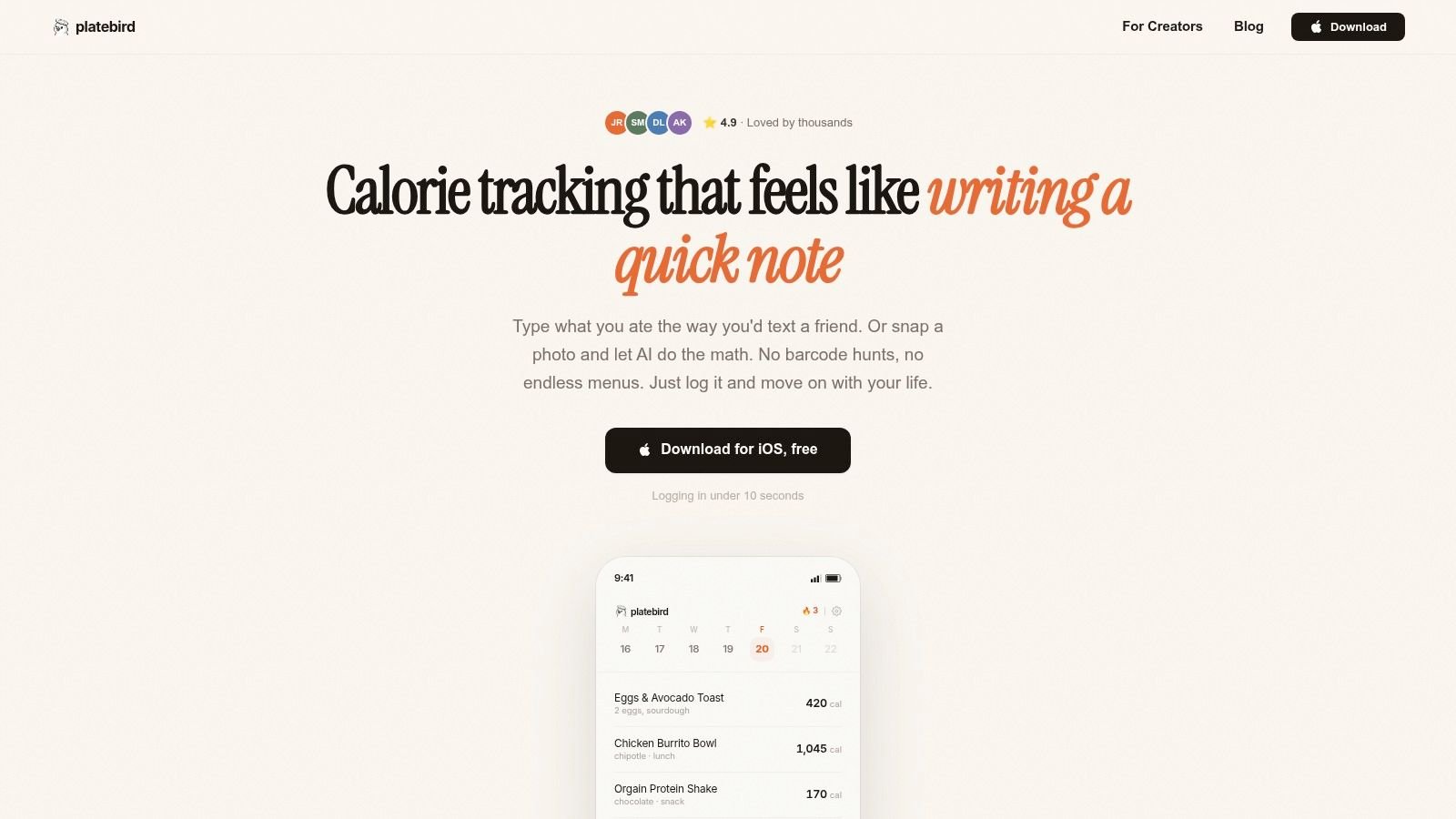
Say you order the same lunch every Tuesday, Hearty Multigrain, turkey, spinach, tomatoes, and mustard. Log it once, save it, and next time it becomes a one-tap entry instead of a fresh search. That matters because consistency gets easier when you remove friction from the process.
If you eat out often, how to estimate calories when eating out is the kind of skill that keeps a “pretty good” Subway habit from turning into guesswork. You do not need perfect precision. You need a fast way to see whether your routine order matches your goal.
value is simple, bread choices stop being abstract once you can see how they fit into your day. A small improvement at lunch compounds when you repeat it three or four times a week.
Common Misconceptions About Subway Bread
The biggest myth is that all wheat or multigrain breads are automatically healthy. They are not. Some Subway breads are better balanced than others, and recipe changes plus regional menus can shift the answer by market and year. That means you judge the bread by the full nutrition picture, not by the color of the loaf.
Another mistake is treating bread as the whole story. If the sandwich is loaded with cheese and creamy sauce, the bread's advantages get buried fast. The same bread can look smart in a turkey-and-veggie build and much less useful in a heavier order. For a broader mindset on how packaging and presentation can shape food choices, it helps to compare print vs digital food magazines, because the way food is framed often affects what people think is “good” before they even check the numbers.
The last myth is that lower calories always means healthier. That is too simple. A lower-calorie bread can still be less satisfying, which makes it easier to overeat later, and a slightly higher-calorie bread can be the smarter move if it keeps your sandwich balanced. Fiber also matters here, and does fiber have calories is worth reading before you overcorrect toward the lowest number on the menu.
The honest answer is still straightforward. Hearty Multigrain is the best default, but the healthiest bread depends on your goal and on what you put inside the sandwich. If you want weight loss, blood sugar control, or better satiety, the bread choice has to work with the fillings, not against them.