- 1. Spaghetti Aglio e Olio with Whole Wheat Pasta
- 2. Whole Wheat Pasta Primavera with Seasonal Vegetables
- 3. Chicken Breast Pasta with Tomato-Based Marinara Sauce
- 4. Shrimp Pasta with Garlic, Lemon, and White Wine Sauce
- 5. Turkey Meatball Whole Wheat Pasta with Arrabbiata Sauce
- 6. Zucchini Noodle Hybrid Pasta with Lean Ground Beef Bolognese
- 7. Lentil Pasta with Roasted Red Pepper and Tomato Sauce
- 8. Baked Cod or Halibut Pasta with Herb Crust and Tomato Sauce
- 8 Low-Fat Pasta Recipes Comparison
- Turn Your Kitchen into a Low-Fat Pasta Powerhouse
A weeknight bowl of pasta can go two ways fast. It can support your calorie target and protein goal, or it can turn into a generous pour of oil with noodles underneath. The difference usually comes down to method, not deprivation.
Low-fat pasta still earns its place in a health-conscious kitchen because the format works. Pasta is affordable, flexible, and easy to build around lean protein, vegetables, beans, seafood, and tomato-based sauces. Good flavor comes from garlic, herbs, acid, roasting, stock, chili, and browning the right ingredients in the right order. Fat still matters, but measured fat cooks better than guessed fat.
Portion awareness matters too. If you need a quick reference for how many calories are in 1 cup of cooked pasta, keep that guide handy before you plate by eye.
PlateBird makes the tracking side practical if you use the right input for the right meal. Log simple pasta dishes with text because the ingredients are clean and easy to count. Use a photo for mixed bowls with vegetables, meatballs, seafood, or baked fish, where portions are harder to describe after serving. Once you build a version you make often, save it as a one-tap shortcut so your usual chicken marinara or lentil pasta dinner takes seconds to track next time.
That matters because the recipes in this guide are not all logged the same way. Aglio e olio, primavera, and lentil pasta usually work best as text entries. Shrimp pasta, turkey meatball pasta, and baked fish pasta are often faster to snap and save, especially if your serving size changes from one night to the next.
If you want to refine flavor without adding much fat, this Learn Olive Oil pasta pairing guide can help you choose oils that taste stronger, so you can use less and still notice them.
1. Spaghetti Aglio e Olio with Whole Wheat Pasta
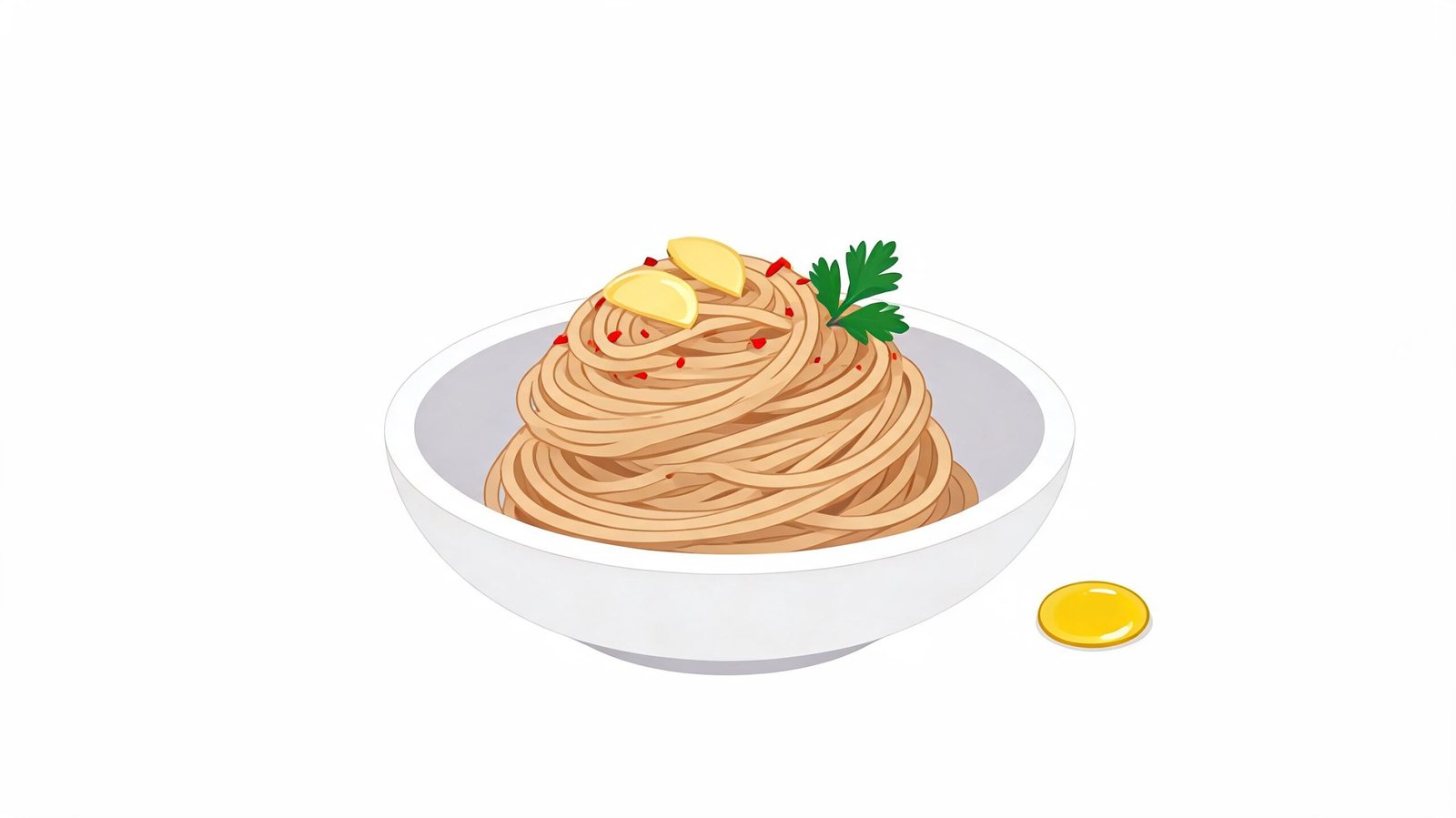
Aglio e olio is the dish I reach for when I want pasta fast and don't want the sauce to hide mistakes. With only a few ingredients, every choice matters. Whole wheat spaghetti gives it more staying power, and careful oil use keeps it in low-fat territory without turning it dry.
A common mistake is treating oil like the sauce. It isn't. Starchy pasta water is the sauce builder, and the oil should act more like seasoning.
How to make it work
Cook the garlic gently until it smells sweet and mellow. If it browns too far, the whole bowl picks up bitterness. Add red pepper flakes, a splash of pasta water, then toss hard enough to create a light coating instead of an oily pool.
For a more complete dinner, fold in white beans or chickpeas. That turns a simple pantry pasta into something closer to a balanced meal, and it logs cleanly in PlateBird because the ingredient list stays short.
Practical rule: Measure the oil before it hits the pan. “A drizzle” is where low-fat pasta stops being low-fat.
A few details matter here:
- Use whole wheat spaghetti: It stands up well to garlic and pepper without needing a heavy sauce.
- Save more pasta water than you think: A small ladle at the end fixes dryness better than extra oil.
- Finish with parsley and lemon zest: Freshness does a lot of work when fat is reduced.
For tracking, this is a good candidate for text logging rather than photo logging. Type something like “whole wheat spaghetti aglio e olio with beans,” then save it as a recurring shortcut such as “Spaghetti Aglio e Olio + beans.” If you want to tighten portions further, PlateBird's guide to 1 cup cooked pasta calories helps standardize your base serving.
This kind of pasta shows what works in low fat pasta dishes recipes. Restraint, not deprivation.
2. Whole Wheat Pasta Primavera with Seasonal Vegetables
Primavera is what I cook when the fridge is full of odds and ends that need to become dinner. Zucchini, broccoli, bell peppers, tomatoes, mushrooms, asparagus, spinach. Almost anything can fit if you cook each vegetable with intention instead of dumping everything into one pan and hoping for the best.
This dish succeeds because it adds volume, color, and texture without needing a creamy binder. A broth-based finish or a splash of pasta water keeps things light and lets the vegetables stay the point.
What keeps primavera from turning soggy
Cook the vegetables in stages. Broccoli and carrots need more time. Zucchini and tomatoes need less. If everything cooks together from the start, you end up with limp vegetables and watery sauce.
Lemon juice, black pepper, basil, parsley, and a little garlic do more for this bowl than extra fat ever will. That's why primavera remains one of the most reliable low fat pasta dishes recipes for weeknights and meal prep lunches.
- Roast or sauté separately: Better texture, better color, and easier portion control.
- Use broth strategically: A few spoonfuls loosen the sauce without greasiness.
- Add herbs at the end: Fresh herbs disappear if they cook too long.
For PlateBird, photo logging shines. A mixed bowl with several vegetables is faster to snap than to type out ingredient by ingredient. Once PlateBird recognizes the recurring mix, save a custom shortcut with your standard pasta amount and your favorite vegetable combo.
If you're trying to make this style of dinner fit a broader weekly routine, PlateBird's guide to meal planning for weight loss is useful because primavera works best when the chopped vegetables are ready before dinner starts.
More vegetables don't automatically make pasta “healthy.” Texture still decides whether you'll want leftovers tomorrow.
Real-world use is simple. This is the pasta you pack after a grocery run, when you've bought produce with good intentions and need a meal that uses it before it fades in the drawer.
3. Chicken Breast Pasta with Tomato-Based Marinara Sauce
If you meal prep for training days, this is the steady workhorse. Chicken breast, whole grain pasta, and a tomato-based marinara don't try to be clever. They just cover the basics well.
It also solves a common problem with low fat pasta dishes recipes. Many cut fat successfully but forget protein, which leaves the meal light on staying power. Lean chicken fixes that without forcing you into a cream-free pasta that still feels incomplete.
Why this combination keeps showing up in meal prep
Tomato sauce carries flavor without relying on butter or cream. Chicken breast brings structure to the meal, especially when cooked properly and sliced after resting. Whole grain pasta rounds it out and reheats better than many delicate noodle shapes.
Pound the chicken to even thickness before cooking so it doesn't dry out at one end while the thicker side catches up. For food safety in batch cooking, cook chicken to 165°F, cool portions promptly, and store with the sauce separate if you care about texture over several days.
A tomato sauce you control at home usually beats a heavy restaurant marinara if your goal is a cleaner, more predictable log.
A practical approach:
- Make marinara from canned tomatoes, garlic, and herbs: It keeps the ingredient list simple.
- Slice chicken after resting: Juices stay in the meat instead of the cutting board.
- Choose a sturdy pasta shape: Penne, rotini, or rigatoni hold up better for leftovers than delicate strands.
PlateBird is especially useful here because the meal repeats so well. Type in a standard version once, then create a shortcut like “Grilled Chicken Marinara Pasta.” That makes weekday tracking almost frictionless. If you're dialing in macros for a cut, PlateBird's guide on how to count macros pairs well with this recipe style because the ingredients are predictable and easy to portion.
In gyms, office lunch bags, and family meal-prep containers, this bowl keeps earning its spot because it's reliable. Reliability matters more than novelty when you're trying to stick with an eating pattern.
4. Shrimp Pasta with Garlic, Lemon, and White Wine Sauce
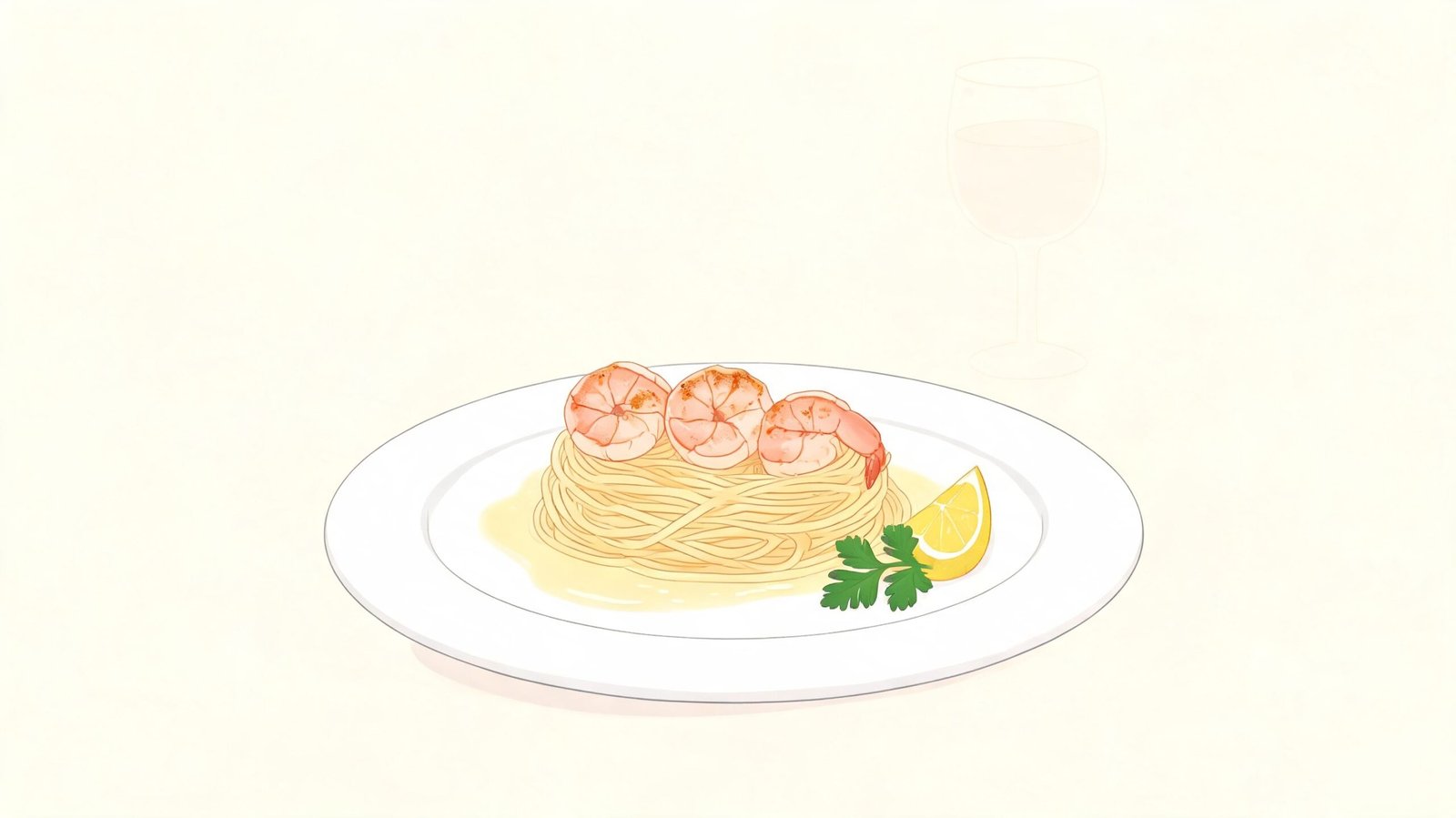
Shrimp pasta feels restaurant-like, but it's one of the easiest dishes to keep light at home. The reason is simple. Shrimp cooks quickly and doesn't need much help. If you build the sauce from garlic, white wine, lemon, parsley, and pasta water, you get brightness and aroma without burying the bowl in butter.
This one is ideal when you want something a little sharper and cleaner than a tomato sauce.
The low-fat version that still tastes polished
Pat the shrimp dry first. Wet shrimp steams instead of searing, and then people compensate by adding more fat or overcooking the pan. Use a hot skillet, cook briefly, pull the shrimp as soon as it's done, then build the sauce in the same pan.
A dry white wine works well because it adds acidity and depth. Most of it cooks off, leaving the pan with a concentrated savory note that pairs naturally with lemon.
- Cook pasta al dente: The noodles finish in the sauce without going soft.
- Use parsley generously: Fresh herbs matter more in a stripped-back sauce.
- Add lemon off heat: It keeps the flavor bright instead of flat.
For tracking, text logging is usually enough. Enter “shrimp pasta with white wine sauce” and include the pasta type if you want a tighter estimate. If you plate the shrimp on top and keep the components visible, a photo log can work too, especially for homemade portions that vary slightly.
This is also a good dish for date night cooking or a nicer weekend lunch. It feels elegant, but the ingredient list stays short and the method stays practical. If you enjoy seafood technique, this guide on how to cook scampi perfectly is a nice companion read for handling shrimp without overdoing it.
The trade-off is that shrimp gives you less margin for error than chicken. Turn away for a minute too long and the texture toughens. Still, when cooked right, this is one of the cleanest-tasting low fat pasta dishes recipes you can keep in rotation.
5. Turkey Meatball Whole Wheat Pasta with Arrabbiata Sauce
Turkey meatballs solve a real low-fat problem. Lean meat often dries out, and “healthy meatballs” can taste like a compromise if you don't build in moisture from the start. The fix is texture, not extra oil.
Grated zucchini, onion, garlic, herbs, and just enough breadcrumb help turkey stay tender. Then arrabbiata does the rest. The spicy tomato sauce brings enough character that nobody misses a heavier meatball mix.
Where turkey meatballs beat beef
For many home cooks, beef meatballs feel easier because the fat protects the texture. But with turkey, baking on a lined sheet pan keeps things cleaner, and the finished dish often feels better for weekday lunches. It reheats well and doesn't leave the sauce greasy.
Arrabbiata is especially useful in low fat pasta dishes recipes because heat distracts the palate in a good way. Red pepper flakes, garlic, and tomato make the dish feel full-bodied even when the fat stays controlled.
If a low-fat meatball tastes bland, the issue usually isn't the turkey. It's under-seasoning and overcooking.
Try this approach:
- Mix lightly: Overworked turkey turns dense fast.
- Bake instead of pan-fry: You avoid unnecessary oil and cleanup.
- Use whole wheat pasta: The nuttier flavor stands up well to spicy sauce.
This is a perfect PlateBird shortcut meal because batch cooking is the whole point. Log one full portion carefully, then save it as “Turkey Meatballs + Whole Wheat Pasta + Arrabbiata.” The next three lunches are one tap.
In practice, this dish works for families too. Kids often accept it because it still looks like familiar comfort food, while adults appreciate that it fits a more structured eating plan without feeling “diet.”
6. Zucchini Noodle Hybrid Pasta with Lean Ground Beef Bolognese
Hybrid pasta is one of the most useful compromises in a health-conscious kitchen. Not full zucchini noodles. Not a full pasta bowl either. Half traditional pasta, half zucchini noodles. That balance keeps the meal satisfying while cutting the heaviness that a large serving of pasta can bring.
Low-fat cooking isn't only about removing oil. It's also about creating volume and satiety in ways you'll still enjoy.
The trade-off most people miss
Pure zucchini noodles often disappoint pasta lovers because they don't chew like pasta and they release water. A hybrid bowl fixes both problems. You keep the familiar structure of real pasta while letting zucchini increase volume and freshness.
Salt the zucchini lightly, let it sit briefly, then pat it dry. Cook it quickly, or toss it into the hot Bolognese right before serving so it softens without collapsing. For the sauce, use lean ground beef and simmer it with tomatoes, garlic, onion, herbs, and a little broth for depth.
There's also a broader market signal behind this style of dish. A 2025 Nielsen global food trend report, summarized in this low-fat roasted garlic tomato pasta article, said low-fat and low-carb pasta products, including adaptations like zucchini noodles and whole wheat variants, saw a 28% year-over-year sales increase in the US and EU. That doesn't mean everyone wants a full swap. It does show demand for lighter pasta formats is growing.
For PlateBird, be explicit. Log a bowl like “2 oz pasta + 2 cups zucchini noodles + 4 oz lean beef” so the app reflects the hybrid structure instead of assuming a standard full-pasta serving. This is one of those meals where text entry usually beats a photo because the zucchini can visually blend into the sauce.
This dish is common in meal prep circles for a reason. It gives you a comfort-food base with better portion control and a lighter finish.
7. Lentil Pasta with Roasted Red Pepper and Tomato Sauce
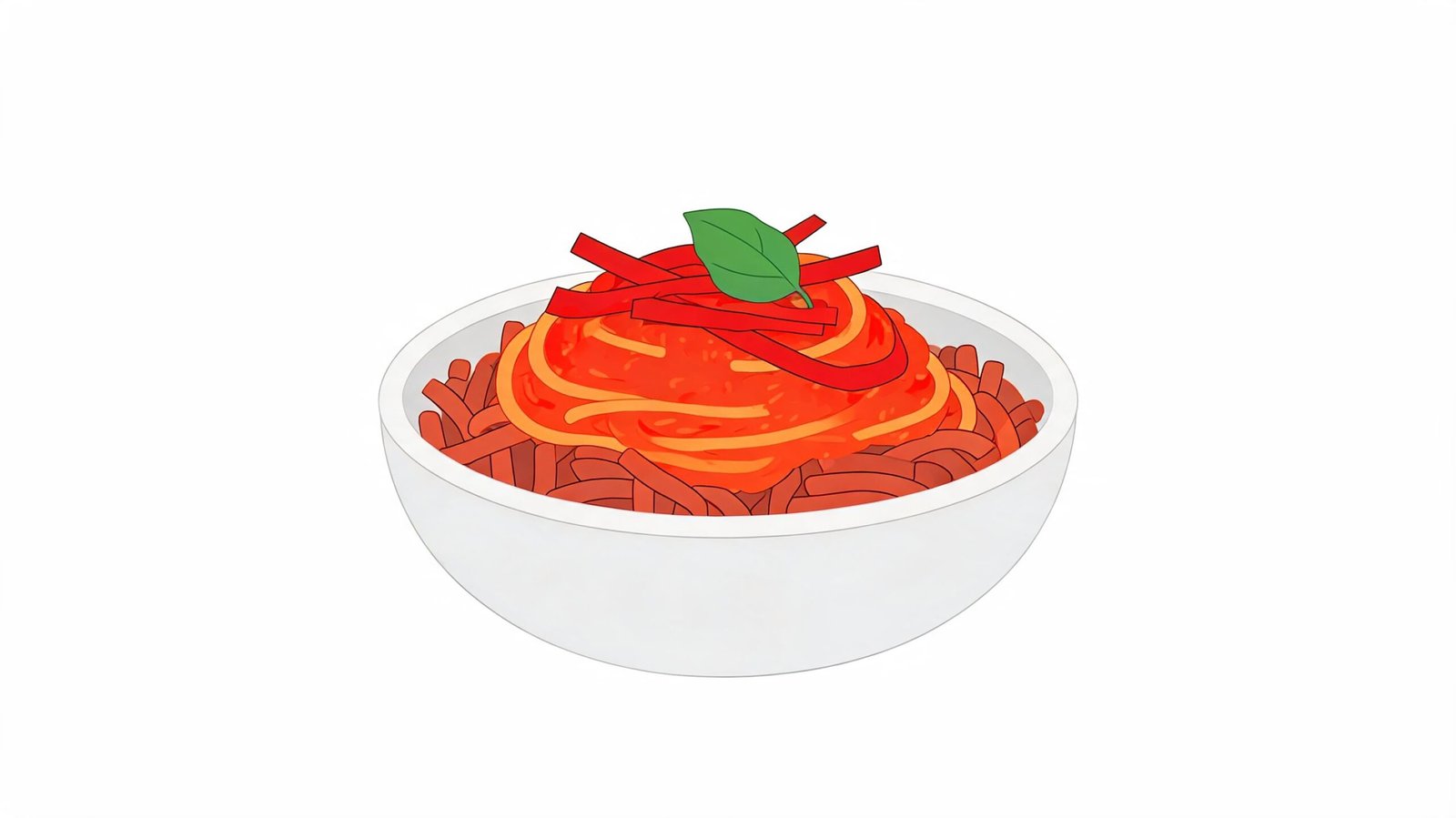
Lentil pasta is for the nights when you want a pantry meal that still feels intentional. It cooks quickly, pairs well with bold sauces, and naturally pushes the meal toward a higher-protein plant-based direction without relying on cheese or cream.
The sauce matters a lot here. Roasted red pepper blended with tomato, garlic, and herbs gives you a creamy feel without using an actual creamy ingredient.
What works and what doesn't with legume pasta
Legume pasta can go from pleasantly firm to mushy faster than traditional wheat pasta. Follow the package timing closely and taste early. Rinsing isn't usually necessary, but tossing it promptly with sauce helps prevent sticking.
Roasted red pepper smooths out some of the earthy notes that lentil pasta can have. Add spinach or kale near the end if you want more color and bulk, but don't overcrowd the pan to the point the sauce turns watery.
A few practical notes:
- Roast peppers ahead of time: Freeze portions so weeknight cooking stays fast.
- Blend until smooth: Texture is what makes this feel comforting.
- Season assertively: Lentil pasta likes garlic, herbs, and pepper.
This is a smart photo-log meal in PlateBird if the sauce and pasta are clearly plated. If you batch it, text logging becomes easier because the formula barely changes. Try “lentil pasta + red pepper tomato sauce” as your saved base entry and add greens if you include them often.
The trade-off is flavor expectation. If you're craving classic semolina pasta, lentil pasta won't mimic it perfectly. But in the right sauce, it doesn't need to. It becomes its own good meal rather than a substitute trying too hard to disappear.
8. Baked Cod or Halibut Pasta with Herb Crust and Tomato Sauce
White fish pasta doesn't show up often in home kitchens, which is a shame. Cod and halibut are mild, lean, and easy to pair with tomato-based sauces when you want something lighter than a creamy seafood pasta.
Baking is what keeps this dish practical. Pan-frying fish for pasta often leads people to use more oil than planned, and the stovetop splatter makes it feel like a special occasion meal instead of a realistic weeknight dinner.
Why this one feels elegant without getting heavy
A light herb crust made with whole grain breadcrumbs, dried herbs, and egg white gives the fish texture without dragging it into fried territory. Baked over tomato sauce and served with whole wheat pasta, it tastes polished but still clean.
Use even-thickness fillets so the fish cooks uniformly. Bake until it flakes easily, then serve in large pieces over the pasta instead of breaking it up too early. That way the plate still looks like a composed meal instead of fish mixed into sauce.
Keep the breadcrumb layer thin. The crust should add texture, not dominate the fish.
A few details make the difference:
- Choose a bright tomato sauce: Fish needs acidity more than richness here.
- Use dried dill, parsley, or thyme: These herbs support white fish without overpowering it.
- Bake, then plate carefully: Intact pieces feel more substantial and satisfying.
For PlateBird, text logging works best. Enter “baked cod fillet + whole wheat pasta + tomato sauce” or swap halibut if that's what you used. If this becomes part of your regular dinner rotation, save it as a reusable shortcut because the components are consistent and easy to repeat.
This is one of the most underrated low fat pasta dishes recipes for anyone who wants variety beyond chicken and turkey. It feels a bit more grown-up, but the method stays simple enough for a Tuesday night.
8 Low-Fat Pasta Recipes Comparison
| Dish | 🔄 Implementation complexity | 💡 Resource requirements | 📊 Expected outcomes (macros/impact) | ⭐ Ideal use cases | ⚡ Key advantages |
|---|---|---|---|---|---|
| Spaghetti Aglio e Olio with Whole Wheat Pasta | Very low, simple technique (toast garlic, emulsify) | Minimal ingredients; quality olive oil & whole‑wheat pasta recommended | 280–320 kcal; 8–10g protein; low saturated fat | Quick meal prep, simple macro tracking, vegan option (with GF pasta) | Fast, authentic flavor; low fat; easy to log |
| Whole Wheat Pasta Primavera with Seasonal Vegetables | Low–medium, more chopping and staged cooking | Requires variety of fresh seasonal vegetables; moderate prep time | 320–380 kcal; 12–14g protein; high micronutrients & fiber | High‑volume, low‑calorie meal prep; plant‑forward diets | Nutrient‑dense, filling, visually clear for photo tracking |
| Chicken Breast Pasta with Tomato-Based Marinara Sauce | Low–medium, cook chicken evenly; basic sauce work | Lean chicken breast; marinara (homemade preferred); moderate cost | 420–480 kcal; 35–38g protein; high satiety, low fat | Fitness meal prep, muscle recovery, calorie‑deficit plans | Very high protein, consistent macros, easy portioning |
| Shrimp Pasta with Garlic, Lemon, and White Wine Sauce (Low‑Fat) | Medium, timing for shrimp and wine reduction important | High‑quality shrimp; dry white wine; may be pricier; allergy risk | 340–390 kcal; 28–32g protein; good omega‑3s; low fat | Entertaining; lean seafood meal prep; low‑fat diets | Restaurant‑quality, high protein‑to‑calorie, elegant presentation |
| Turkey Meatball Whole Wheat Pasta with Arrabbiata Sauce | Medium, meatball mixing, shaping, baking required | Ground turkey; spice; oven or pan; moderate prep time | 450–510 kcal; 38–42g protein; very satiating | Batch cooking, freezer‑friendly meal prep, fitness plans | Batch‑friendly, cost‑effective, visible for photo recognition |
| Zucchini Noodle Hybrid Pasta with Lean Ground Beef Bolognese | Medium, spiralizing and water control needed | Spiralizer or prepped zoodles; lean beef; manage moisture | 340–380 kcal; 28–32g protein; significantly reduced carbs | Low‑carb/keto macros, weight‑loss protocols, customizable portions | Carb reduction, high vegetable volume, flexible macros |
| Lentil Pasta with Roasted Red Pepper and Tomato Sauce | Low–medium, roast peppers and blend sauce | Legume pasta (costlier); roasting step; some brands vary in cook time | 350–410 kcal; 15–17g protein; 7–9g fiber; lower glycemic impact | Plant‑based/vegan meal prep, gluten‑free options, sustainable menus | High plant protein & fiber, sustainable, distinctive color for recognition |
| Baked Cod or Halibut Pasta with Herb Crust and Tomato Sauce | Medium–high, careful baking to avoid dryness; crust prep | Fresh white fish (variable cost); oven; whole‑grain crumbs | 380–430 kcal; 32–36g protein; moderate omega‑3s; lean profile | Special‑occasion meals, heart‑health programs, protein‑forward diets | High protein‑to‑fat ratio, impressive presentation, supports cardiovascular health |
Turn Your Kitchen into a Low-Fat Pasta Powerhouse
A weeknight version of this usually looks the same. You want pasta, you want it to taste good, and you do not want to blow up the calories with a loose pour of oil, a heavy hand with cheese, or a sauce that hides more fat than flavor. The fix is not giving up pasta. The fix is building bowls that get their punch from garlic, lemon, tomato, broth, herbs, chili, roasted vegetables, and proper cooking.
Low-fat pasta only works if the bowl still feels complete. Cut the fat too hard without adding acid, texture, or enough protein, and dinner turns into a meal you tolerate once and never make again. Home cooks rarely abandon a plan because they lack willpower. They stop repeating meals that leave them hungry an hour later.
That is the trade-off worth respecting in your kitchen. A lighter pasta can support fat loss, better macro control, and easier weeknight cooking, but only if it stays satisfying enough to earn a spot in your real rotation.
PlateBird closes the gap between cooking a smart meal and tracking it consistently. I use text logging for bowls with stable ingredients and portions, like chicken marinara, turkey meatballs with arrabbiata, or cod pasta with tomato sauce. I use photo logging for mixed bowls where the visual makeup tells the story faster, like primavera loaded with vegetables or a lentil pasta with greens, herbs, and roasted peppers on top. Once a recipe is dialed in, save it as a one-tap shortcut so the next bowl takes seconds to log.
Three habits make the biggest difference:
- Measure the fat source: Oil, pesto, cheese, and creamy add-ins can shift the meal fast, even when the pasta itself is light.
- Choose one repeatable base: Whole wheat spaghetti, penne, lentil pasta, or a pasta-zucchini hybrid all work well when you keep portions consistent.
- Save your standard versions in PlateBird: One-tap shortcuts remove guesswork on busy nights and make meal prep much easier to stick with.
A good low-fat pasta routine needs structure, not rigidity. Keep one tomato sauce, one lean protein, one vegetable-forward option, and one pantry pasta in regular use. That gives you enough range to avoid boredom and enough consistency to cook and log without friction.
And if you want one extra kitchen tool for lighter cooking methods, this Best food steamer NZ guide may give you ideas for easy vegetable prep to pair with your pasta routine.
Pick one recipe from this list, cook it once with clear portions, and log it in PlateBird as soon as you plate it. Save the version you would make again. That is how healthy eating gets easier. Good meals repeated beat perfect meals imagined.
PlateBird makes these pasta meals easier to stick with because it turns tracking into part of cooking instead of a separate chore. Type what you ate, snap a photo when the bowl is loaded, save your go-to recipes as shortcuts, and keep your low-fat pasta routine consistent without slowing down your day. Try PlateBird and make “cook, log, done” your new default.